
Last updated November 16, 2026
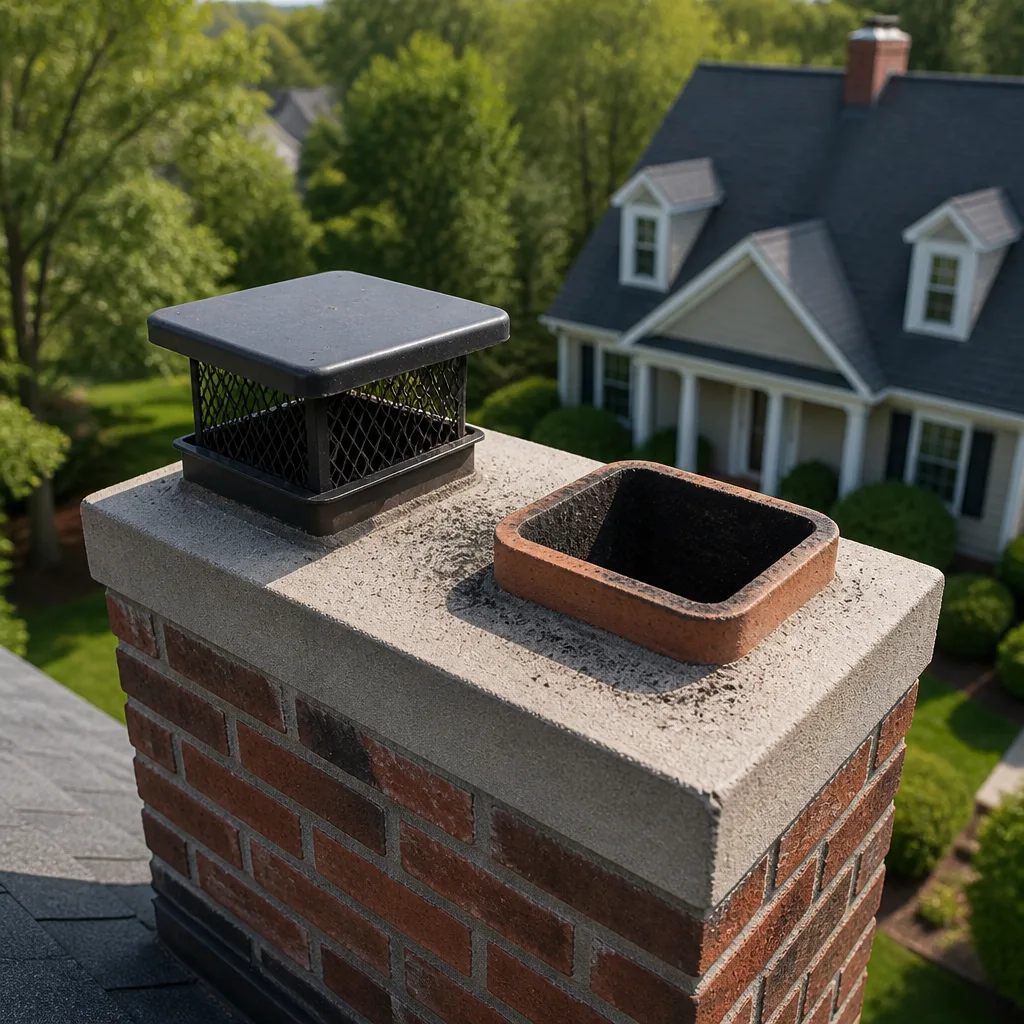 Sweep & inspection
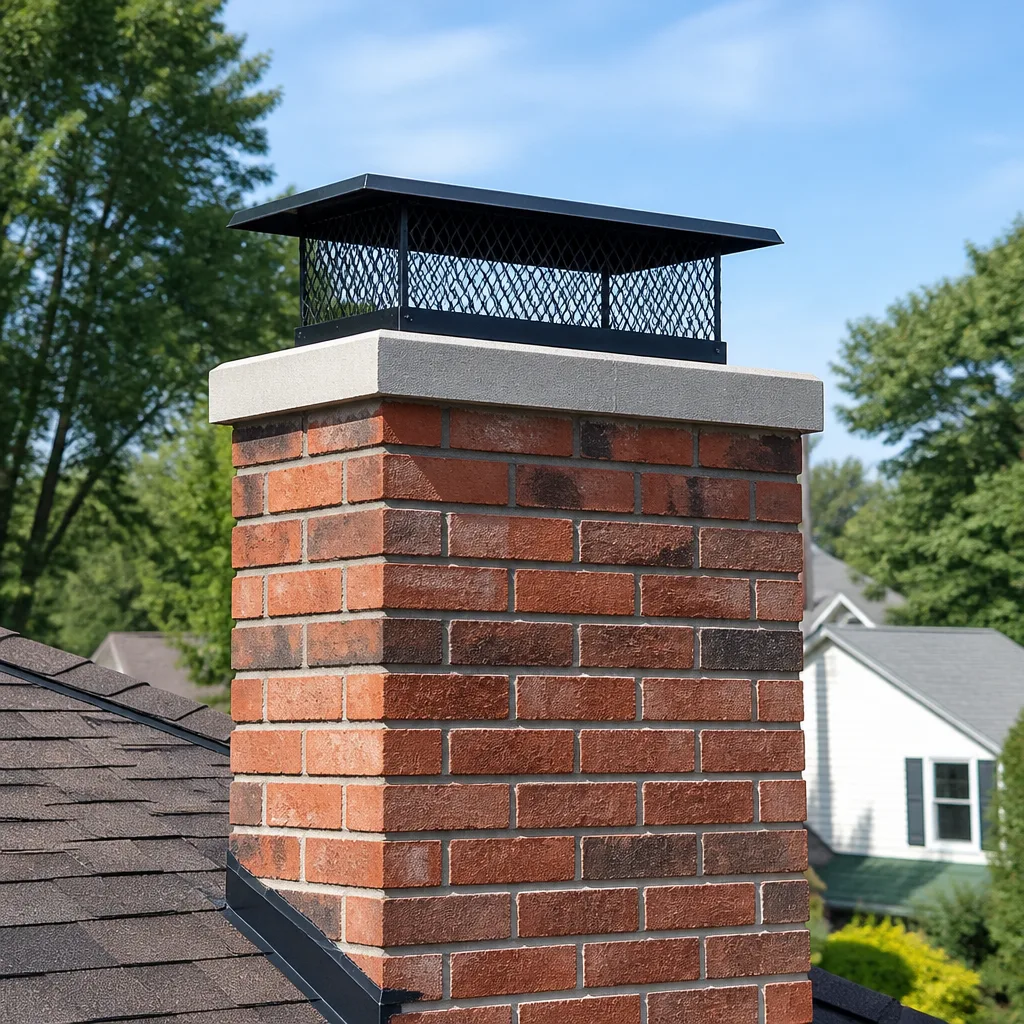 Caps & crowns
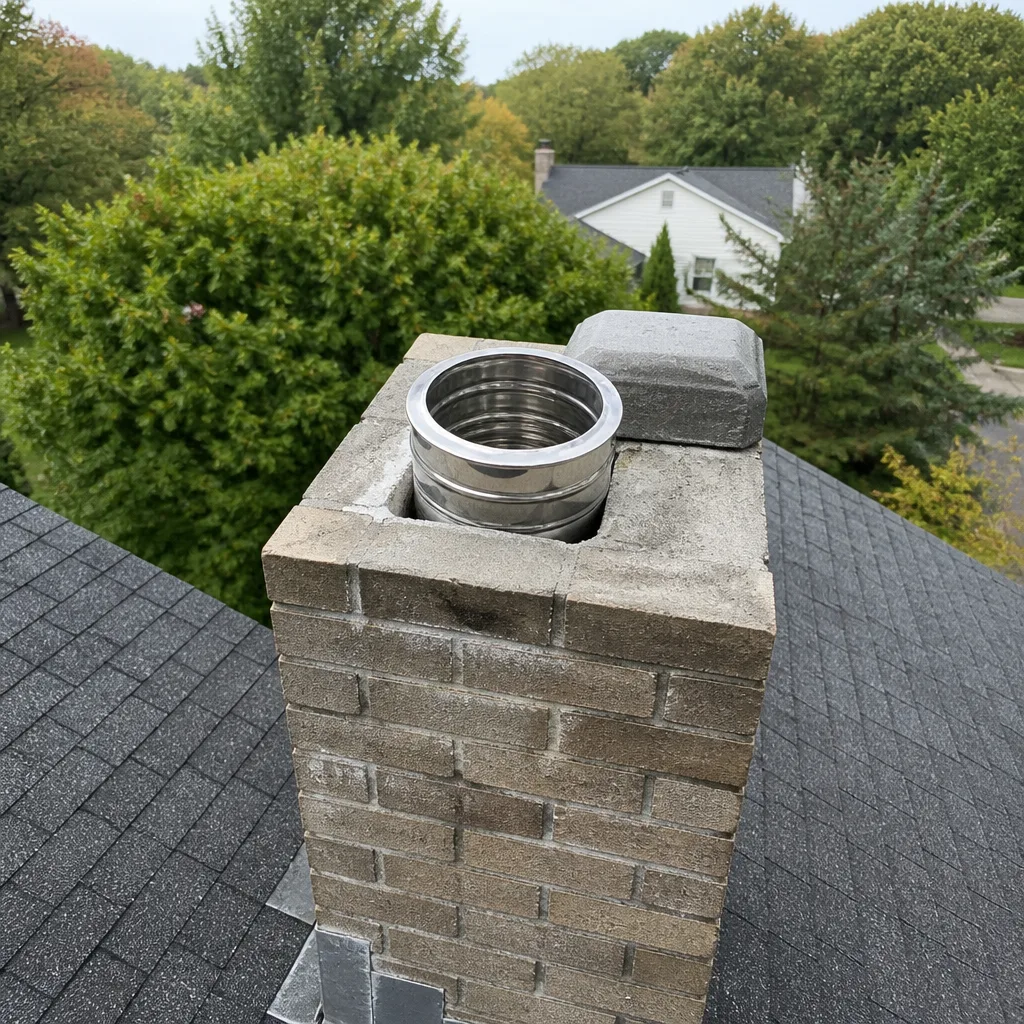 Flue relining
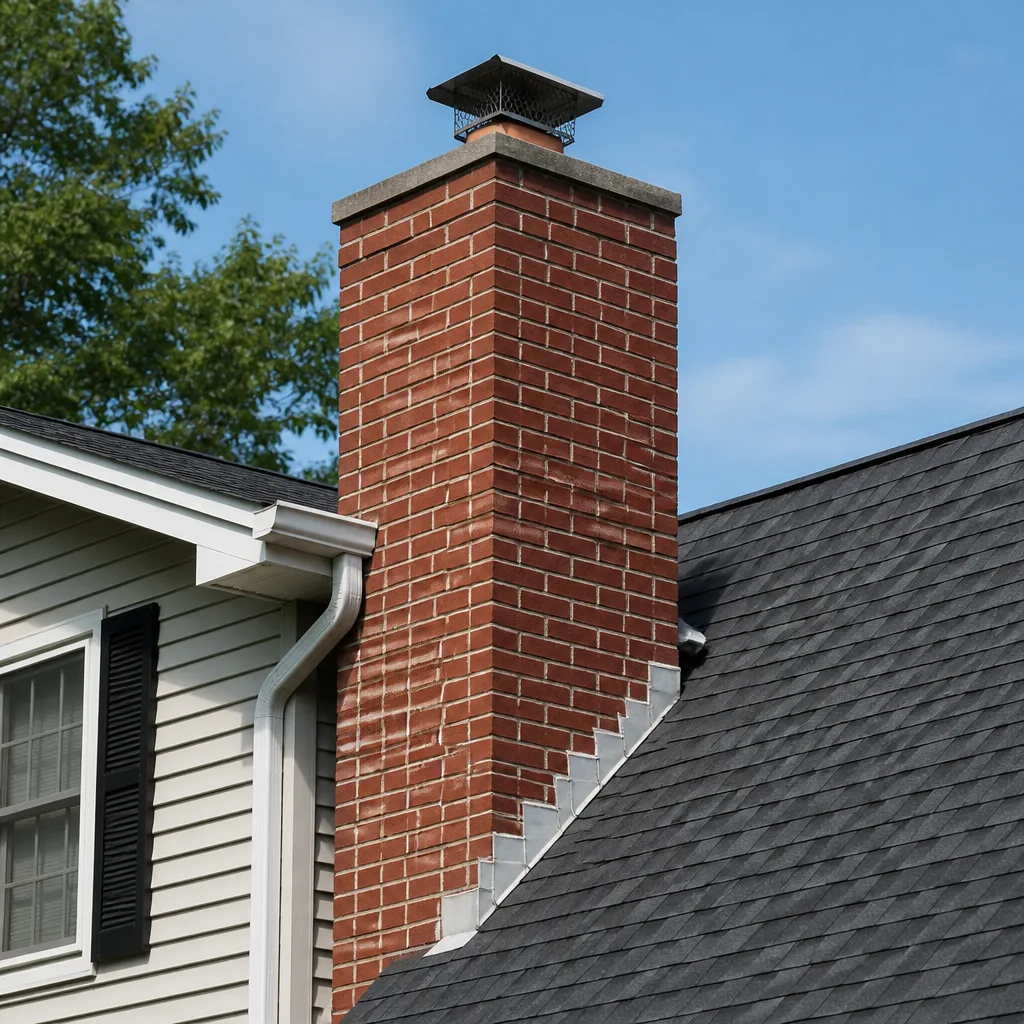 Masonry repair
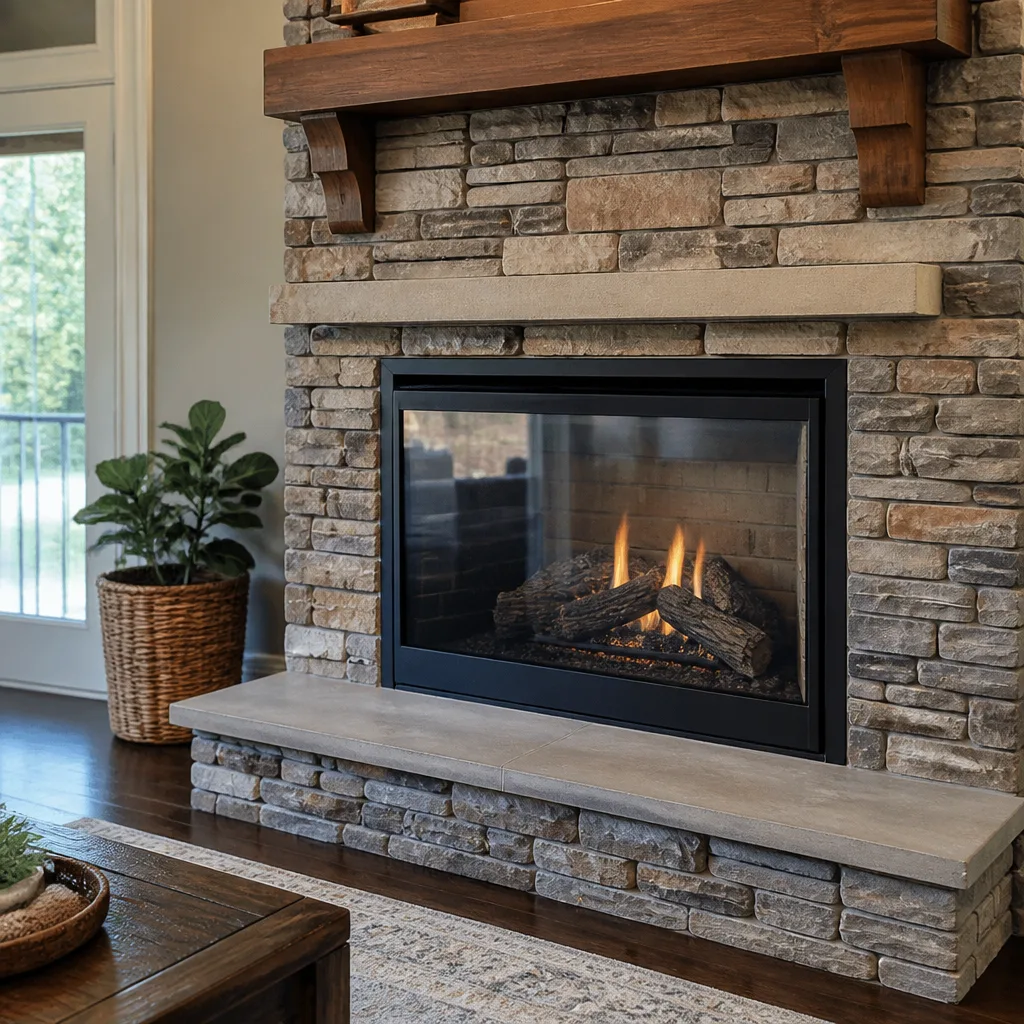 Gas fireplace service
Level 1 sweep and inspection to the NFPA 211 annual standard - flue, crown, cap, and flashing checked and photographed
Chimney sweep logs do not sweep chimneys. They loosen some creosote - which then falls where a brush and vacuum still have to collect it.
Choosing the Right Chimney Cleaning Brand: A Buyer’s Guide for Miramar
Most homeowners in Miramar never ask what brand goes into their chimney. They ask what it costs, and then they stop asking. That’s the wrong question first. The materials behind a sweep matter more than the invoice line, because the cap, liner, crown, and damper decide how long the work lasts in South Florida’s rain, humidity, and sun. A thin galvanized cap and a stainless one look similar on day one and look very different a few years later. In this guide, we name the professional-grade product lines that hold up in Miramar’s climate, explain what each one actually does, and show you how to tell whether the crew in your driveway is installing real materials or catalog substitutes.
Quick Answer
The right chimney brand in Miramar is the brand your sweep can name, explain, and show a spec sheet for. For caps, stainless products such as Gelco and Olympia Chimney last through humid South Florida air far better than galvanized generics. For flue repair, ceramic resurfacing systems like HeatShield restore a damaged liner without full replacement, while flexible stainless systems such as DuraFlex handle relining. The test of a contractor isn’t the logo. It’s whether they know which product fits your chimney type, and whether they install it themselves rather than ordering it from a supply house they’ve never seen.
Styles & brands we work with
- Sweep & inspection
- Caps & crowns
- Flue relining
- Masonry repair
- Gas fireplace service
Table of Contents
- Why the Brand Inside Your Chimney Matters in Miramar
- Chimney Caps: Stainless vs. Galvanized (and What Lasts Here)
- Flue Liners: Repair Systems vs. Full Relining
- Crown Coats: Product-Specific vs. Field-Mixed Concrete
- Dampers: Top-Mount vs. Throat Dampers in Miramar
- How to Ask Your Sweep What Brand They’re Installing
- Common Mistakes to Avoid
- When to Call a Professional
- Frequently Asked Questions
Why the Brand Inside Your Chimney Matters in Miramar
Miramar’s climate puts two kinds of pressure on a chimney that colder parts of the country don’t hit as hard. The first is moisture. Long rainy seasons and year-round humidity find any gap in a cap, crown, or joint. The second is sun. UV exposure breaks down caulks, sealants, and waterproof coatings over time. A chimney component that’s fine in a dry, cold climate can fail years faster here if it’s the wrong material grade.
That’s why the brand matters. Different product lines use different substrates, coatings, and warranties. A stainless cap from Gelco or Olympia Chimney handles moisture and sun far better than a thin galvanized unit that’s only rated for a few seasons. A ceramic flue restoration system like HeatShield bonds to the flue structure and then resists moisture absorption, while a generic patch compound might not hold through a full rainy season.
Miracle-materials marketing is real, so we recommend verifying product names. Contractors who install professional brands will give you a spec sheet, a model name, and a warranty in writing. Contractors who can’t are either using substitutes or guessing.
When you see a vendor list this specific, you’re reading a company that stocks and installs the products, not one that orders generic parts from an online catalog. For full-service work in Miramar, that distinction changes how the whole job gets done.
What “Professional-Grade” Actually Means
- Named product lines. The contractor can tell you the brand and product, not a generic “stainless cap.”
- Manufacturer-installed warranty. Some warranties only apply when the product is specified by a trained installer.
- Specifications matched to your chimney. Flue size, appliance type, and material grade all matter for fit.
- Stocked by the installer. A cap or damper that needs to be ordered means another visit, another call, and more down time.
Chimney Caps: Stainless vs. Galvanized (and What Lasts Here)
Chimney caps are the most replaced chimney component, and the one homeowners are most likely to have installed by whoever arrives first. The material grade is what actually determines how long a cap lasts in Miramar’s humid, sun-exposed climate. Stainless caps last far longer than galvanized units and typically come with much longer warranties. Galvanized caps cost less up front but degrade faster in continuous moisture exposure, so the savings disappear by the second or third replacement.
What Makes a Cap Last in Miramar
- Material grade. Stainless steel resists rust and corrosion in humid air; galvanized steel does not hold up as long after the zinc coating wears.
- Mesh and screen thickness. Thinner screens warp in heat and let embers through.
- Fasteners. Stainless fasteners matter as much as the cap itself; ordinary screws rust and fail first.
- Fit. A cap that sits too loosely on the flue lets rain and animals in through the gap. Custom-fit caps seal the flue mouth properly.
The brands we work with most for cap replacements are Gelco and Olympia Chimney. Both are stocked and installed in-house, so a cap replacement doesn’t turn into a two-week waiting period. If you want to know how a cap fits into the larger chimney maintenance picture, our chimney sweep guide explains where cap inspections show up in a routine service.
When to Replace a Cap
- You see rust or visible degradation on the cap top.
- The screen is warped, sagging, or torn.
- Birds, squirrels, or debris are getting into the flue.
- Rainwater is reaching the damper or firebox.
- A sweep inspection flags cap damage during routine maintenance.
- The cap wasn’t there to begin with, or it’s a mismatched size.
Flue Liners: Repair Systems vs. Full Relining
The flue liner is the wall between combustion gases and the structure of your chimney. When it’s damaged, there are two paths: resurfacing an intact liner with a ceramic system, or installing a new stainless liner inside the old flue. Choosing between them isn’t a marketing decision, it’s a diagnostic one, and it depends on the liner’s size, the appliance, and how much structural damage is present.
HeatShield: When Resurfacing Fits
HeatShield is a ceramic resurfacing system used to repair flues with cracks, spalling, or thinning walls where the original liner is still structurally sound. It’s applied to the inside of the flue, bonds to the masonry, and restores the flue’s surface as a smooth, heat-resistant barrier. We’ve seen it hold up well in Miramar properties where the liner was aging but the surrounding chimney structure was still in good shape. It’s the faster repair when the liner doesn’t need full replacement.
DuraFlex and Olympia Chimney: When Relining Is Needed
When the flue is failing structurally, has excessive gaps, or the appliance requires a specific flue size, a full stainless relining is the better path. DuraFlex and Olympia Chimney flexible stainless systems are both common professional-grade options, and the manufacturer recommendation depends on your appliance and flue geometry. A relining job solves two problems at once: it restores the flue and often improves draft and performance.
How to Tell Which Job You Need
- Ask for a camera inspection of the flue interior.
- Ask the sweep for a written diagnosis: is the liner intact, spalling, or structurally compromised?
- Ask which product they recommend, and why.
- Ask whether the manufacturer requires a trained installer for the recommended product.
- Get the product name and model in writing before the work begins.
If specialty work like this turns into a larger repair, knowing how a chimney repair project gets scoped in Miramar can help you understand what the estimate will cover.
Crown Coats: Product-Specific vs. Field-Mixed Concrete
The chimney crown is the concrete cap that sits on top of the chimney, and its job is to push rain and moisture away from the flue and the masonry below. A crown that fails lets water into the structure, which is where most serious chimney damage starts. Two approaches exist: a product-specific crown coating with engineered adhesion and UV resistance, or a field-mixed concrete repair poured on site.
Why Product-Specific Crown Coat Matters Here
Field-mixed concrete cracks as it cures, and in Miramar’s climate the UV exposure and heavy rain cycles accelerate that cracking. A crown coating that’s engineered for flex and adhesion handles the temperature shifts of the South Florida sun better than ordinary mortar. If the coat doesn’t bond, the water gets in, and the crown becomes a funnel rather than a roof.
What to Look For
- Product name in writing. A contractor who says “we use a crown coat” without naming a brand is worth a second question.
- Surface prep. Both approaches require cleaning and prep before the material goes on. Ask how they prep.
- Drainage detail. The slope of the crown (which direction it pushes water) matters as much as the material.
- UV resistance. Ask directly about UV rating; the sun is harder on coating than rain is.
A crown repair is one of the repairs where “which brand” matters most, because the wrong crown coat fails silently for years before it shows. If your sweep can name the product, tell you why they chose it, and show the spec sheet, they’re using real materials.
Dampers: Top-Mount vs. Throat Dampers in Miramar
A damper is the door that seals off the chimney when the fireplace isn’t in use. Two types exist: the traditional throat damper inside the firebox, and the top-mount damper that seals at the chimney cap. For Miramar’s climate, top-mount is the better recommendation, and a contractor who doesn’t know the difference is worth a second look.
Why Top-Mount Fits South Florida Better
Throat dampers sit inside the firebox and rely on a metal-to-metal seal that corrodes and warps over time. Top-mount dampers (brands like Lyemance and Lock-Top are common professional options) sit at the top of the chimney and seal where the rain and humidity actually are. That means:
- Better sealing against rain and humid air when closed.
- Fewer cold drafts into the house when the fireplace is idle.
- Less heat loss through the chimney flue when the fire is out.
- Better performance for homes that use the fireplace seasonally, as most Miramar homes do.
How to Spot a Contractor Who Doesn’t Know
Ask one direct question: “Would you recommend a top-mount damper for this climate, and why or why not?” A contractor who works in Miramar regularly will give a clear answer about seal, humidity, and seasonal use. A contractor who deflects to “those are for chimneys that don’t get used much” or “we only install throat dampers” is telling you something about the depth of their chimney product knowledge.
If you’re already hearing the word “damper” for the first time, our Chimney Sweep Miramar page covers the whole scope of what a routine service includes.
How to Ask Your Sweep What Brand They’re Installing
A sweep who can name the brand, explain why, and show the spec sheet is using professional-grade materials. A sweep who can’t, isn’t. The good news: you don’t need to know the trade to ask the question. Here’s the script we recommend to every Miramar homeowner.
Acceptable Answers Sound Like This
- “The cap we recommend is a stainless Gelco unit, and here’s the spec sheet.”
- “If the flue is spalling but structurally intact, we’d use HeatShield resurfacing.”
- “For this flue size and appliance, we’d install a DuraFlex liner; here’s why.”
- “We carry Olympia Chimney dampers because of X, Y, and Z.”
Evasive Answers Sound Like This
- “We use the best materials on the market.” (No brand, no spec.)
- “Whatever the supplier has in stock that week.” (No commitment to quality.)
- “You don’t need to know the brand, we handle all of that.” (You do need to know.)
- “Stainless is stainless.” (It isn’t. Grade, thickness, and fastener quality all matter.)
The Question Sequence
- “What brand of cap, liner, crown coat, or damper are you recommending for my chimney?”
- “Can you show me the product name and model number in writing?”
- “What’s the warranty, and is it manufacturer-backed?”
- “Are you installing it yourself, or ordering it from a third party?”
- “What’s the failure mode you’re trying to prevent with this product?”
Five questions, five answers, and you know whether you’re working with a specialist. When we quote a chimney job in Miramar, we’re happy to answer all five on the first visit, because we install the products ourselves.
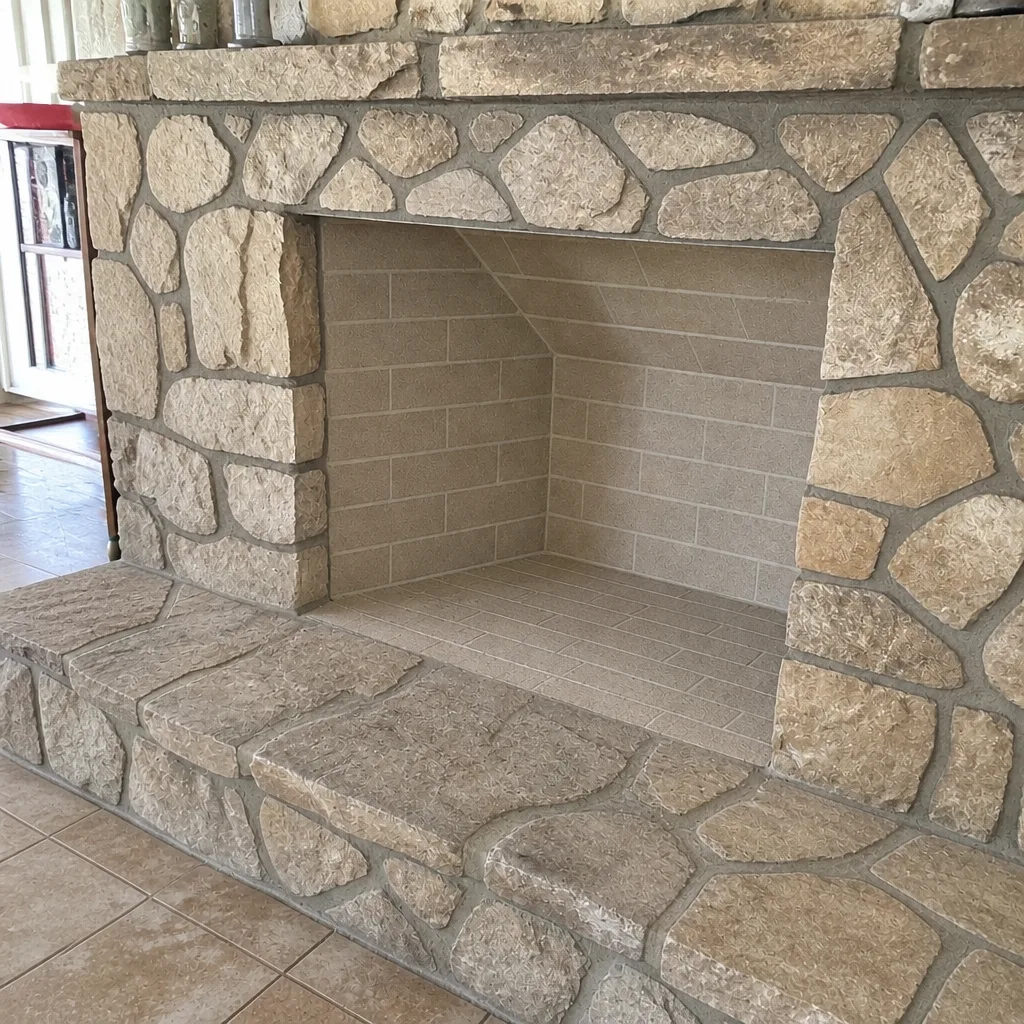
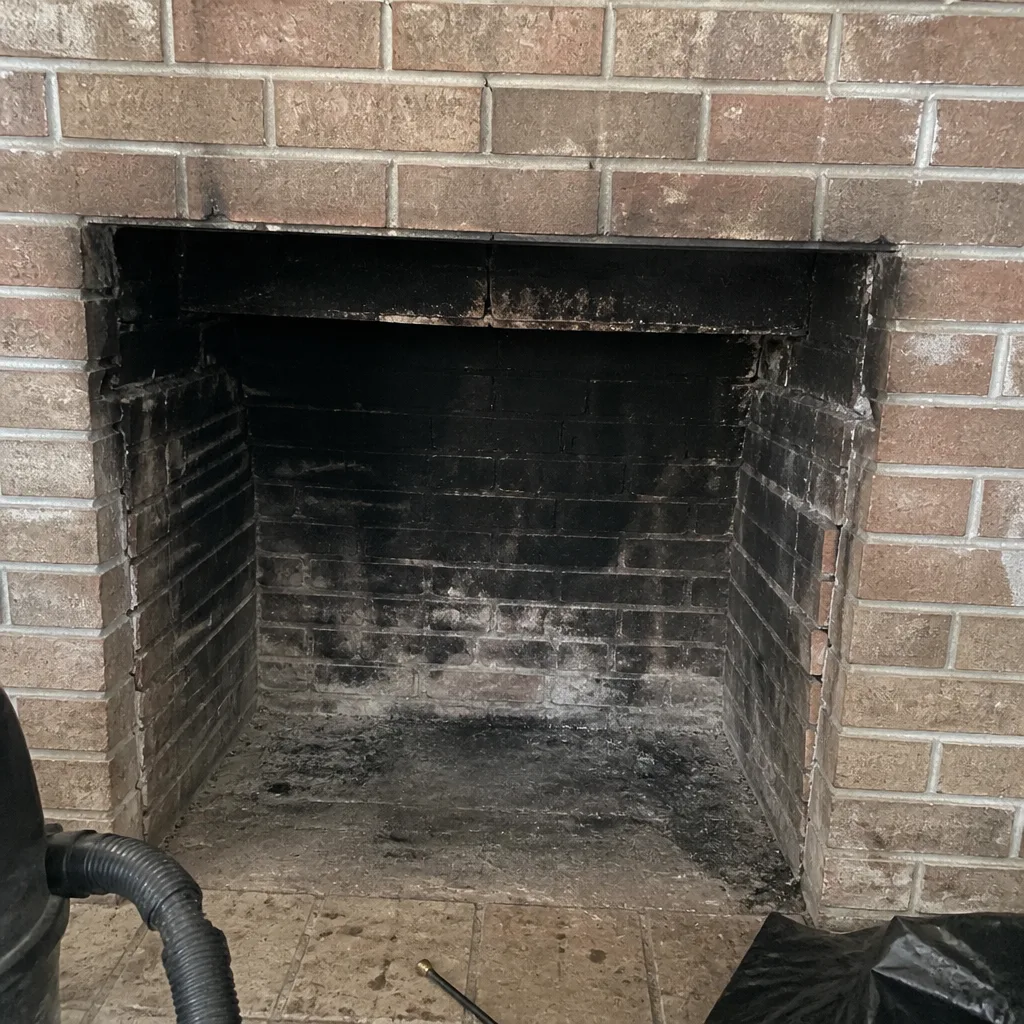
See the difference
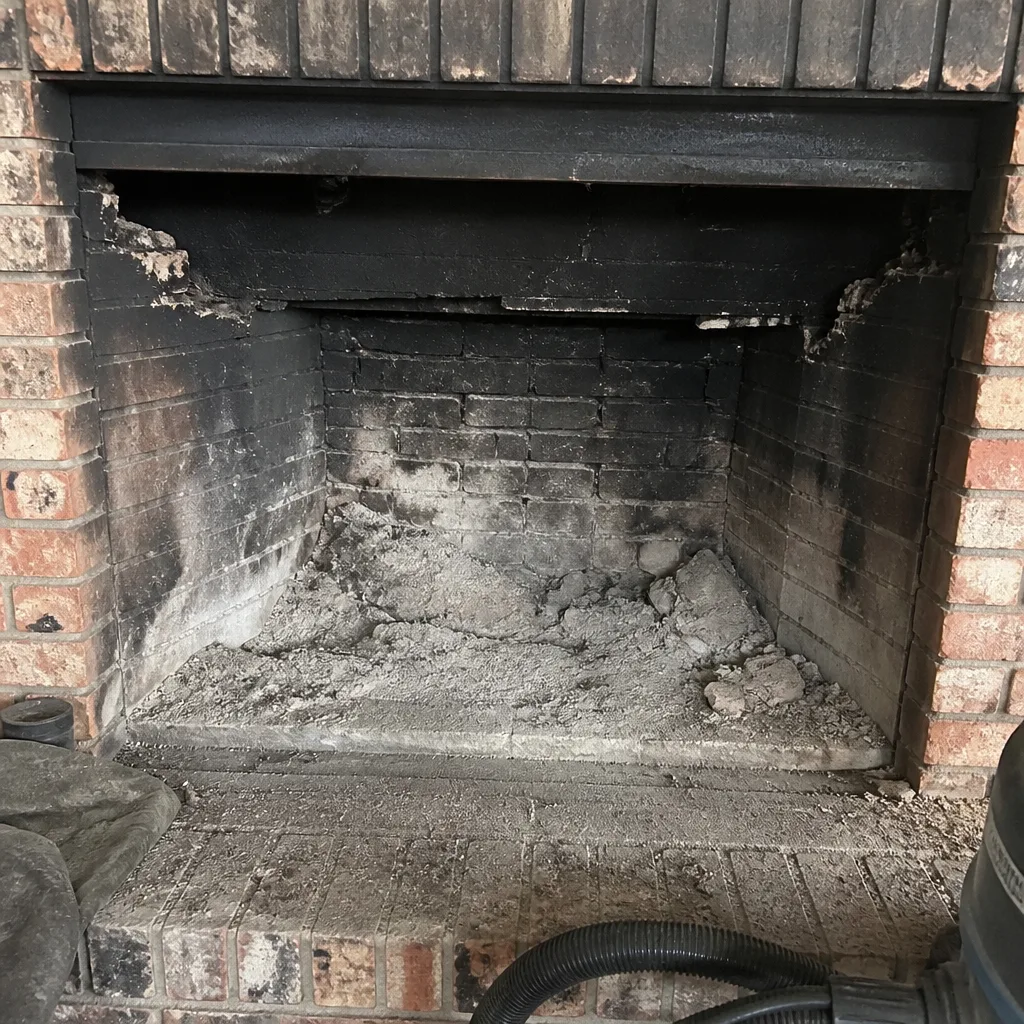 Before
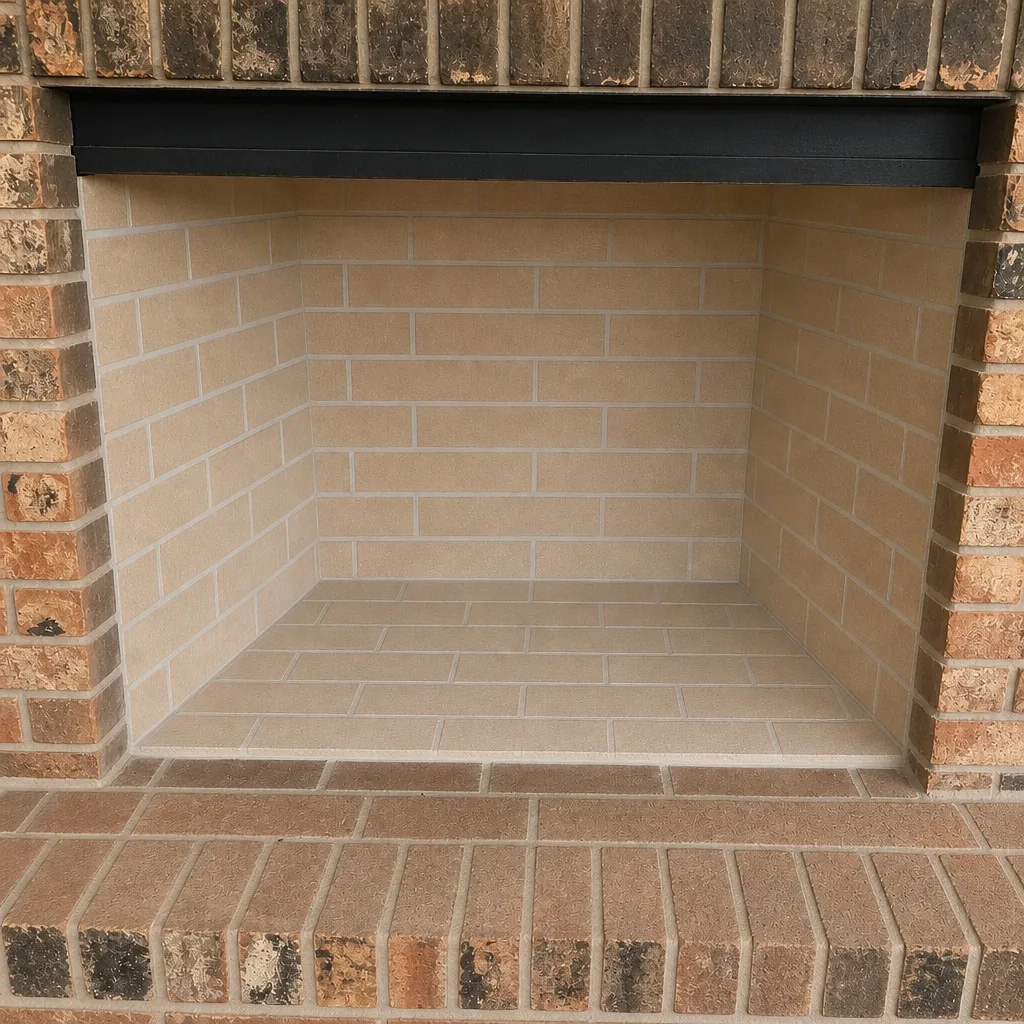 After
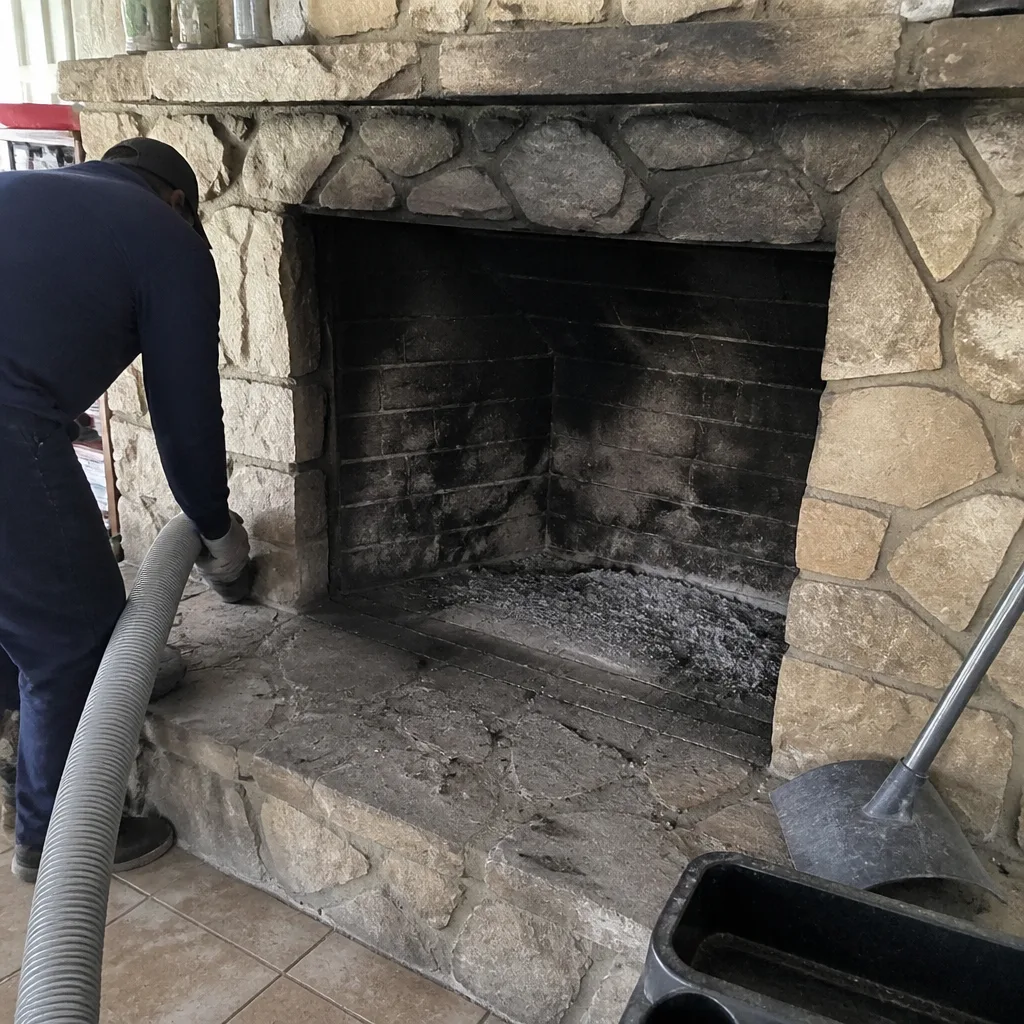 Before
 After
 Before
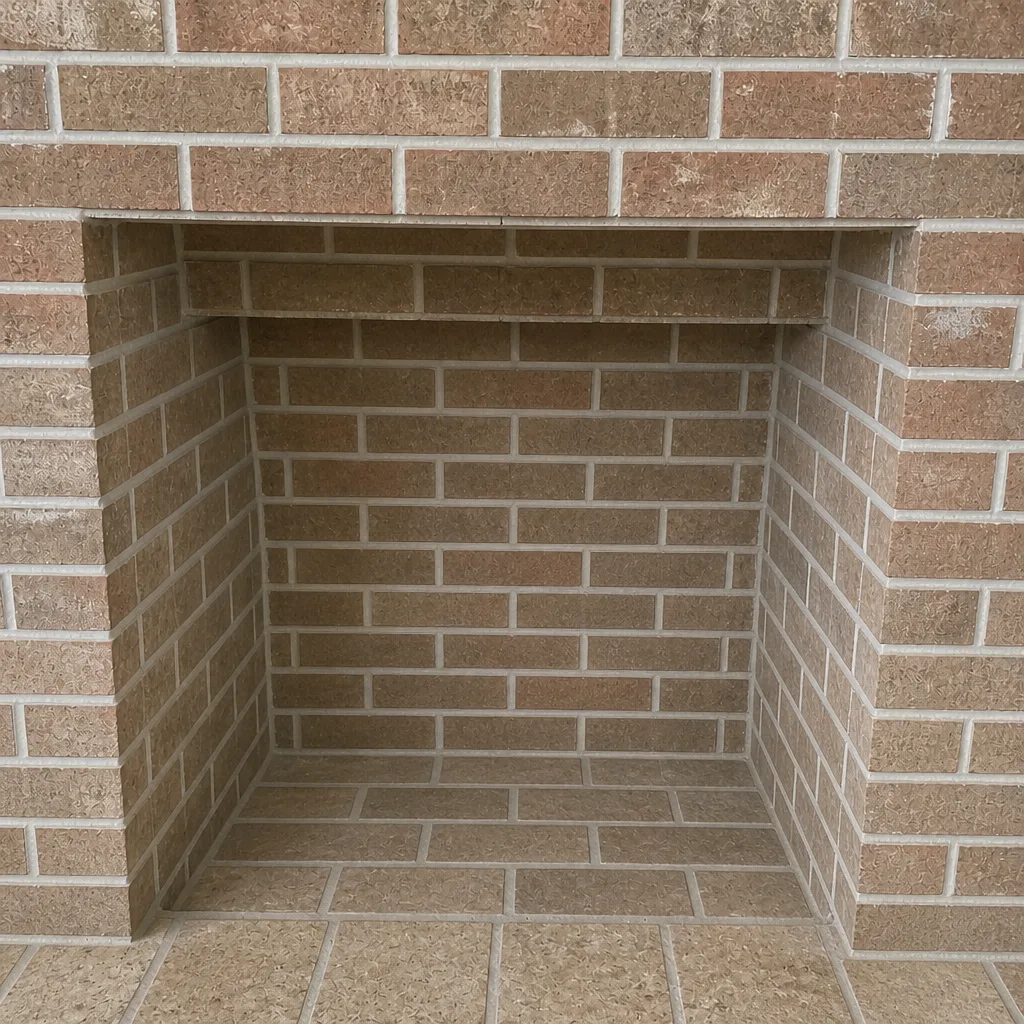 After
Common Mistakes to Avoid
- Choosing on price alone. A cheap galvanized cap that fails in a few years costs more over the life of the chimney than a stainless one that lasts.
- Accepting “heavy-duty” or “commercial grade” without a brand name. Those terms mean nothing without a product name attached. Ask for the spec sheet.
- Letting a handyman do liner work. HeatShield and professional relining systems require trained installers. Ordinary construction experience isn’t the same thing.
- Skipping the camera inspection. Any recommendation without a camera diagnosis is a guess. Ask to see what’s inside the flue.
- Letting a mismatched cap stay on after a sweep inspection. A loose or wrong-size cap is a rain and animal entry point, no matter how good the cap is.
- Assuming the biggest brand wins. The right product depends on your appliance, flue geometry, and material grade. There’s no universal winner.
- Ignoring the crown because the flue “looks fine.” Most serious chimney water damage starts with a cracked or well-worn crown. It’s cheap to fix early and expensive to fix late.
When to Call a Professional
Call a professional when your flue has visible damage, when the cap or crown is cracked or missing, when water is reaching the firebox, or when smoke is backing up into the room during use. Call immediately if you smell a strong odor from the fireplace during warm weather, or if you haven’t had the chimney inspected since you moved into the home. Depending on age and material, some chimneys need inspection more often than others; a professional can tell you which. Chimney Sweep Miramar offers free estimates in Miramar – call (866) 942-9444. We install the specialty products ourselves, so the diagnosis and the material solution come from the same visit.
Frequently Asked Questions
Stainless steel caps from brands like Gelco and Olympia Chimney are the better fit for Miramar’s humid, sun-exposed climate because they resist rust and degradation far longer than galvanized units. The right cap for your chimney depends on the flue size, appliance type, and how much UV exposure the cap will see. Call (866) 942-9444 for an exact recommendation on your chimney.
A routine chimney sweep is typically priced per job by written estimate, and the final price is set after the sweep reviews your chimney’s condition. What’s included in the estimate and what might add to it (caps, liner work, crown repairs) are spelled out in writing. Call (866) 942-9444 for a free estimate on your specific job.
HeatShield ceramic resurfacing is appropriate when the existing liner is spalling or cracking but still structurally sound. When the liner has excessive gaps, structural failure, or the appliance requires a different flue size, a full stainless relining with a system like DuraFlex is the correct fix. A camera inspection of the flue is what tells the difference. Call (866) 942-9444 to schedule an inspection.
Most wood-burning chimneys should be swept when there’s roughly a quarter-inch of creosote buildup on the flue walls, and inspected more often than swept. In Miramar’s climate, use patterns vary widely, so it’s worth asking a professional what interval fits your fireplace. Call (866) 942-9444 to book a sweep and get a specific answer for your setup.
Skipping a sweep lets creosote buildup slow the draft and raises the risk of a chimney fire, especially when the firebox is used seasonally after a long gap. Caps and crowns also degrade silently in South Florida’s sun and rain while the flue looks fine from inside. The fix is a camera inspection and a professional sweep. Call (866) 942-9444 for a free estimate.
Top-mount dampers are the better fit for Miramar’s climate because they seal at the cap, where rain and humidity actually enter, and they hold a seal longer than throat dampers. Brands like Lyemance and Lock-Top are common professional options. Ask your sweep directly which one they recommend and why. Call (866) 942-9444 to talk through your setup.
The Bottom Line
The brand inside your chimney is what actually protects your home and your investment. A stainless cap from Gelco or Olympia Chimney lasts far longer than a galvanized unit in Miramar’s climate. HeatShield ceramic resurfacing fits a structurally sound liner; DuraFlex handles full relining. Crown coats need a named product that bonds and resists UV. Top-mount dampers are the right call for South Florida homes. Ask your sweep to name the brand, show the spec sheet, and explain the choice. If they can’t, that’s your signal to call a specialist.
Get a Free Chimney Estimate in Miramar
If you’ve read this far, you already know the questions to ask. Now you can put them to a team that has real answers. Chimney Sweep Miramar provides chimney sweeping, chimney inspection, and chimney repair under one roof, with professional-grade brands like DuraFlex, HeatShield, Gelco, Olympia Chimney, Famco, and Copperfield. Call (866) 942-9444 for a free estimate. We answer 24/7. Fast dispatch from 7am to 7pm, Sunday through Friday. Estimates are free and the final price is set per job by the written estimate.
Written by the team at Chimney Sweep Miramar.