
Last updated November 16, 2026
 Sweep & inspection
 Caps & crowns
 Flue relining
 Masonry repair
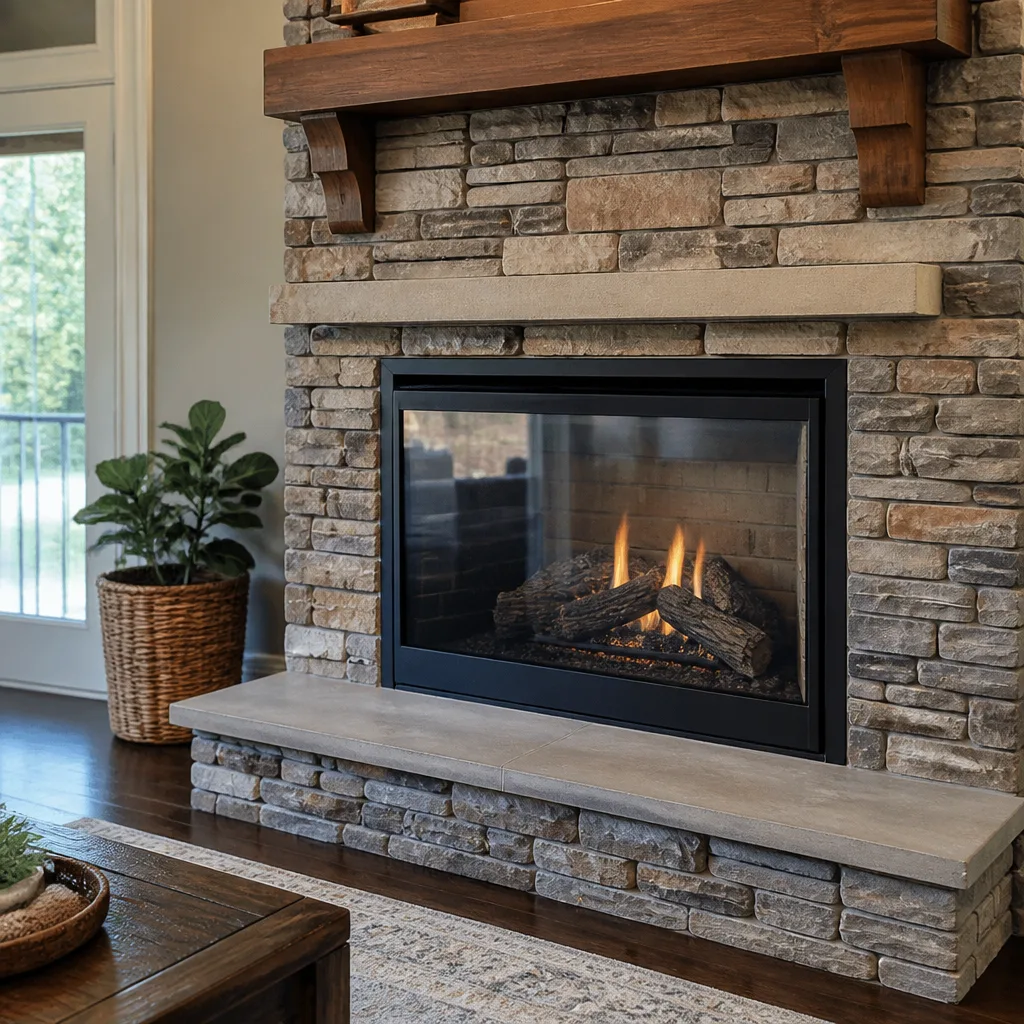 Gas fireplace service
Level 1 sweep and inspection to the NFPA 211 annual standard - flue, crown, cap, and flashing checked and photographed
Chimney sweep logs do not sweep chimneys. They loosen some creosote - which then falls where a brush and vacuum still have to collect it.
The Complete Guide to Chimney Cleaning in Miramar
Most Miramar homeowners light their fireplace fewer than fifteen times a year. That low count feels reassuring, like a chimney that barely gets used can’t have much wrong with it. The opposite is usually true. A chimney that sits idle for ten months accumulates moisture, nests, and a wet, sticky form of creosote that a hot, frequently used flue would have burned off. In South Florida’s humid air, that buildup never fully dries. By the time you notice a draft, a smell, or a stain, the problem has been working quietly for a season or two. This guide maps what’s actually inside a Miramar chimney, why it degrades the way it does here, and exactly what a proper cleaning involves from flue to crown.
Quick Answer
Chimney cleaning in Miramar means removing creosote, soot, and blockages from the flue and firebox, then inspecting the chimney for cracks, liner damage, and cap failure caused by humidity and pest intrusion. Most homes need a professional sweep and a Level 1 inspection once a year, even if the fireplace sees light use, because South Florida humidity lets creosote stay wet and pests move in between seasons. A proper visit covers the flue, firebox, damper, cap, and crown, and ends with a clear report of what was found.
Styles & brands we work with
- Sweep & inspection
- Caps & crowns
- Flue relining
- Masonry repair
- Gas fireplace service
Table of Contents
- Why South Florida Humidity Changes Creosote Formation
- What Actually Blocks a Miramar Chimney
- Level 1 vs Level 2 Inspections: Which Do You Need?
- Why Gas Fireplace Flues Still Need Annual Cleaning
- What a Professional Cleaning Visit Involves, Step by Step
- The Three Degrees of Creosote and What Each Means
- Caps, Crowns, and the Top of the Chimney
- How Often Should a Miramar Chimney Be Cleaned?
Why South Florida Humidity Changes Creosote Formation
Creosote forms the same way everywhere: wood smoke cools as it rises, and the unburned compounds in that smoke condense on the flue walls. What differs in Miramar is what happens to that deposit after it lands. In a dry climate, first-degree creosote cures into a flaky, brittle coating that brushes off cleanly. In Miramar’s humid air, it stays soft, wet, and adhesive. It grabs soot and holds it. It doesn’t flake. It smears.
That wetter first-degree creosote is harder to remove with a standard pass, and it sets the stage for the more serious stages. The ambient moisture in the flue never fully leaves between burns, so the deposit keeps absorbing water from the air on every humid day. Over a summer, a thin film of creosote can turn into a thick, gummy layer.
There’s a second effect. Humidity also keeps the masonry itself damp. Brick and mortar are porous, and a chimney that faces frequent rain and near-saturation air holds water in its pores. That moisture drives the slow deterioration that turns hairline cracks in the flue into real gaps. It’s also why a chimney in Miramar can look fine from the firebox and still be failing at the flue or crown.
What this means for cleaning is simple. A sweep here isn’t a quick brush-and-go. The technician has to account for sticky deposits, check for moisture damage while working, and inspect the liner and cap before signing off. Our technicians have up to 11 years of experience, and the difference between a thorough pass and a rushed one shows up most clearly in humid climates.
What Actually Blocks a Miramar Chimney
Blockages in a Miramar chimney rarely come from soot alone. The climate and the surrounding vegetation produce a specific set of intruders and debris that generic chimney guides don’t cover. A deteriorated cap is usually the entry point.
The most common culprits we find:
- Spanish moss and airborne seed. Live oak canopy is common across Miramar, and Spanish moss and wind-borne seeds blow onto roofs and collect around the cap. Once a cap is loose or cracked, that material works its way into the flue.
- Palmetto bugs and other insects. Roaches move into the cool, dark flue between seasons, especially when a fireplace sits idle. Their remains and debris can collect at the damper or on the smoke shelf.
- Squirrels and nesting wildlife. A missing or damaged cap is an open door. Squirrels, birds, and other small animals build nests that pack into the flue and restrict the draft year after year.
- Tropical vine intrusion. Vines and creeper roots reach for chimney seams and the gaps around a failing crown. Roots push mortar joints open and creep into the flue.
- Leaf litter and roof debris. Heavy summer rain washes leaves and roof grit toward the chimney, and a compromised cap lets them collect inside.
Each of these blocks the flue and does something worse than restriction: it changes how the chimney draws. A wood-burning appliance that can’t vent properly sends smoke back into the room and can push combustion byproducts the wrong direction. That’s a safety issue, not just a smell. A blocked flue is one of the reasons an annual sweep and inspection matters even in a home that barely uses its fireplace.
Level 1 vs Level 2 Inspections: Which Do You Need?
A chimney inspection and a chimney cleaning are separate jobs, and they come in levels. Most Miramar homes only ever need a Level 1, but there are specific triggers that call for a Level 2, and knowing the difference keeps you from paying for a scan you don’t need, or skipping one you do.
Level 1 Inspection
A Level 1 inspection covers every part of the chimney that’s visible and accessible without tools or access panels. The technician checks the firebox, damper, smoke chamber, flue from the firebox up, and the visible exterior, including the cap and crown. This is the standard inspection that goes with an annual sweep. It’s appropriate when the chimney has had no changes, no known problems, and no change in fuel type.
Level 2 Inspection
A Level 2 inspection adds a video scan of the flue interior and access to parts of the chimney that a Level 1 can’t see. It’s the level you need when something has changed: a new appliance, a fuel-type switch, a chimney fire, a moved or replaced liner, a property sale, or a visible sign of damage like a crack, stain, or draft problem. In Miramar’s humid climate, a Level 2 is also the right call when a Level 1 turns up signs that moisture has reached the flue interior.
The decision comes down to this: choose Level 1 for routine yearly upkeep on an unchanged chimney. Choose Level 2 when there’s a reason to see the inside of the flue, not just the visible surfaces. We show you what a scan reveals in plain language before recommending any repair, so you can see the evidence yourself rather than take our word for it. If you’d like to understand the repair side of that conversation, our chimney repair page walks through the common fixes and what each one involves.
Why Gas Fireplace Flues Still Need Annual Cleaning
It surprises people. A gas fireplace doesn’t burn wood, so there’s no creosote, so why clean it? Because combustion byproducts don’t stop existing when you switch fuels. A gas fireplace produces water vapor, and it can produce trace amounts of residue that coat the flue and venting over time. In a humid climate, that moisture-laden exhaust is even more of a problem.
Here’s what a gas flue is up against in Miramar:
- Moisture deposition. Gas exhaust is heavy with water vapor. It condenses on cooler flue walls, and that standing moisture invites corrosion and deterioration.
- Debris and pest intrusion. A gas fireplace flue is still an opening in your roof. Palmetto bugs, squirrels, and blown-in debris get in through a bad cap the same way they do on a wood flue.
- Nest and blockage buildup. A blocked gas flue is no safer than a blocked wood flue. It needs to vent, and an obstruction defeats that.
- Venting corrosion. Moisture combined with years of gas exhaust can degrade metal venting, which an annual inspection catches early.
So the answer to “does my gas fireplace really need cleaning” is yes, yearly, for the same reasons a wood flue does: blockages, moisture, and venting integrity. The sweep looks different, and there’s no creosote to remove, but the inspection, the cap check, and the blockage clearing are all still necessary. Annual cleaning and inspection is what keeps any fuel-burning appliance safe, and that holds whether you burn wood, gas, or pellets.
What a Professional Cleaning Visit Involves, Step by Step
A chimney cleaning is a sequence, not a scrub. Here’s the order a proper visit follows, and what each step is for. If you’ve ever wondered what actually happens when the technician arrives, this is it.
- Protect the work area. Drop cloths and a containment setup go down around the hearth and floor before anything gets opened up. A good sweep keeps the soot where it belongs.
- Assess the firebox and damper. The technician opens the damper and checks the firebox, smoke shelf, and damper operation. This is where early signs of damage and buildup get spotted.
- Sweep the flue. Using brushes sized to the flue, the technician works from the firebox up or from the roof down, depending on setup. The goal is to remove deposits from top to bottom, not just the visible stretch.
- Clear blockages. Nests, moss, and debris get removed. This is often where a cap failure shows up, because that’s how the material got in.
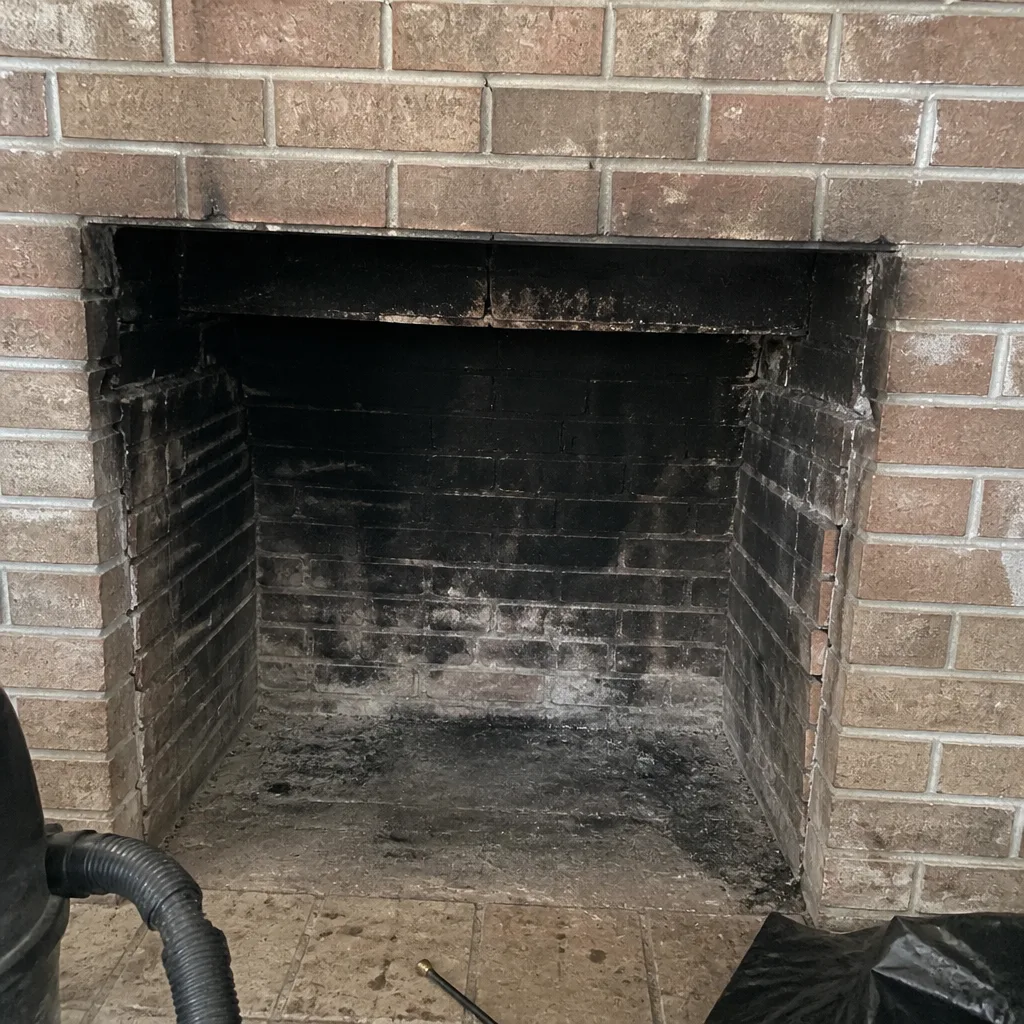
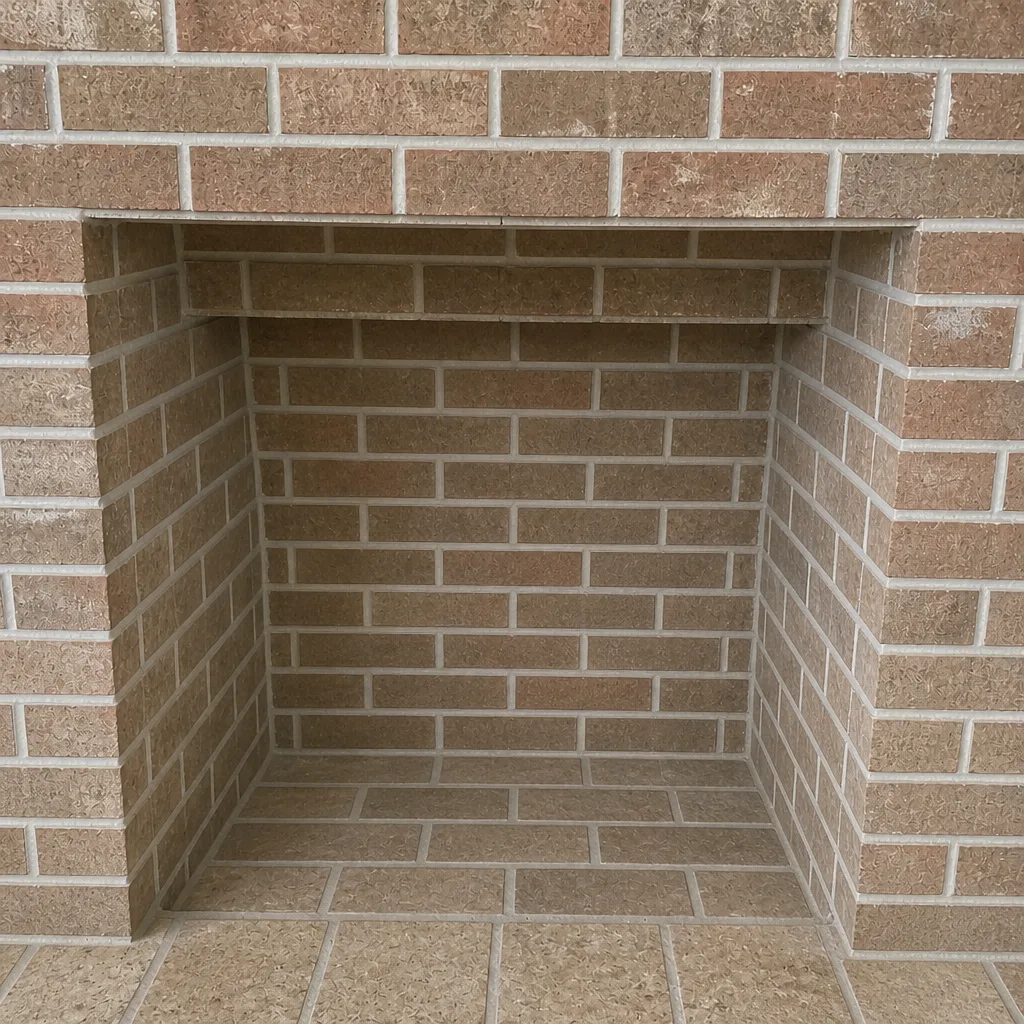
- Clean the firebox and smoke chamber. Soot and ash get vacuumed out. A high-efficiency vacuum keeps the room clean throughout.
- Inspect the flue, liner, cap, and crown. This is the Level 1 inspection that goes with the sweep. Cracks, moisture damage, a failing cap, or a deteriorating crown all get identified here.
- Report findings. You get a plain-language rundown of what was found and what, if anything, needs attention. Nothing gets recommended without a reason you can see, and if a repair can safely wait, you’ll hear that plainly.
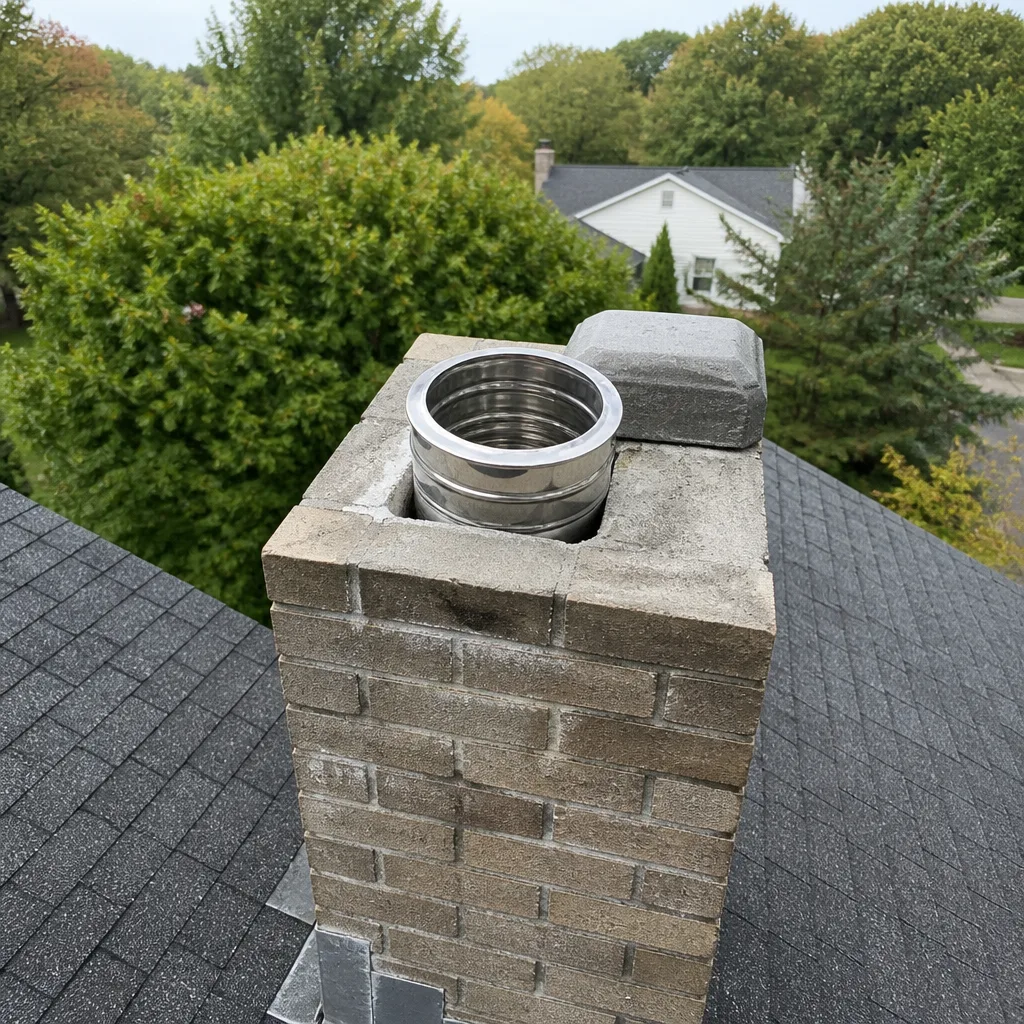
Our chimney sweep follows this sequence on every visit, and the inspection is built in rather than sold as an add-on. When a repair does come up, the materials matter. We use HeatShield for flue resurfacing, and DuraFlex and Olympia Chimney flexible liner systems for relining, so a repair recommendation comes with a real material solution instead of a diagnosis and a shrug.
The Three Degrees of Creosote and What Each Means
Creosote is graded by how hard it is to remove and how much of a fire risk it carries. In Miramar, humidity nudges deposits toward the wetter, stickier end of the scale, which is why the grading matters here.
- First degree: flaky and soot-like. Dry climates produce this as a brittle coating that brushes off easily. In Miramar, first-degree creosote stays soft and gummy instead, which makes it harder to clear and more likely to trap soot. It’s still the mildest grade and responds to a standard sweep.
- Second degree: sticky, tar-like deposits. This is where creosote clings and resists a standard wire brush. It often needs a different brush or chemical treatment to break down. In a humid climate, second-degree buildup develops faster from the wet first-degree layer.
- Third degree: hardened, glazed glaze. The most severe grade. It’s a dense, fuel-rich coating that brushes won’t touch and that a professional removes with specialized tools or resurfacing. It’s a fire hazard, and it’s the grade most closely associated with chimney fires.
Left unaddressed, creosote builds in stages rather than levels off, and the more there is, the harder it is to remove. That’s the case for yearly cleaning even on a light-use fireplace. When a flue has been damaged by a serious creosote problem or a chimney fire, resurfacing the flue with HeatShield restores a smooth, sound interior rather than leaving the damaged surface behind. The sweep itself is the safeguard: a clean chimney is a measurable result, not a promise.
Caps, Crowns, and the Top of the Chimney
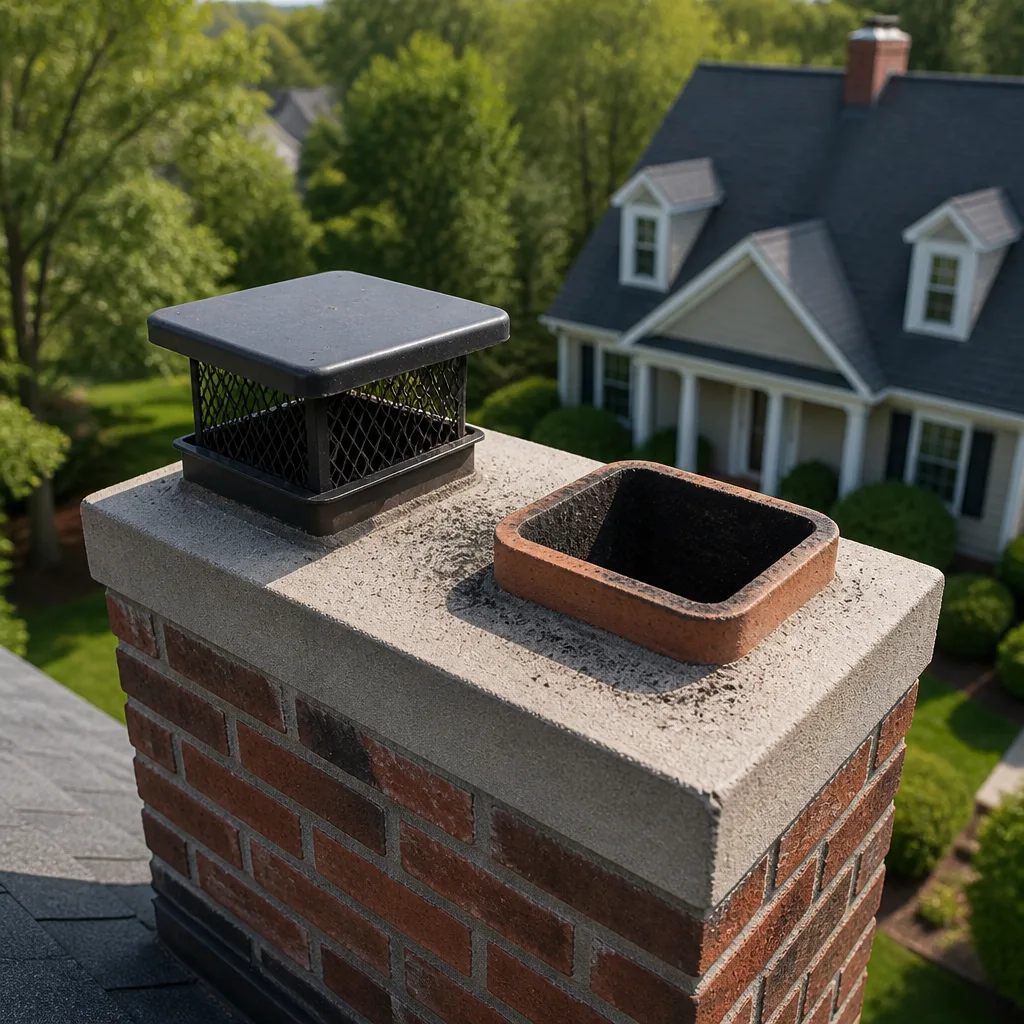
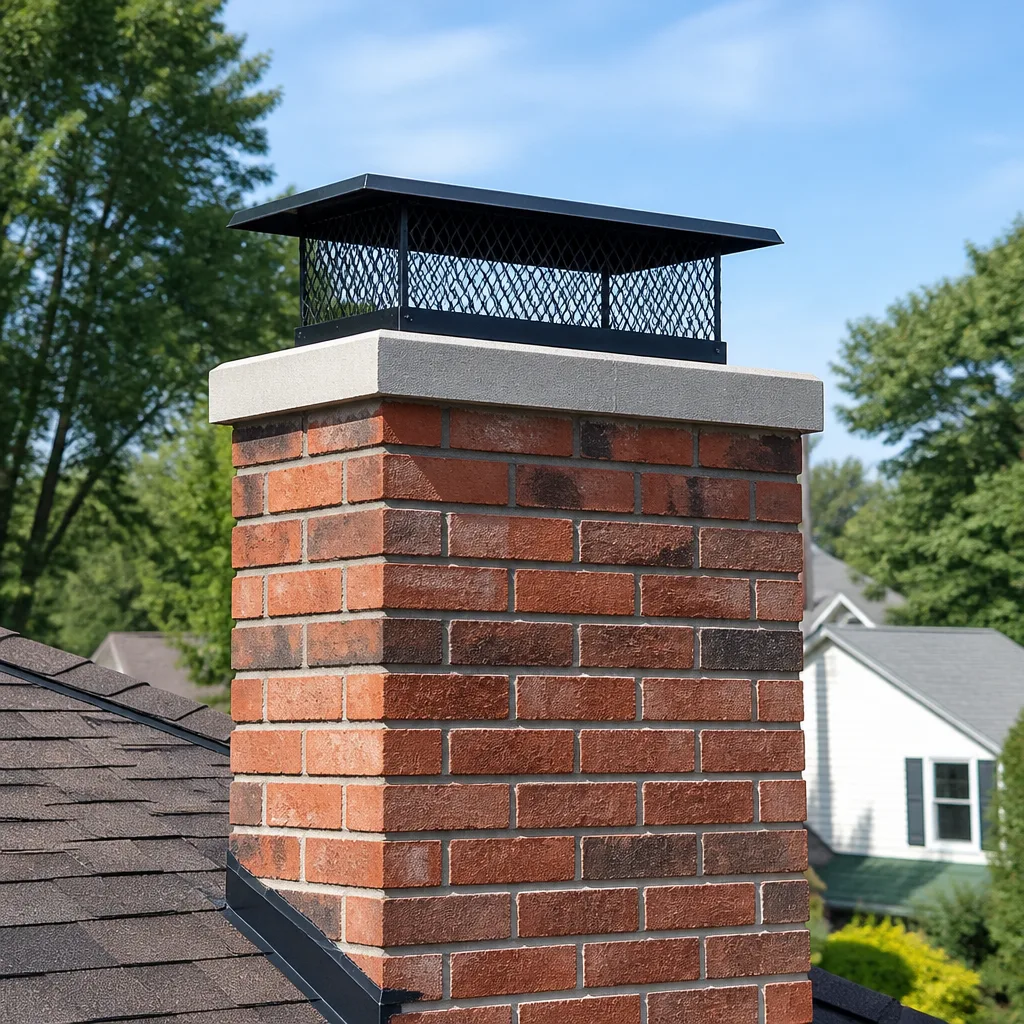
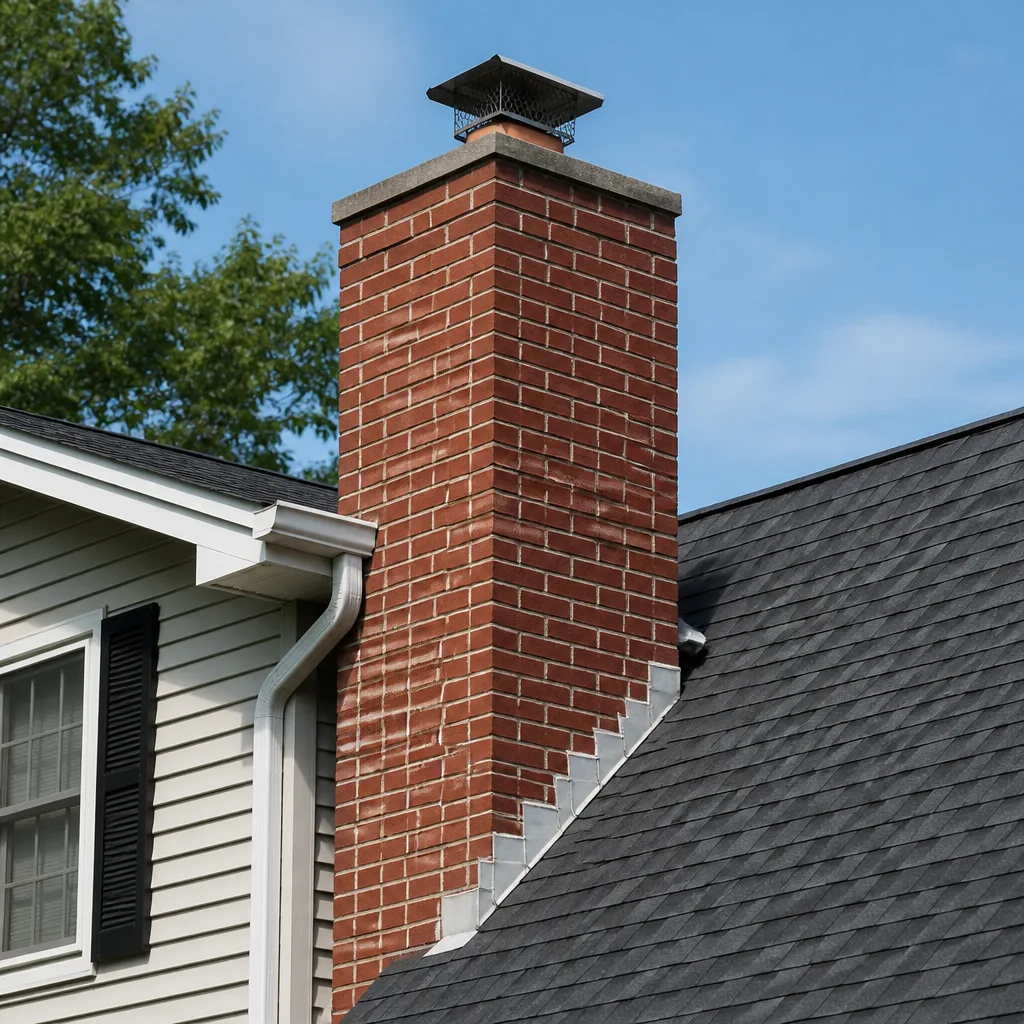
The weather end of the chimney takes the beating. The crown is the concrete top surface, and the cap is the cover over the flue opening. Both are the first line of defense against everything this guide has described, and in Miramar’s climate they fail faster than most homeowners expect.
What goes wrong up top:
- Cap damage lets everything in. A cracked or displaced cap is the entry point for Spanish moss, vines, squirrels, and rain. Every blockage in this guide traces back to it.
- Crown cracking lets moisture in. A cracked crown lets rain soak into the chimney’s masonry, and once water is inside the structure, it’s a slow repair rather than a quick one.
- Poor venting shows up top. An underperforming cap or venting setup can cause draft problems that reveal themselves as smoke in the room or a cold, sluggish fireplace.
This is why we stock and install Gelco and Famco caps and venting components. When an inspection finds a failed cap, we can replace it as part of the job rather than ordering a part and rescheduling a return visit. A sound cap and a watertight crown keep the rest of the chimney dry, and in a humid climate, that’s the job that protects everything below it.
How Often Should a Miramar Chimney Be Cleaned?
Once a year, in one straightforward answer. Annual cleaning and inspection is the baseline for any wood-burning fireplace or fuel-burning appliance, and for Miramar homes that means an annual sweep and Level 1 inspection whether the fireplace saw heavy use or almost none. Frequency isn’t driven by how many fires you built. It’s driven by what accumulates between them.
There are reasons to sweep more often than once a year:
- A wood-burning appliance that sees steady use through the cooler months.
- A history of heavy creosote buildup, or second and third-degree deposits.
- A chimney with a damaged cap or crown that’s been open to debris and pests.
- A gas appliance whose venting has shown signs of corrosion or condensation.
- A fireplace that hasn’t been inspected since the property changed hands.
The one clear rule overrides the yearly baseline: a chimney should be inspected before you start using it for the season if anything feels off, and it should be cleaned whenever a sweep or inspection shows enough buildup to matter. When you call, we give you a straight answer based on what’s actually in your flue. To book a visit, call Chimney Sweep Miramar and we’ll set up a time. We answer 24/7. Fast dispatch from 7am to 7pm, Sunday through Friday.
Common Mistakes to Avoid
- Skipping the sweep because the fireplace is barely used. Light use is exactly the pattern that lets creosote stay wet, lets pests nest, and lets damage go unnoticed for seasons. Low use is a reason to inspect, not a reason to skip.
- Judging the chimney by the firebox. In a humid climate, the visible firebox can look clean while the flue and crown are cracked and damp. The firebox tells you almost nothing about what’s happening up the chimney.
- Assuming a gas fireplace needs nothing. Gas exhaust carries heavy moisture and a gas flue is still an opening to pests and debris. It needs an annual check for the same safety reasons a wood flue does.
- Waiting on a loose or missing cap. Every week a cap is off is a week of open access for moss, vines, squirrels, and rain. A cap replacement is a small fix that prevents a much bigger problem.
- Hiring whoever’s cheapest without checking what’s included. A sweep that skips the inspection, or that doesn’t cover the flue top to bottom, leaves the actual risks in place. You want the full sequence, and you want the findings explained in plain language.
- Accepting a repair recommendation you can’t verify. If someone tells you the flue needs thousands in resurfacing, ask to see the evidence. A scan or photo of the actual defect should back it up, and you should be told plainly when a repair can safely wait.
- Using a general handyman for flue work. Flue resurfacing and relining call for products and methods a general contractor doesn’t routinely use. HeatShield, DuraFlex, and Olympia Chimney systems are installed to a standard, and a generic substitute doesn’t meet it.
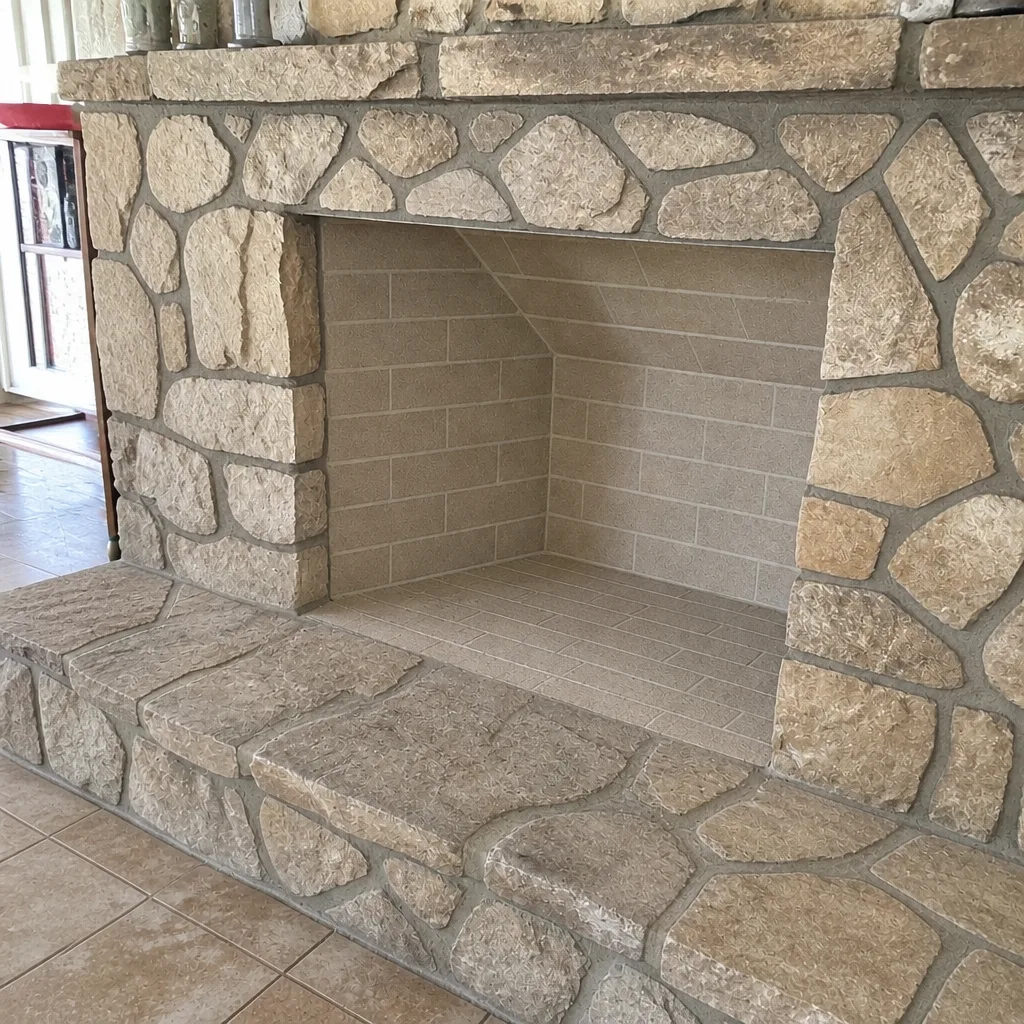
See the difference
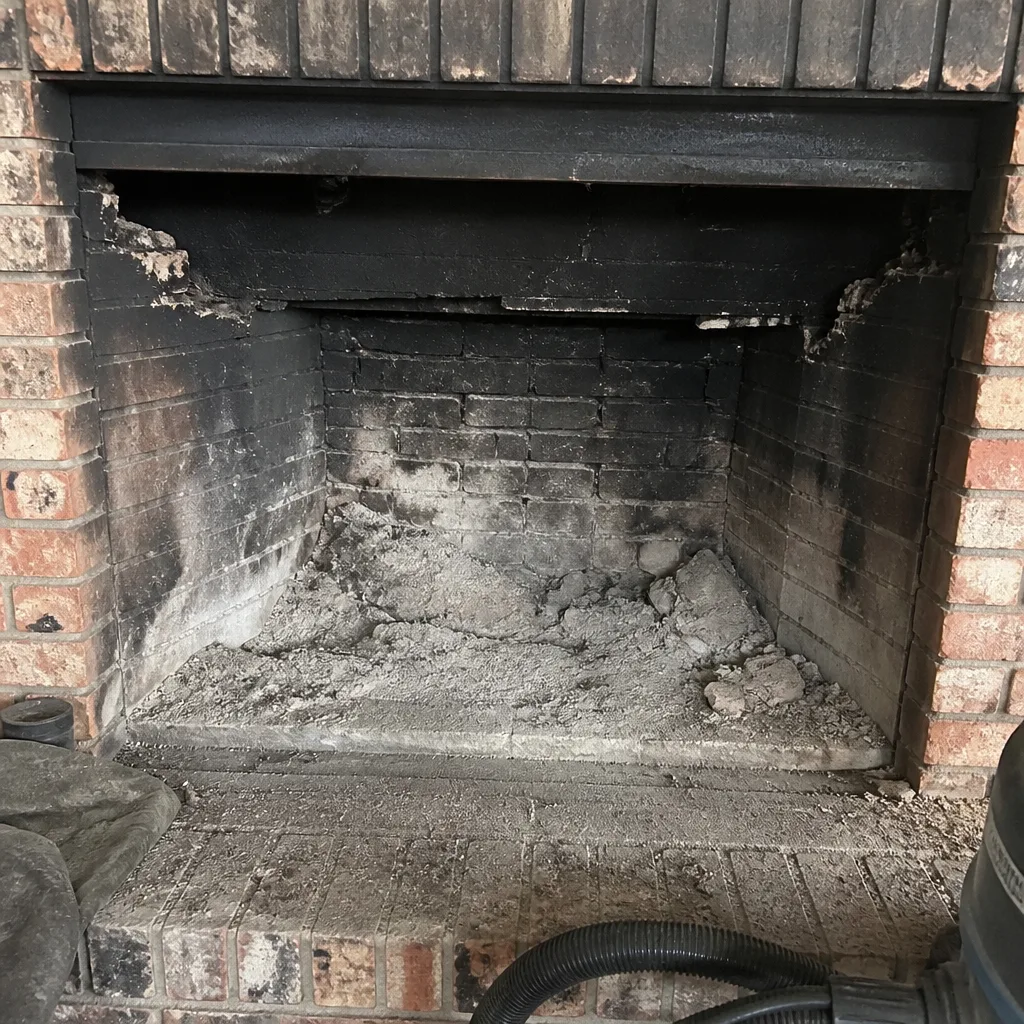 Before
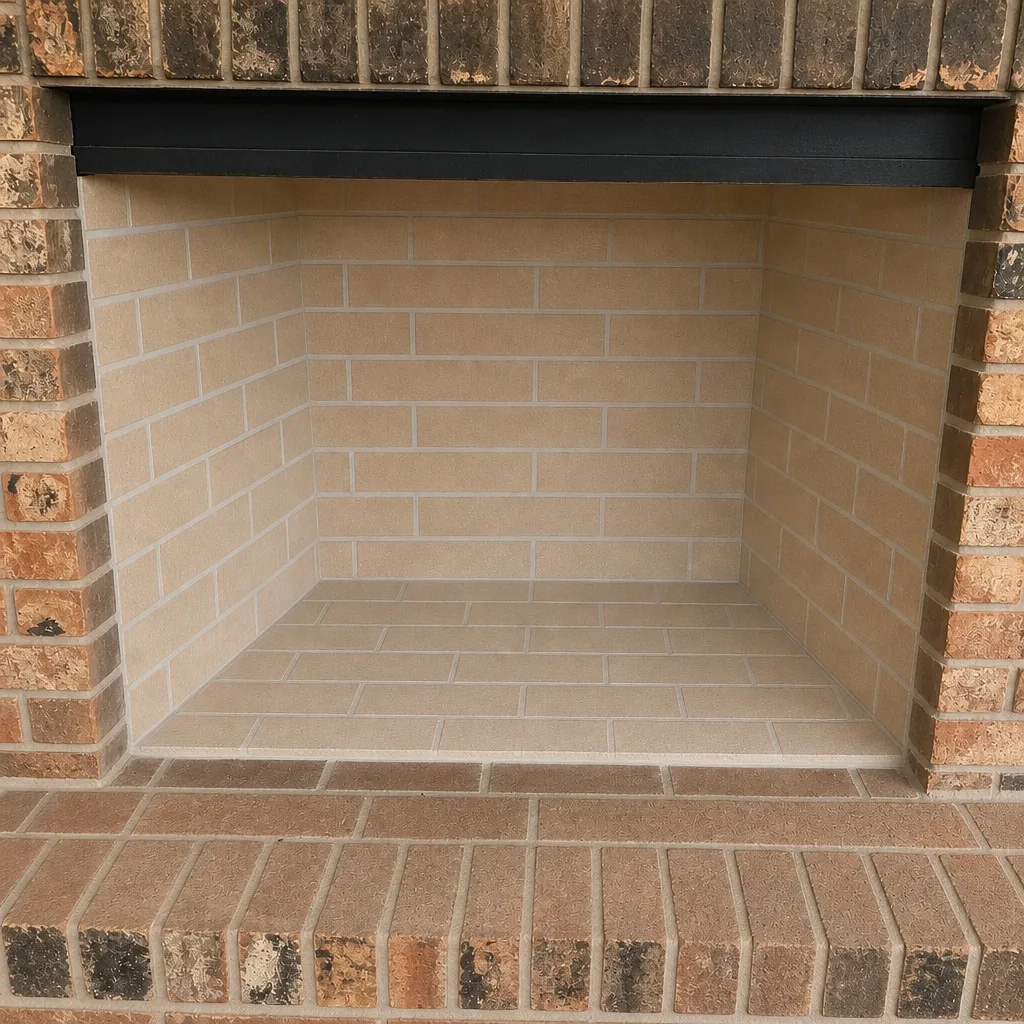 After
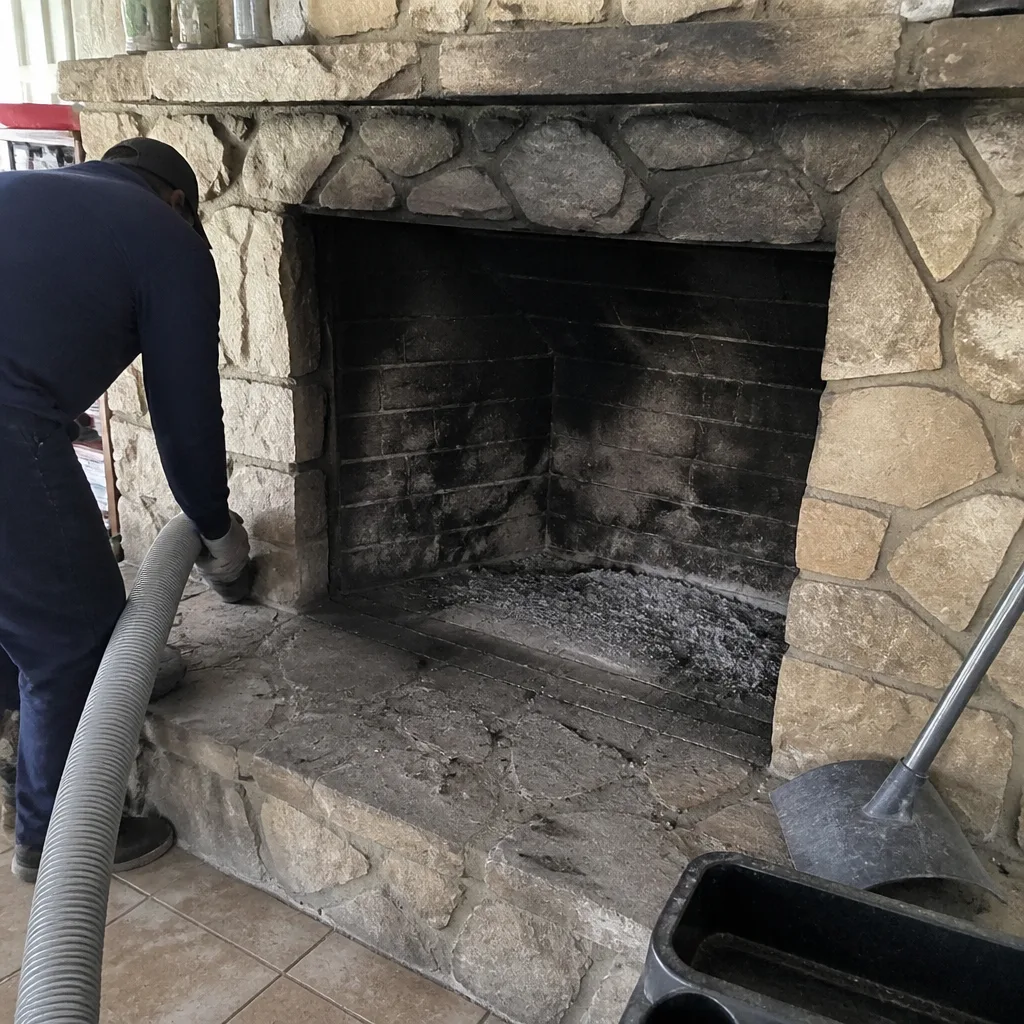 Before
 After
 Before
 After
When to Call a Professional
Some situations clearly call for a trained technician rather than a do-it-yourself effort. A strong draft of smoke back into the room when the fireplace is lit is one; that points to a blockage or venting problem that needs to be seen from both ends of the flue. Visible cracks or staining on the chimney exterior, a loose or missing cap, or any sign that water has reached the masonry is another. If you’ve had a chimney fire, even a small one, the flue needs an inspection before you burn again. And if you’ve bought a Miramar home and don’t know when the chimney was last serviced, an annual inspection is the place to start.
Chimney Sweep Miramar offers free estimates in Miramar, so you can get a clear picture of what your chimney needs before any work is scheduled. Call (866) 942-9444 to set one up. Our technicians have up to 11 years of experience, and nothing gets recommended without evidence you can see for yourself.
Frequently Asked Questions
Once a year is the standard, and it applies to Miramar chimneys even when the fireplace is used lightly. South Florida humidity keeps creosote wet and sticky, and it lets pests and debris collect between seasons, so the buildup happens whether or not you burn often. Annual cleaning plus a Level 1 inspection catches the problems early. Call (866) 942-9444 for an exact quote; estimates are free.
Yes. A rarely used fireplace is often the one that needs attention most, because a wet, idle flue doesn’t burn off its deposits and it’s an easy target for palmetto bugs and nesting wildlife. Low use doesn’t stop creosote from forming; it just gives it time to sit and stay damp. Call (866) 942-9444 to schedule a sweep and inspection; estimates are free.
Yes. A gas fireplace produces water-heavy exhaust that condenses on the flue, and the flue is still an opening for pests, debris, and moisture. There’s no creosote to remove, but the annual inspection, cap check, and blockage clearing are all necessary for the same safety reasons they are on a wood flue. Call (866) 942-9444 with questions; estimates are free.
A cleaning removes creosote, soot, and blockages from the flue and firebox; an inspection assesses the whole chimney for damage, defects, and safety issues. Most visits include both, since a Level 1 inspection goes along with an annual sweep. A Level 2 inspection adds a video scan of the flue when a problem, a fuel change, or a property sale calls for it. Call (866) 942-9444 to find out which your chimney needs; estimates are free.
Because of what’s around it. Spanish moss and wind-blown seed from the surrounding canopy, palmetto bugs that move in between seasons, squirrels and birds that nest in an open flue, and tropical vines that push into seams and a failing crown all find their way in. A compromised cap is usually how they get there. Call (866) 942-9444 to have it assessed; estimates are free.
You can sweep a flue, but a proper cleaning also means removing blockages, inspecting the liner, cap, and crown, and knowing what damage looks like in a humid climate. Those checks are the ones that matter most, and they’re what a trained technician is for. A sweep that misses a cracked crown or a failing cap leaves the real problem in place. Call (866) 942-9444 to book a sweep; estimates are free.
The Bottom Line
Chimney cleaning in Miramar is not a reduced version of cold-climate chimney care. The humidity, the low-use fireplace cycles, and the wildlife and vegetation here create their own set of conditions, and the creosote, blockages, and moisture damage that result don’t announce themselves. The short version: sweep and inspect once a year even if you barely burn, treat a damaged cap or crown as urgent, keep gas flues on the same annual schedule as wood, and insist on seeing the evidence behind any repair recommendation. HeatShield, DuraFlex, Olympia Chimney, Gelco, and Famco are the materials we work with, and every visit runs from flue to crown. Sweep, inspect, and repair, handled under one roof.
Ready to schedule? Call (866) 942-9444 for a free estimate. We answer 24/7. Fast dispatch from 7am to 7pm, Sunday through Friday.
Written by the team at Chimney Sweep Miramar.