
Last updated November 16, 2026
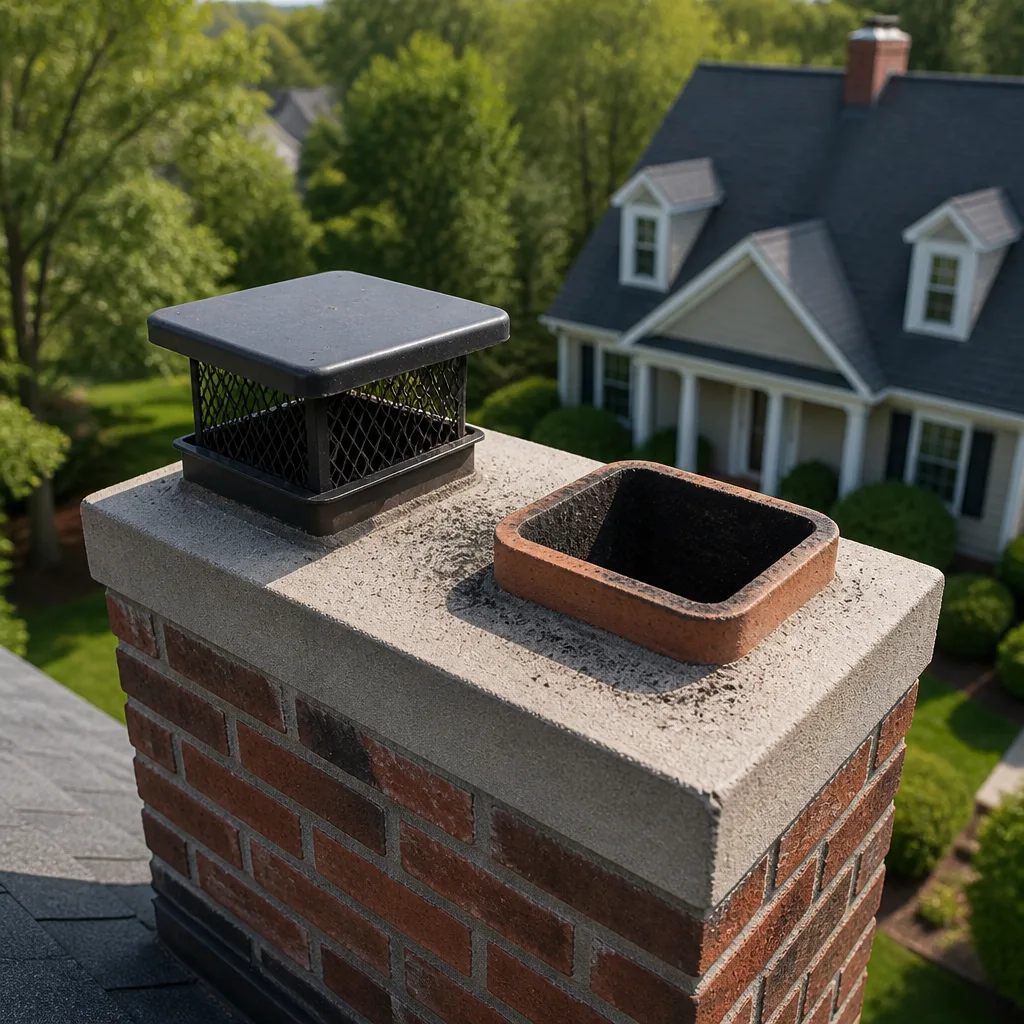 Sweep & inspection
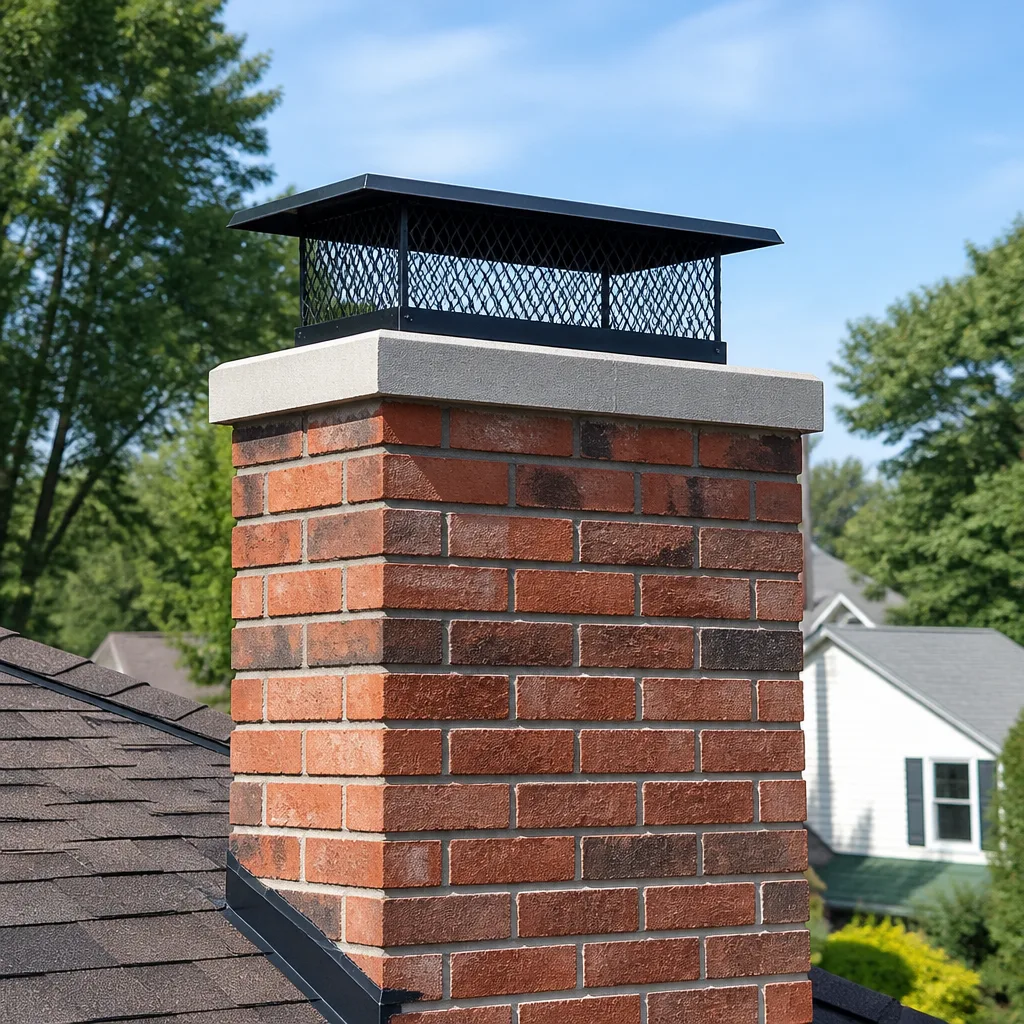 Caps & crowns
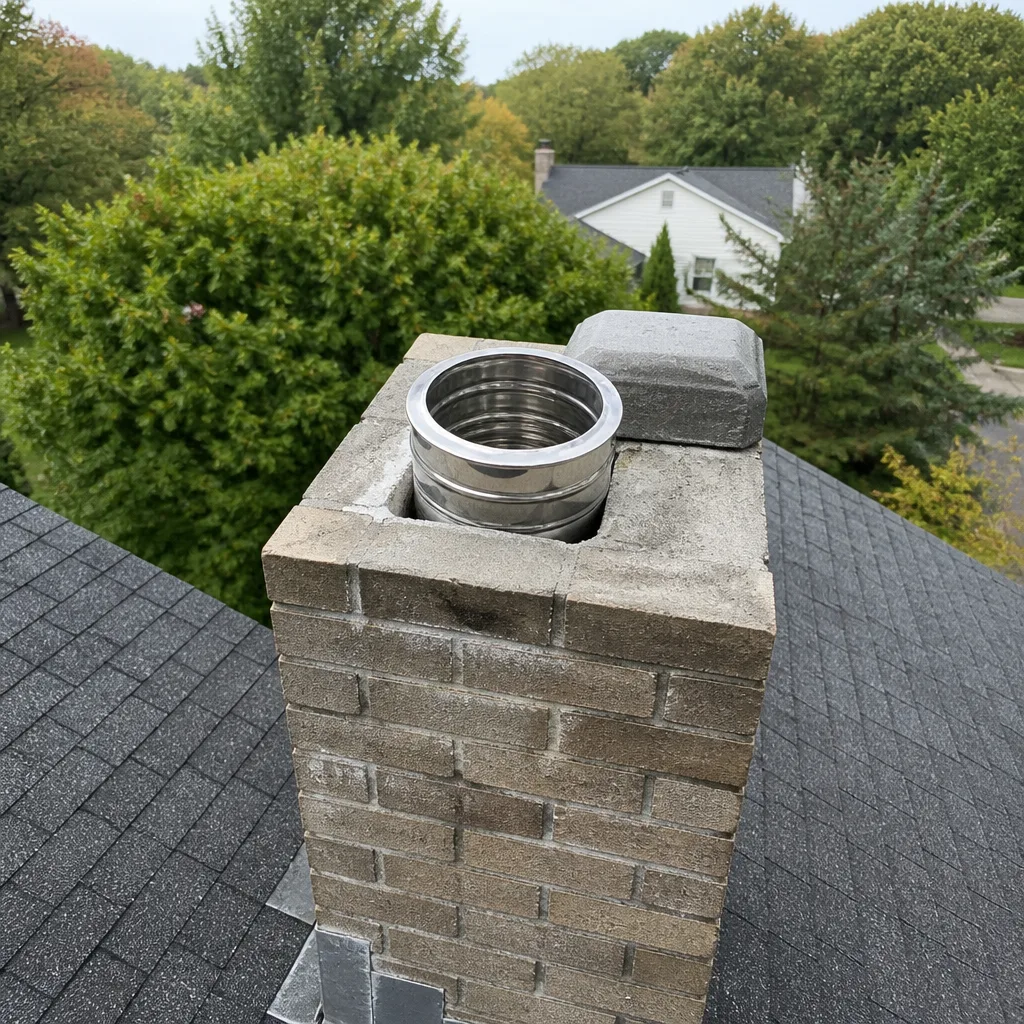 Flue relining
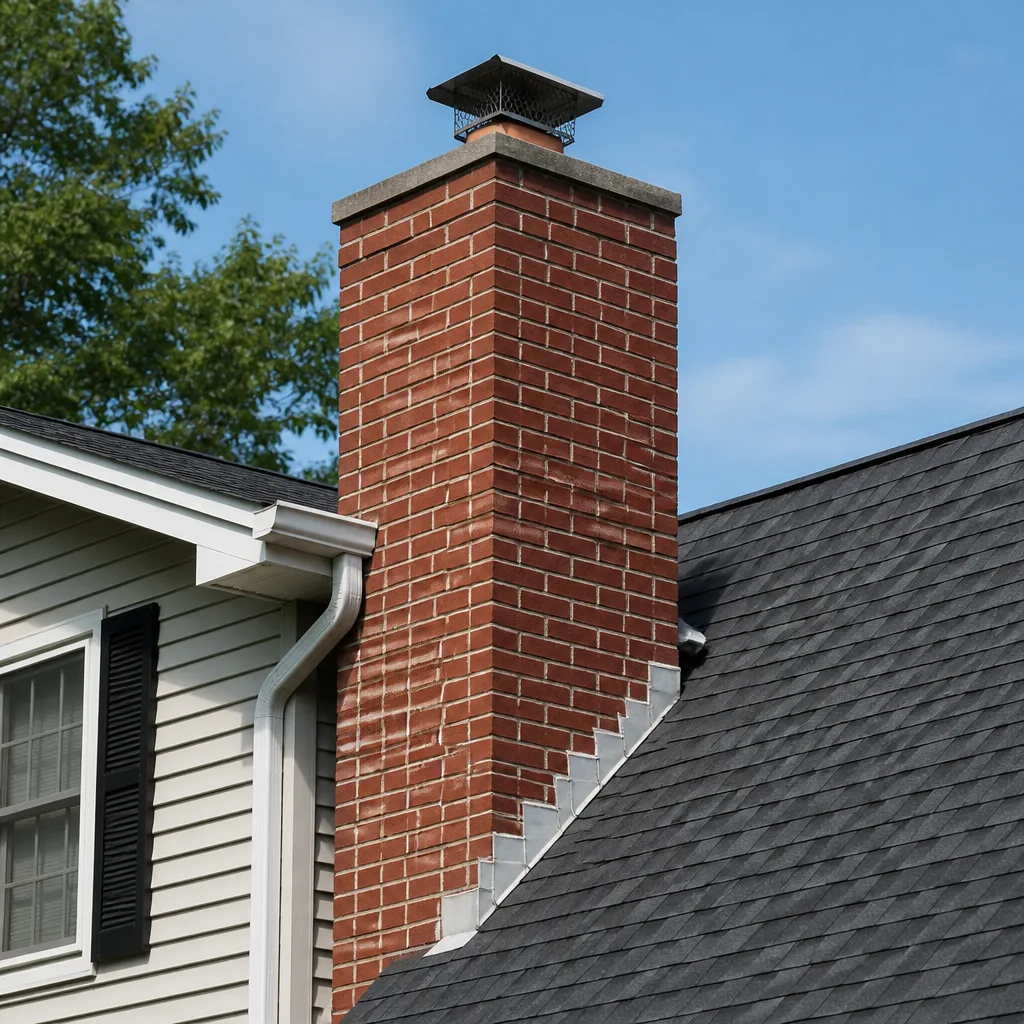 Masonry repair
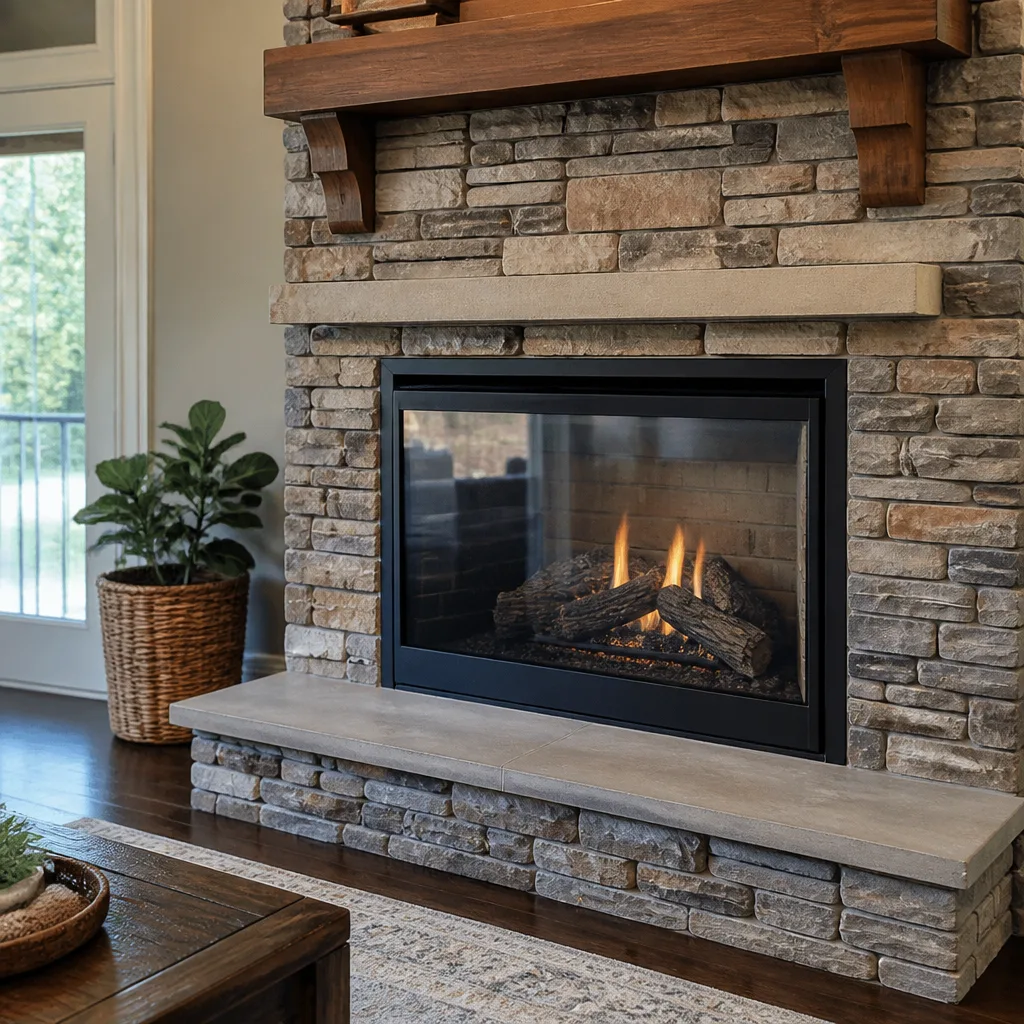 Gas fireplace service
Level 1 sweep and inspection to the NFPA 211 annual standard - flue, crown, cap, and flashing checked and photographed
Chimney sweep logs do not sweep chimneys. They loosen some creosote - which then falls where a brush and vacuum still have to collect it.
How to Hire a Chimney Cleaning Contractor in Miramar: A Step-by-Step Guide
There is no Florida state license specifically for chimney sweeps, which means a lawn care company can legally advertise chimney cleaning in Miramar tomorrow, and some do. That single fact explains most of what goes wrong for homeowners here. The person who shows up may be a skilled tradesperson with the right tools and credentials, or may be someone who owns a brush and a Shop-Vac and figured a chimney looked like easy money. The work looks simple from the ground. It isn’t. Inside that flue are creosote deposits, liner seams, and clearances that decide whether your fireplace is safe to light this winter. What follows is a practical framework for telling the specialists from the generalists before anyone climbs on your roof. We’ll cover certification, the questions to ask, quote language, and red flags specific to Miramar.
Quick Answer
To hire a chimney cleaning contractor in Miramar, verify CSIA certification on the public registry, confirm the company carries its own liability insurance, ask what brand of liner and repair materials they stock, and insist on a written inspection report with photos before any repair work is approved. A qualified sweep does all three core jobs (cleaning, inspection, and repair) or has a direct partner who does, so you aren’t coordinating separate contractors who blame each other when something fails.
Styles & brands we work with
- Sweep & inspection
- Caps & crowns
- Flue relining
- Masonry repair
- Gas fireplace service
Table of Contents
- Why Credentials Matter More Than Price in Miramar
- What CSIA Certification Actually Requires
- The Five Questions to Ask Before Booking
- Red Flags in Low-Cost Sweep Operations
- How to Read a Sweep’s Quote
- Why Full-Service Beats Coordinating Three Contractors
- What a Real Inspection Report Looks Like
- Timing Your Sweep in Miramar’s Climate
Why Credentials Matter More Than Price in Miramar
Chimney sweeping in Miramar is not a heavily regulated trade at the state level, and South Florida’s mild winters mean the local pool of genuinely experienced chimney professionals is smaller than in colder parts of the country. That combination creates a market where general handymen, roofers, and even pressure-washing companies add “chimney sweep” to their service list without ever training on a flue. They can do it because nothing prevents them from advertising it.
What separates a real chimney professional from a generalist isn’t the brush or the vacuum. It’s what they know about what they’re looking at. A qualified sweep reads the creosote type and knows which form is dangerous. They recognize a cracked tile liner before it becomes a fire path into the framing. They understand draft and pressure well enough to tell you why your fireplace smokes on certain days. That knowledge comes from training and repetition, not from owning equipment.
In Miramar, that distinction matters because the housing stock is varied. You have older single-story homes with masonry fireplaces, newer construction with factory-built units, and plenty of houses where a previous owner added a wood-burning insert without documenting the liner. A sweep who doesn’t know the difference between these setups can’t safely evaluate any of them. They’ll clean what they can reach, hand you a receipt, and leave the real problems undiscovered.
Price is the wrong first filter. What you’re buying is a judgment call about whether your chimney is safe to use, and that judgment is only as good as the person making it.
What CSIA Certification Actually Requires
CSIA stands for the Chimney Safety Institute of America, and its certification is the closest thing the trade has to a recognized professional standard. A CSIA-certified sweep has passed a proctored exam covering NFPA 211 (the national chimney and venting code), venting theory, inspection procedures, and safety. Certification also requires continuing education and a signed code of ethics, which means it has to be maintained rather than earned once and forgotten.
Here’s the part most homeowners don’t know: CSIA certification is not a state license and it isn’t mandatory in Florida. A sweep can operate legally in Miramar without it. That’s precisely why checking matters. The certification is voluntary, and the people who hold it chose to be held to a standard. That choice tells you something about how they run the rest of the business.
Verifying a credential takes about two minutes. Here’s how:
- Ask the company directly whether the technician coming to your home is CSIA-certified, and ask for the certification number.
- Go to the CSIA website and search the public registry by name or certification number.
- Confirm the listing is active, not expired or lapsed.
- Ask whether the certified technician will actually be on site for your appointment, or whether a helper will do the work under someone else’s name.
- If a company can’t or won’t give you a number, treat that as your answer.
One practical note for Miramar homeowners: some companies advertise their “certified technicians” without saying certified by whom. There are other certification bodies in the trade, and some are more rigorous than others. CSIA is the one to ask about specifically, because it’s the credential the industry itself references and the one you can independently verify.
The Five Questions to Ask Before Booking
Before you put a deposit down or block out a morning, ask these five questions. A qualified contractor answers them without hesitation. A generalist gets vague, changes the subject, or promises to “check and get back to you,” which usually means they don’t know.
1. What brand of liner and repair materials do you stock?
Liner materials and flue repair systems are not commodity items at a big-box store. The systems that hold up inside a chimney are specified by name, and a professional stocks or directly sources them. When we do relining work, it’s with chimney repair systems like DuraFlex and Olympia Chimney, and flue resurfacing with HeatShield, each of which is designed for the temperature and chemical environment inside a flue. A sweep who says “we use a good liner” without naming it either doesn’t know what’s in the box or doesn’t want you to check.
2. Do you carry your own liability insurance?
Someone working on your roof should carry liability coverage. Ask for the certificate of insurance, not just a verbal yes. If a technician damages flashing, cracks a crown, or drops something through the flue, you want that covered by their policy, not your homeowner’s insurance.
3. Will I get a written inspection report with photos?
This is the single best test of a sweep’s seriousness. A written report documents what they found, where, and what condition it’s in. Photos taken inside the flue let you see what the technician saw. A sweep who works from the roof and hands you a verbal description is asking you to take a lot on faith.
4. What level of inspection do you perform?
The trade recognizes three inspection levels, and the right one depends on your situation. A basic cleaning visit generally calls for a Level 1 inspection. A Level 2 inspection adds a video scan of the flue interior and is called for after a chimney fire, before a sale, after a liner change, or when you’ve changed appliance types. A Level 3 involves opening up access to concealed areas and is rare. Ask which level you’re getting and why.
5. Do you do repair work in-house, or refer it out?
This matters because if the sweep finds a problem and refers you to a separate repair company, you’re back to square one vetting somebody else. A full-service operation handles sweeping, inspection, and repair under one roof, which keeps the diagnosis and the fix in the same pair of hands. Read more about the full scope of chimney services we provide if you want to see how the pieces fit together.
Red Flags in Low-Cost Sweep Operations
We’ve seen these patterns repeat in Miramar, and they tend to cluster together. One red flag on its own might be meaningless. Two or three together is a pattern worth walking away from.
- Flat-rate $49 specials. A sweep’s time, equipment, insurance, and training all cost money. A price that low usually means the visit exists to sell you something else. The sweep will find “urgent” problems that don’t exist, or do a token cleaning and move on in fifteen minutes.
- No written inspection report. If a sweep won’t put findings in writing with photos, you have no record and no way to verify anything. Professional sweeps document the work because the documentation protects both of you.
- Refusing to show tools before starting. A real sweep has no problem letting you see the equipment. Rods, brushes, a HEPA vacuum, lights, and a camera should all be there. A technician who arrives with a hand brush and nothing else is not equipped to clean a flue, let alone inspect one.
- Recommending repairs before the flue has even been cleaned. You can’t properly assess a flue full of creosote and soot. If someone quotes you a major repair the minute they arrive, the sequence is wrong.
- No street address or verifiable local presence you can confirm. Ask where the business is registered and confirm it, then check the phone number and business name against local records. A company that exists only as a website and a cell number is a coin flip.
- Pressure to decide now. Chimney problems don’t generally require a decision in ten minutes. A contractor who won’t let you sleep on a major repair quote is selling fear, not service.
- “We’ll need to come back for the inspection.” Sweeping and inspecting are part of the same visit. Requiring a second trip to a different team is a sign the two functions live in different companies, which is exactly what the buyer gets stuck coordinating.
None of this means the cheapest quote is always wrong. It means the cheapest quote plus one or two red flags is a warning about the rest of the work, not a bargain.
How to Read a Sweep’s Quote
A chimney quote is a short document, and what’s missing from it tells you as much as what’s in it. The good ones are specific enough that you could hand the page to a different contractor and they’d know exactly what was promised. The bad ones use language so loose that nothing is actually committed.
Here’s what a complete quote should include as line items:
- The service being performed, named specifically (sweeping, Level 1 or Level 2 inspection, repair, relining).
- The specific areas to be cleaned (firebox, smoke chamber, flue, and whether the damper and smoke shelf are included).
- The inspection level and whether a video scan is included.
- The condition findings: what’s there, what’s damaged, what’s functioning, with photos referenced.
- Any recommended repairs, with the material system named (for example, a HeatShield flue resurfacing versus a DuraFlex or Olympia Chimney liner replacement).
- The written report delivery method and timing.
- Total cost, what it covers, and what it doesn’t.
Now the vague language that should make you ask harder questions: “full cleaning,” “check flue,” “repair as needed,” “labor included,” “prices vary.” Each of these hides something. “Repair as needed” means the repair scope is undefined until after you’ve paid. “Full cleaning” without areas named means the sweep decides what “full” means. A qualified contractor writing a Miramar quote will use trade-standard terms and name the materials, because that’s the language they work in every day.
Ask for the quote in writing before work starts. A verbal estimate is a conversation, not a commitment. The written figure is the number that holds.
Why Full-Service Beats Coordinating Three Contractors
In our experience, the single biggest source of buyer frustration in this trade is split accountability. A sweep comes out, does a cleaning, writes a report saying “liner damage noted, recommend further evaluation.” You call a repair company, they come out, disagree with the first report, recommend a different scope, and quote you a number that doesn’t match anything in the first document. Now you’re the one reconciling two professionals who’ve never spoken to each other, and neither is accountable for the final result.
A full-service chimney operation collapses that into one conversation. The person who sweeps your flue is the person who inspected it, and the company that inspects it is the company that repairs it. If a recommendation comes out of the inspection, the material solution comes with it: here’s the flue problem, here’s what we’d use to fix it, here’s the cost. The diagnosis and the remedy are answered in the same place.
This matters more in a market like Miramar, where the generalist sweep population is large and the repair-specialist population is smaller. When the two live in different companies, the handoff tends to go badly. When they live in the same one, there’s nowhere for the ball to drop.
Single-call coverage also applies to parts. Cap replacements, venting components, and draft solutions often come up during a visit. A full-service shop supplies and installs components like Famco and Gelco caps and venting in-house, which means the fix happens during the visit rather than being ordered and scheduled for a follow-up weeks later.
What a Real Inspection Report Looks Like
The written inspection report is the deliverable that matters most from a cleaning visit, and it’s the piece most homeowners under-value. Anyone can say “your chimney looks fine.” A report demonstrates what was found and lets you make an informed call about whether to burn this season.
A quality report includes at minimum:
- The inspection level performed and why that level was chosen.
- A description of the firebox, smoke chamber, damper, flue, cap, and crown condition.
- Photos of the flue interior, taken from both top and bottom.
- Any damaged areas highlighted with photos and plain-language explanation.
- A clear statement of what’s safe to use now, what needs monitoring, and what needs repair before use.
- Recommendations with any material system named if repair is involved.
The plain-language part is important. A report full of trade jargon without explanation isn’t serving the homeowner who has to decide whether to light the fireplace. When we write one, the aim is that the person reading it can explain the findings to their spouse that evening without having to call back and ask what something means.
If your chimney is in Miramar and you haven’t had an inspection in a while, the report is where you’ll find out what’s actually going on inside the flue. Get one before you find out from a chimney fire.
Timing Your Sweep in Miramar’s Climate
Chimney use in Miramar is seasonal but not in the way it is up north. Winters here are mild, which means fireplace use is concentrated into a shorter, less predictable stretch, and a lot of homeowners burn heavily for a few weeks and then leave the fireplace untouched for nine months. That pattern shapes when a sweep makes the most sense.
The practical answer: get the sweep done before your first burn of the season, not after. A flue that’s been sitting unused since last spring can develop problems in the off-season, and you want the inspection done before you light the first fire, not once you’ve already been burning. From a scheduling standpoint, the demand for sweeps peaks once the weather turns, and Miramar homeowners who wait until the first cold snap to book end up competing with everyone else doing the same thing.
If you use your fireplace regularly through the season, a cleaning partway through the year is worth considering. Frequency depends on how much you burn, the wood you burn, and how well the flue draws. An annual inspection is the baseline that most safety professionals recommend, with cleaning as needed based on the amount of creosote found. A sweep who tells you what you’re actually burning and how fast buildup accumulates will be more useful than one who quotes a fixed number of visits.
If you’ve had a chimney fire, even a small one, don’t wait for the next season to have the flue inspected. A Level 2 inspection after a fire is the standard, because fire damage to a liner isn’t always visible from the roof.
Common Mistakes to Avoid
- Choosing on price alone. The cheapest quote in Miramar is usually the least specific quote, and specificity is what you’re paying for. A $49 special exists to make a sale on the back end, not to clean your chimney.
- Not verifying CSIA on the public registry. Anyone can say “certified.” The registry is the actual proof, and skipping the check means you don’t know what you’re getting.
- Accepting a verbal report. Without a written report and photos, you have nothing to compare a future inspection against and nothing to show a repair contractor if you ever sell the house. Insist on the paperwork.
- Letting a sweep talk you into repairs on the first visit without the flue being cleaned. Repairs should follow diagnosis, and diagnosis follows cleaning. If the sequence is reversed, the recommendation is suspect.
- Hiring a generalist because they were already at the house for another job. A roofer or handyman who offers a $100 sweep is doing you a disservice even if they’re honest, because they can’t evaluate what they’re looking at inside the flue.
- Coordinating three separate companies. Sweeping, inspecting, and repairing in three different businesses means no one owns the outcome. A single full-service operation keeps accountability in one place.
- Skipping the post-fire inspection. Even a minor chimney fire can compromise a liner. The cost of the inspection is trivial compared with missing the damage and lighting another fire.
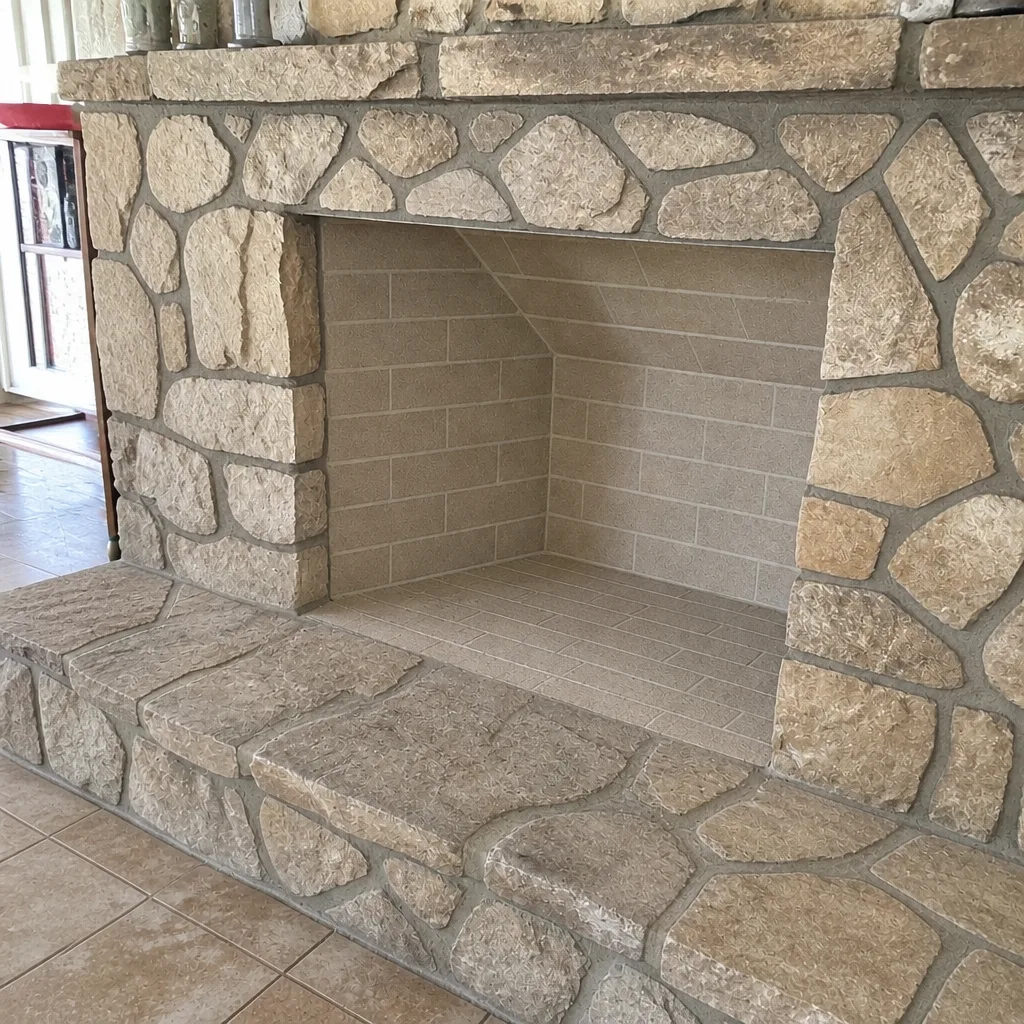
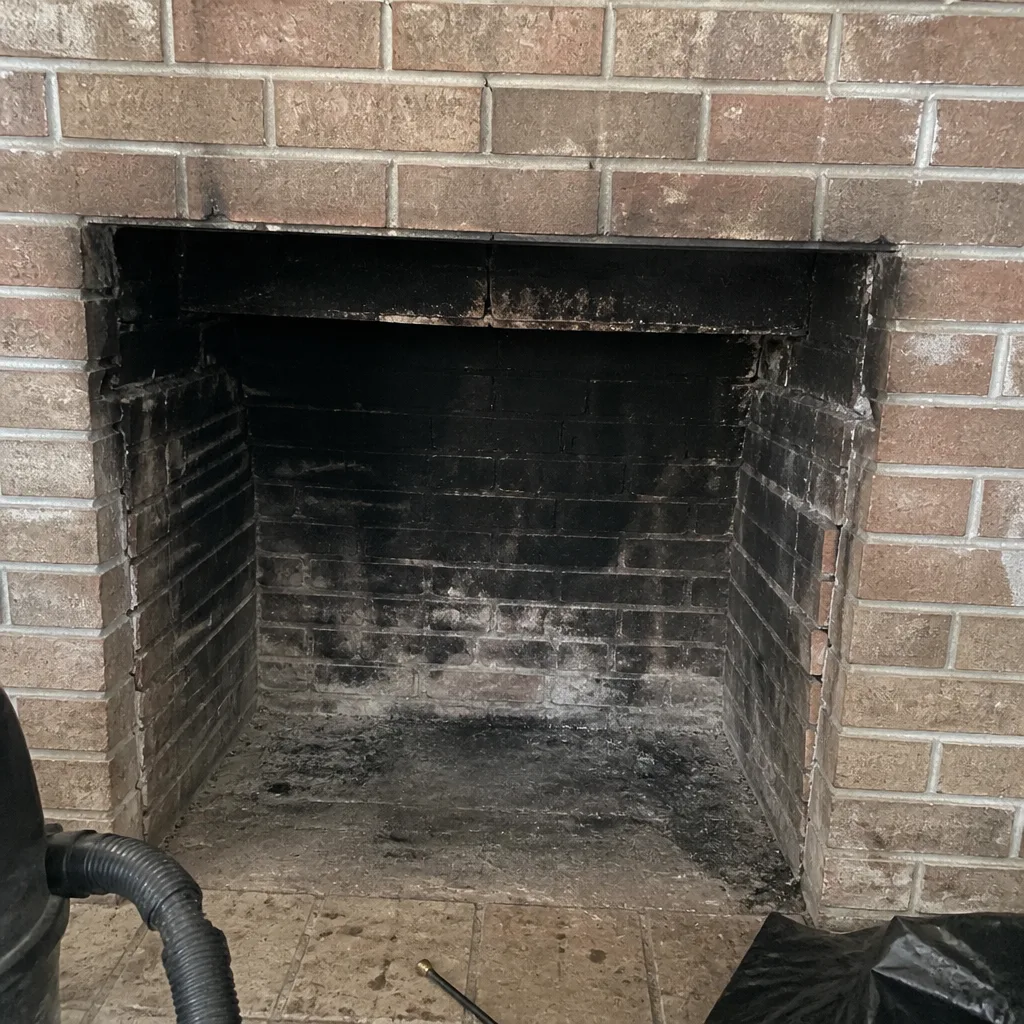
See the difference
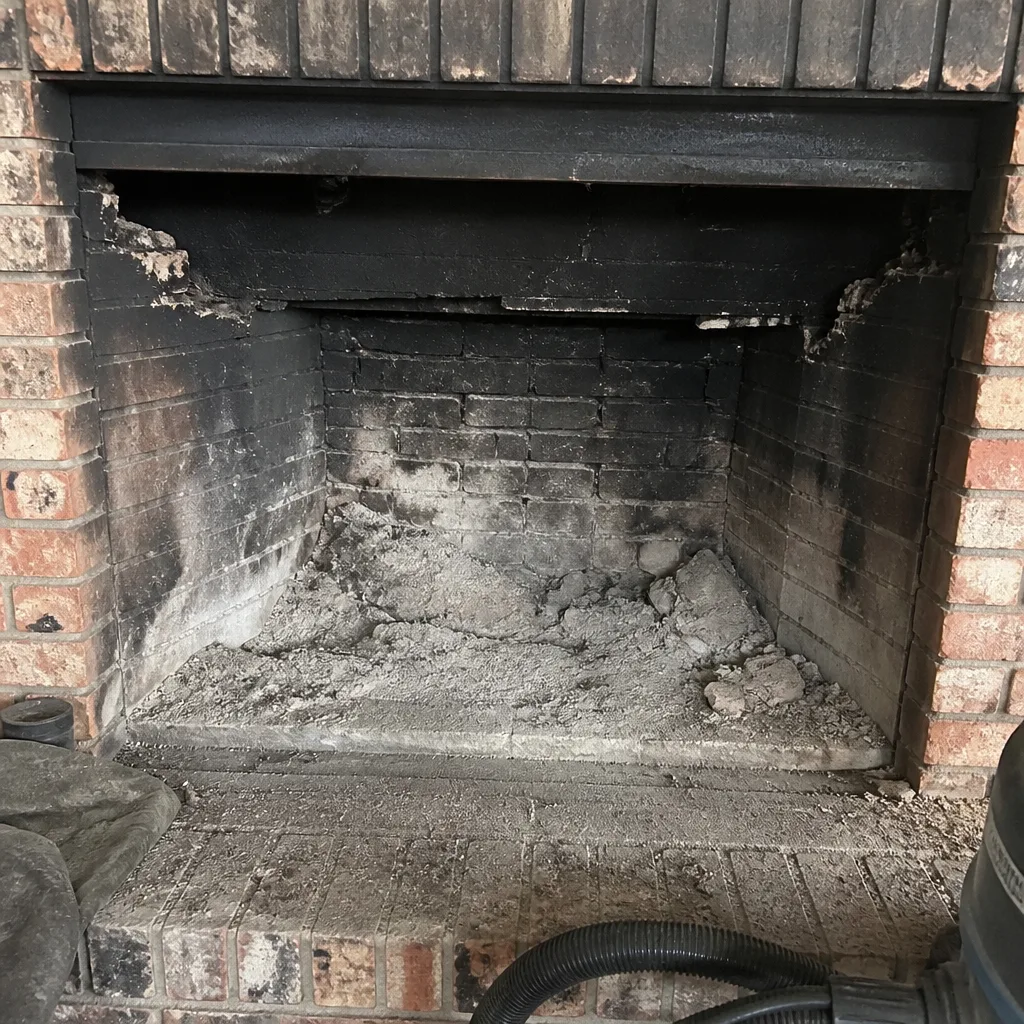 Before
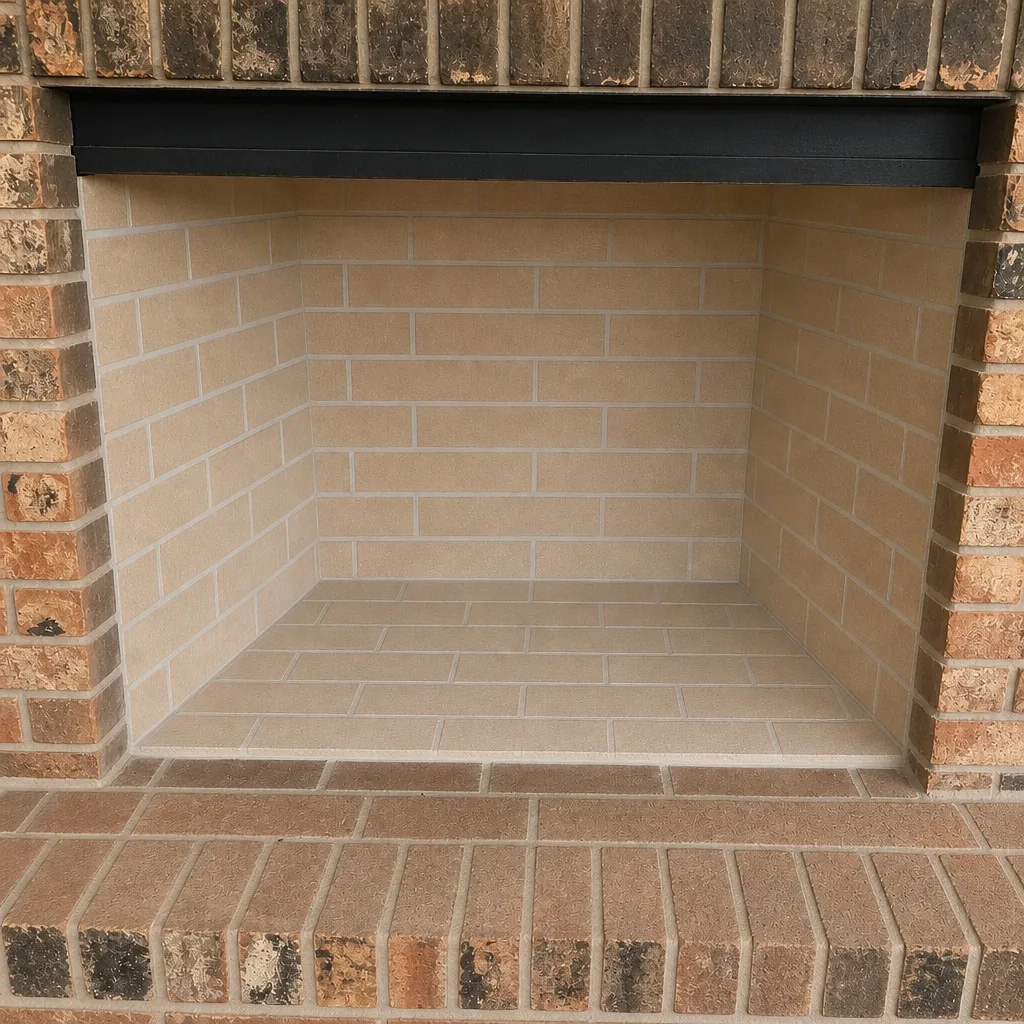 After
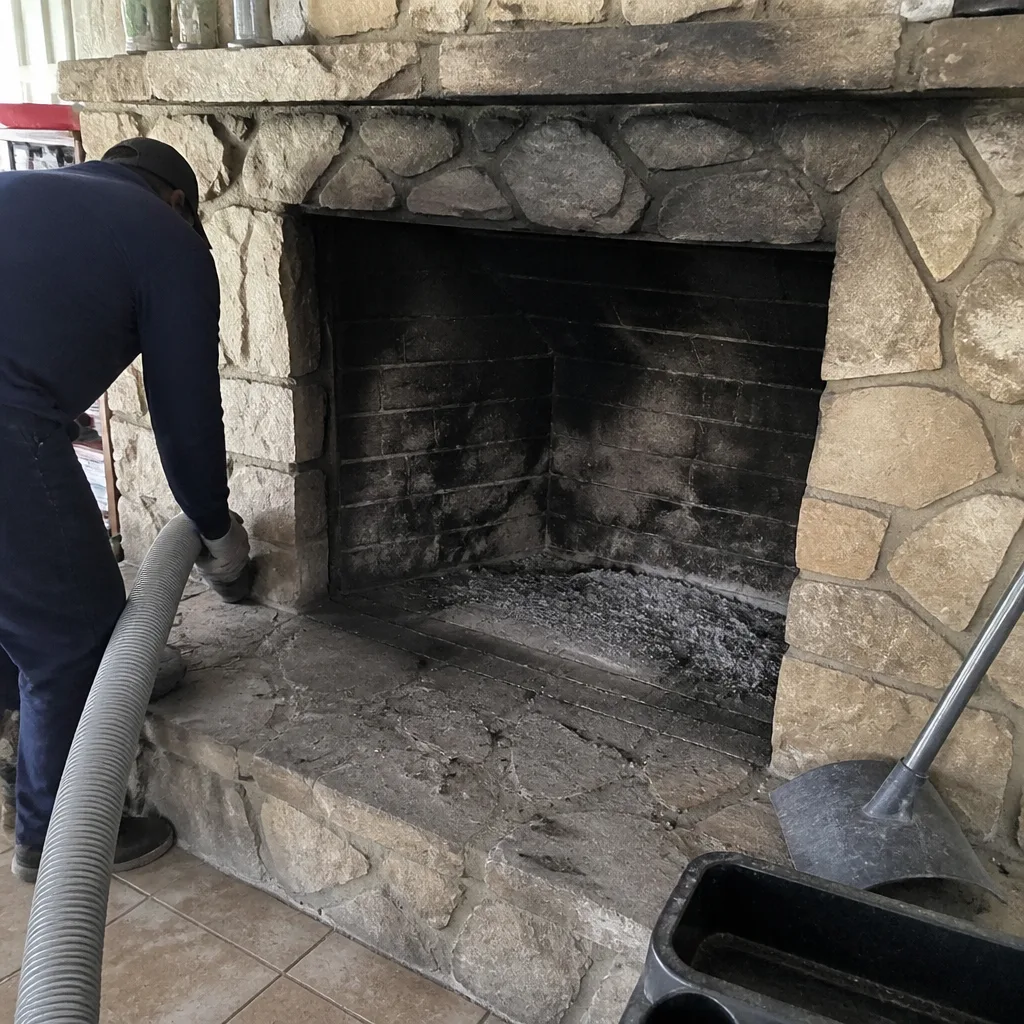 Before
 After
 Before
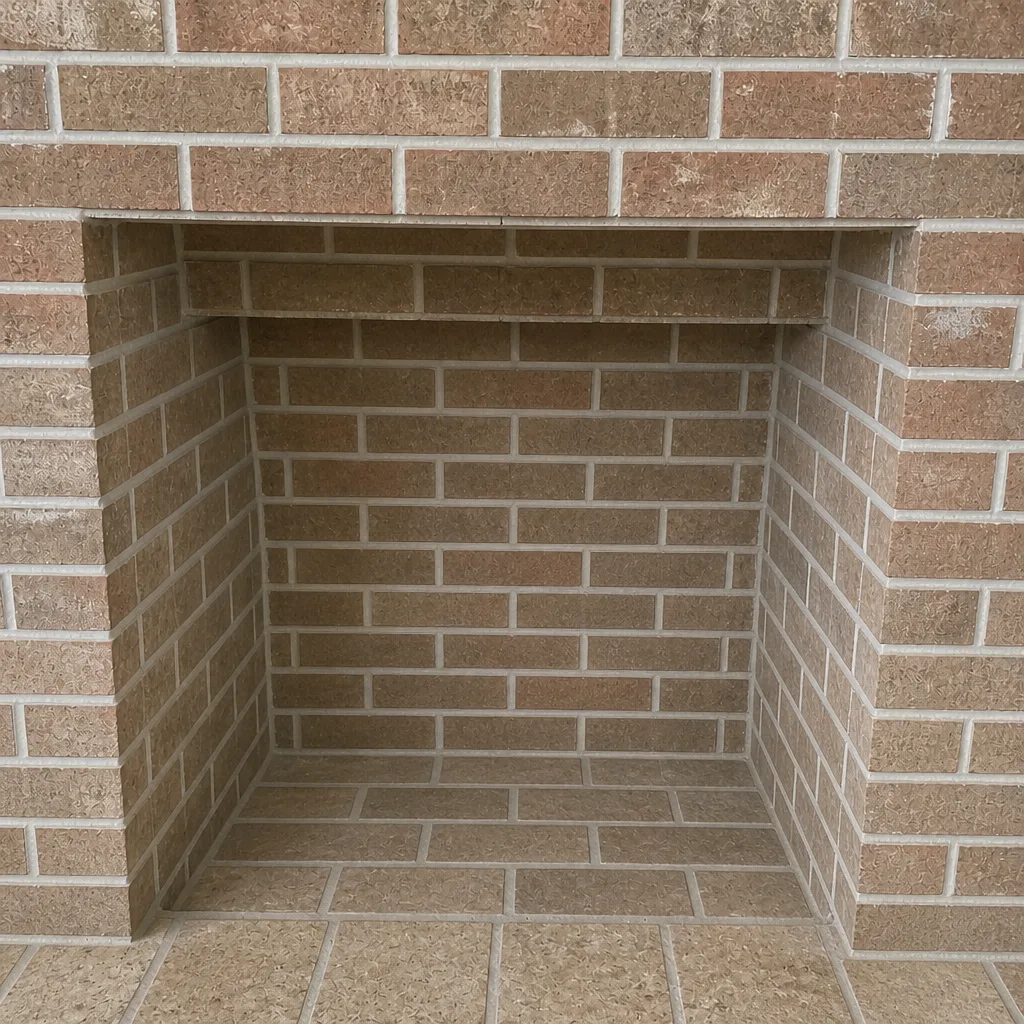 After
When to Call a Professional
Some signs mean call now rather than wait for the annual sweep. If you’ve had a chimney fire, even one that sounded like a low rumble and went out on its own, get the flue inspected before you burn again. If you notice black staining on the exterior of the chimney, a strong creosote smell inside the house when the fireplace isn’t in use, or smoke rolling back into the room, those are draft and blockage signals that a sweep needs to look at. If your fireplace hasn’t been swept in more than a year and you’ve been burning regularly, book a cleaning and inspection before the next season. If you’re buying or selling a home in Miramar and the chimney hasn’t been documented, a pre-sale inspection gives you a record and prevents surprises at closing. Chimney Sweep Miramar offers free estimates in Miramar, call (866) 942-9444. Our technicians have up to experience with the systems that hold up inside a working flue.
Frequently Asked Questions
Florida does not issue a specific license for chimney sweeping, so there’s no state license to check. The credential that matters is CSIA certification, which is voluntary and verifiable on the CSIA public registry. Ask for the certification number and look it up before you book, because the lack of a state license is exactly what allows unqualified operators into the market.
Cleaning costs vary with the flue configuration, the amount of buildup, and whether an inspection is bundled in. We don’t quote a flat number over the phone because the estimate should match the actual job. Call (866) 942-9444 for an exact quote, estimates are free.
You can, and plenty of Miramar homeowners do, but it’s a gamble. A generalist may do a competent surface cleaning and still miss liner damage, draft problems, or clearance issues because evaluating those requires specific training. The sweep’s value is the inspection, not the brushing, and a handyman without chimney training can’t give you the inspection.
It proves the technician passed a proctored exam on NFPA 211 venting code and chimney safety, holds continuing education, and signed a code of ethics. It doesn’t cover the whole company, only the individual named on the certificate. That’s why it’s worth confirming the certified technician will be on site for your appointment, not just on staff.
Because sweeping, inspecting, and repairing under one roof keeps diagnosis and remedy in the same place. When the sweep and the repair contractor are different companies, findings get argued over and recommendations get diluted. When they’re the same business, the person who found the problem is the person who fixes it, and there’s no handoff gap.
Stop using the fireplace and have the flue inspected before you burn again. A Level 2 inspection with a video scan is the standard after a fire, because liner damage often isn’t visible from the roof. Call (866) 942-9444 to get on the schedule, and we answer 24/7. Fast dispatch from 7am to 7pm, Sunday through Friday, closed on Saturday, so a Saturday call is booked into the next opening.
The Bottom Line
Hiring a chimney sweep in Miramar comes down to a handful of checks done before anyone gets on your roof. Verify CSIA certification on the public registry. Confirm the company carries liability insurance. Ask what brand of liner and repair materials they work with, and expect a specific answer. Insist on a written inspection report with photos. And favor a full-service operation that handles sweeping, inspection, and repair in one place, because split accountability is how problems fall through the cracks. The cheapest quote is the wrong filter. The right one is a sweep whose findings you can see, in writing, before any work is approved. Our technicians have up to experience with the systems that hold up inside a working chimney, and we’re glad to walk you through what a visit involves. Call (866) 942-9444 for a free estimate.
Written by the team at Chimney Sweep Miramar.