
Last updated November 16, 2026
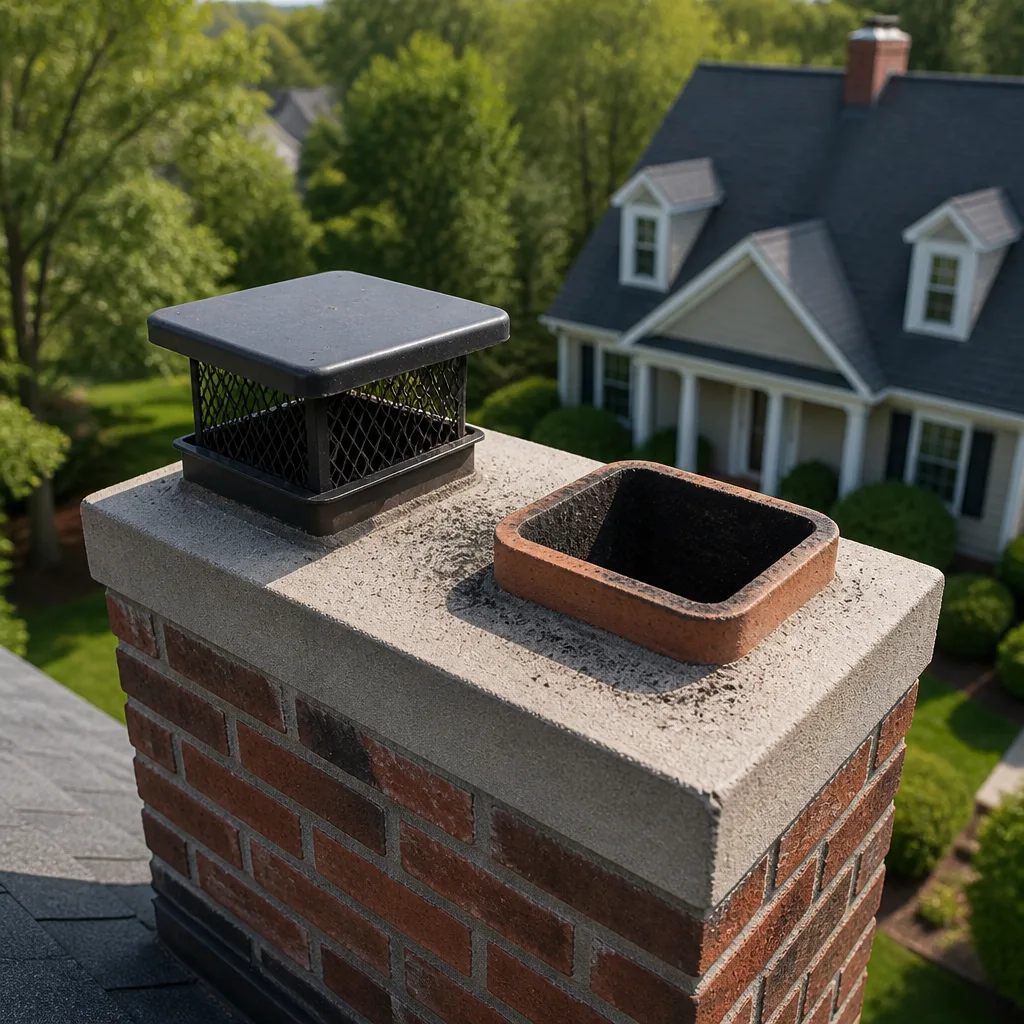 Sweep & inspection
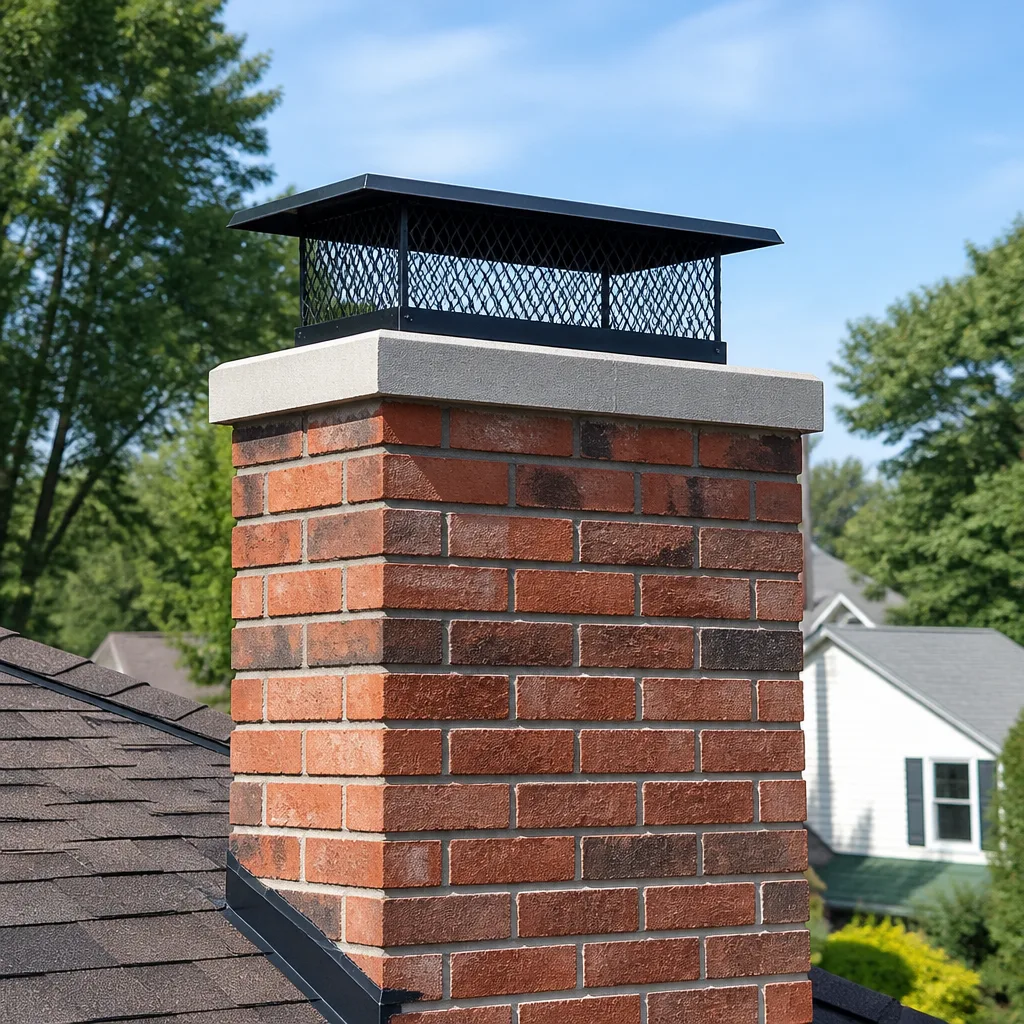 Caps & crowns
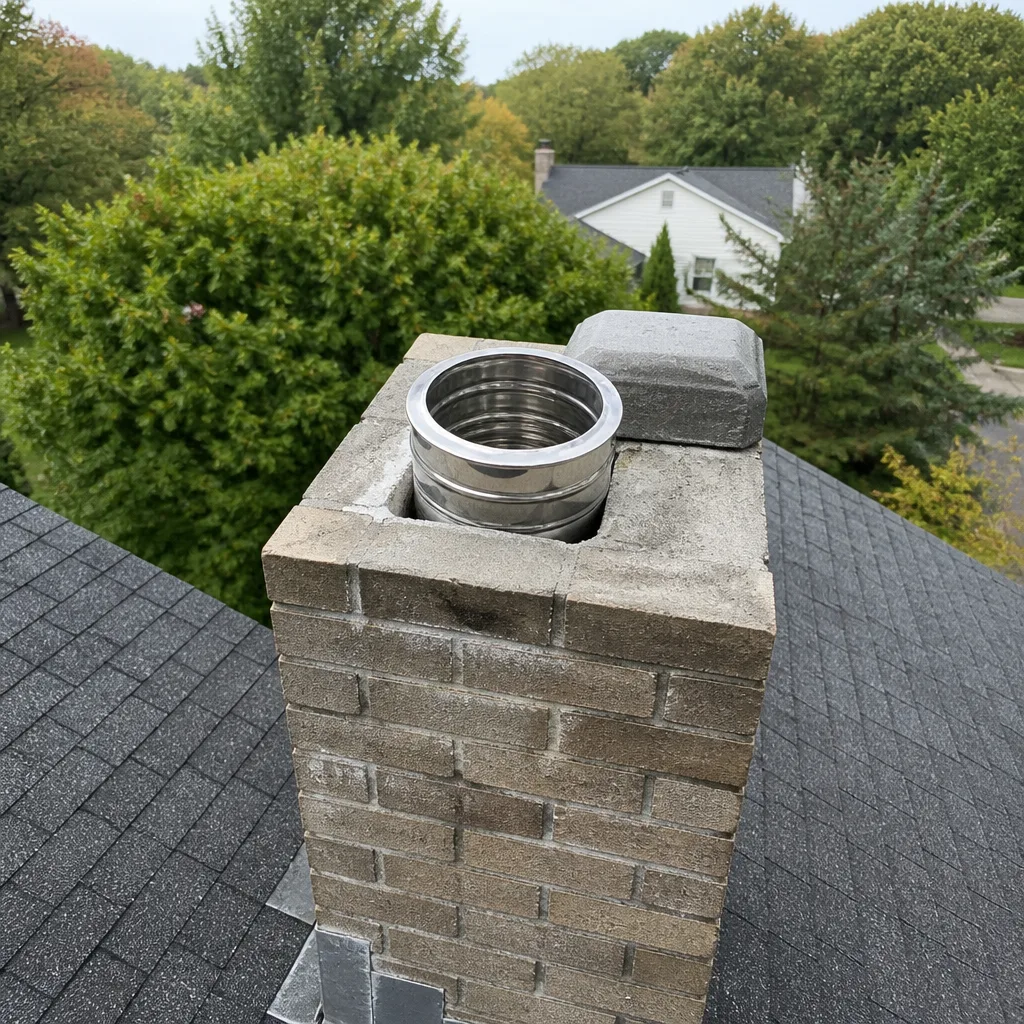 Flue relining
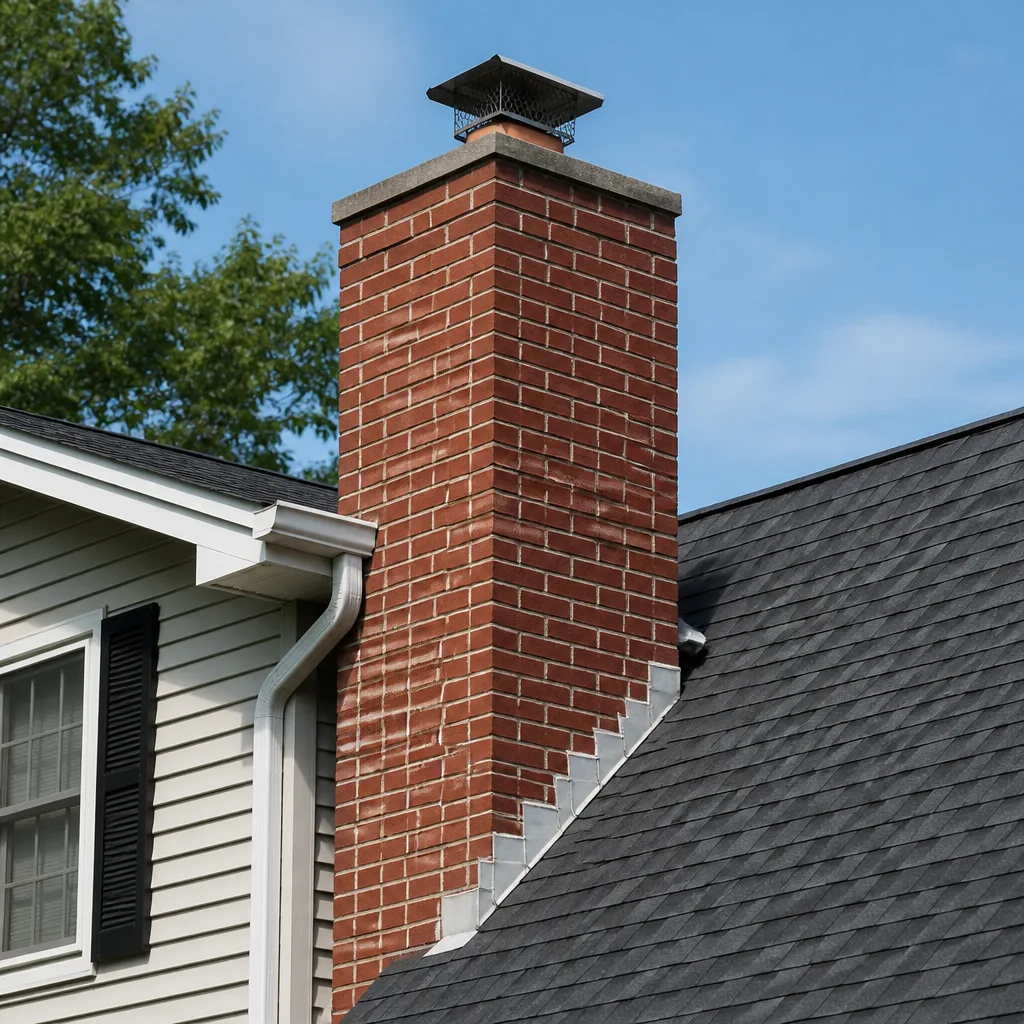 Masonry repair
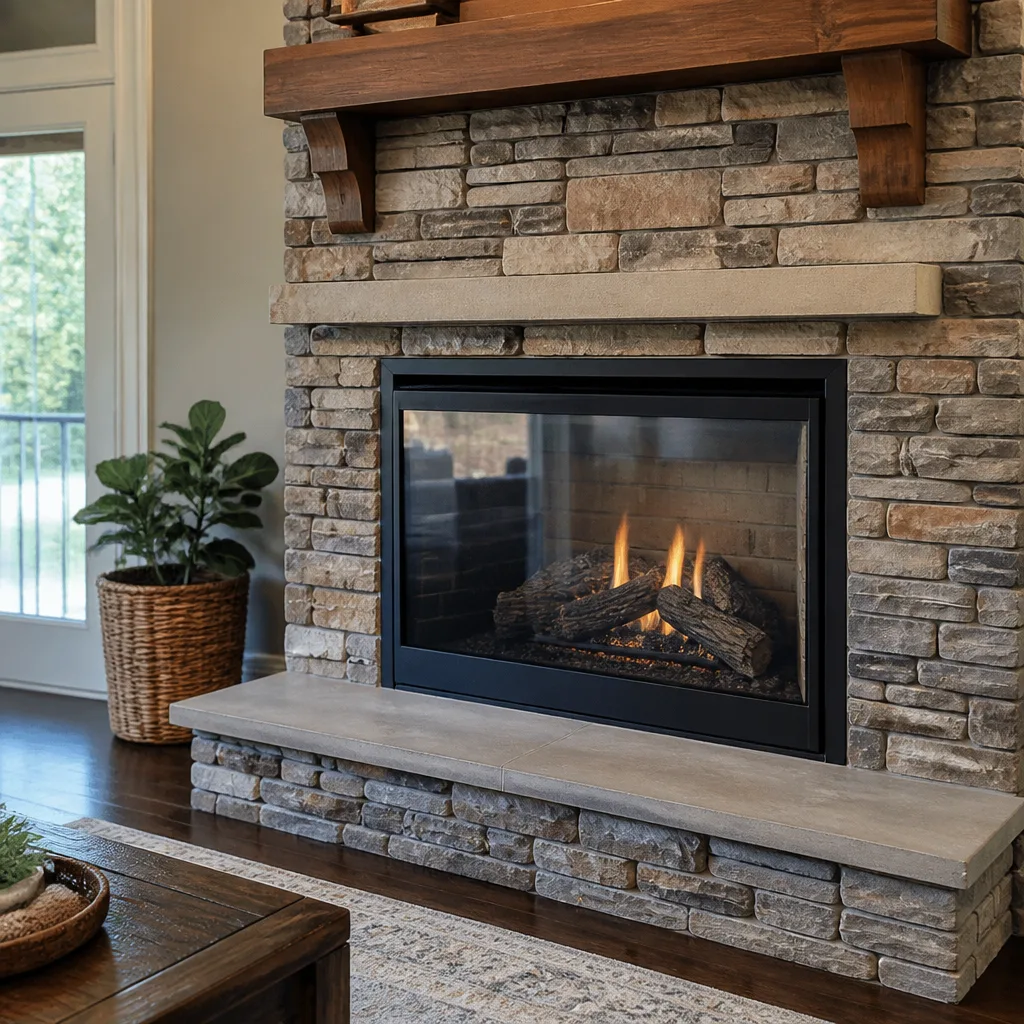 Gas fireplace service
Level 1 sweep and inspection to the NFPA 211 annual standard - flue, crown, cap, and flashing checked and photographed
Chimney sweep logs do not sweep chimneys. They loosen some creosote - which then falls where a brush and vacuum still have to collect it.
DIY vs Professional Chimney Cleaning: The Miramar Homeowner’s Decision Guide
Chimney brush kits sold at hardware stores are built for one narrow case: a straight, unobstructed flue in good condition. If your Miramar home has a prefabricated fireplace, an offset flue, or any existing liner damage, running a brush through it without knowing what’s inside can dislodge debris straight into the firebox or widen a crack you didn’t know was there. The real decision isn’t “should I clean my own chimney or hire someone.” It’s whether your specific chimney is in a condition where brushing is even the right move. This guide gives you the honest decision tree, the tool comparison, the climate factors that matter here, and five questions to answer before you buy a brush.
Quick Answer
For most Miramar homeowners, professional chimney cleaning is the safer call because the sweep is only half the job. A proper service includes inspection, camera assessment, cap evaluation, and creosote stage identification, and those are exactly the things a hardware-store brush kit can’t do. DIY brushing is genuinely reasonable only when a recent professional inspection has already confirmed your liner is intact, your flue is straight, and no animals have taken up residence. If you can’t confirm all three, book a chimney sweep instead.
Styles & brands we work with
- Sweep & inspection
- Caps & crowns
- Flue relining
- Masonry repair
- Gas fireplace service
Table of Contents
- What a Chimney Sweep Actually Involves
- When DIY Brushing Is Genuinely Reasonable
- What DIY Kits Don’t Cover in Florida’s Humid Climate
- Tools and Equipment: Home Store vs Professional Sweep
- The Liability Reality of DIY Chimney Work
- The Five-Question Go/No-Go Framework
- Creosote Stages and Why Identification Matters
- How a Professional Visit Runs in Miramar
What a Chimney Sweep Actually Involves
Here’s the part most DIY guides skip: a professional sweep is not just brushing. Brushing is the last step, not the whole job. The work that comes before it is what tells you whether brushing is safe and whether anything else needs attention.
A proper service starts by getting the flue ready so debris doesn’t end up in the living room. We lay drop cloths, seal the firebox opening, and set up a shop vacuum rated for fine soot. Then we brush from the top down or the bottom up depending on the flue’s configuration, using the correct diameter and stiffness for the liner material. A stiff poly brush on a stainless liner and a stiff poly brush on a clay-tile flue are not the same tool.
After the brush work, the inspection begins. This is where the real value sits:
- Camera assessment of the flue from top to bottom, so we can see cracks, gaps at tile joints, and any offset in the flue path that a brush would catch on.
- Creosote stage identification, since stage three glazed creosote doesn’t come off with a brush and needs chemical treatment or mechanical rotary cleaning.
- Cap evaluation, because a missing or damaged cap is the number one way rain, birds, and squirrels get into a flue in Miramar.
- Draft and smoke-chamber checks, so you know the fireplace will actually draw after the sweep.
- A written report with photos, so you have documented evidence of what’s inside your chimney.
That report is the difference between cleaning blind and cleaning with information. Call (866) 942-9444 for an exact quote on a full sweep and inspection.
When DIY Brushing Is Genuinely Reasonable
We’re not going to tell you DIY brushing is never appropriate. There are specific conditions where it’s a defensible choice, and you’ll know because a professional has already confirmed the underlying structure is sound.
DIY brushing makes sense when all of the following are true:
- Your flue is a straight masonry flue with no offsets, no sharp angles, and no stovepipe transitions that would hang up a brush.
- A recent professional inspection confirmed your liner is intact, so you’re cleaning a sound structure rather than brushing a damaged one.
- No animal occupancy is present. A nest or animal lodged in the flue is a different job with a different set of risks.
- Your creosote is light to moderate, the flaky or dry soot type that comes off with normal brushing, not glazed stage three creosote.
- You’ve done it before or you’re being shown how by someone with real experience, so you’re not learning on your own flue.
If any of those five are false, DIY brushing starts to look less reasonable. A prefabricated fireplace with a factory liner is a common example where we steer homeowners away from DIY. The liner is thinner and more fragile than masonry tile, and a stiff brush in the wrong hands can score or tear it. Offset flues are another. A brush on a flexible rod can jam against the offset and, worst case, pull a chunk of creosote down into the firebox where it’s a fire hazard sitting a foot from your carpet.
Miramar has plenty of homes with brick masonry chimneys that date back decades and plenty of newer construction with prefabricated systems. The two are not the same job. If you don’t know which one you have, that’s the first thing to establish. Our Chimney Sweep Miramar team can tell you in one visit and give you a written assessment.
What DIY Kits Don’t Cover in Florida’s Humid Climate
A brush kit does exactly one thing. It brushes. The gaps between what a kit does and what a chimney actually needs are wider in Miramar’s humid subtropical climate than they would be in a dry, cold climate, and that’s the piece most generic DIY guides miss.
Here’s what a kit doesn’t do:
- Identify creosote stage. Stage one is flaky soot. Stage two is hardened. Stage three is glazed and glassy, fused to the liner wall, and a brush passes right over it without removing it. Brushing stage three creosote and calling it a clean chimney leaves the most combustible layer right where it was.
- Assess the cap. A missing or loose cap lets rain into the flue. In a humid climate, a wet flue stays wet longer and corrodes metal components faster than in dry air. Cap evaluation is not something a brush can do, but it’s part of every professional sweep for a reason.
- Camera-inspect the liner. The cracks that matter are the ones you can’t see from the firebox. A camera reveals them in a few minutes. Brushing a cracked flue can push creosote deeper into the cracks.
- Check for animal occupancy. A nest blocking the flue is a different problem than a clean flue that needs brushing, and running a brush into a nest without knowing it’s there can jam the brush and dislodge the whole nest at once.
- Evaluate draft after cleaning. Smoke-chamber geometry, flue height, and nearby roofline obstructions affect draft. A hardware-store kit has no way to test it.
The humid climate also hits the outside of the chimney, not just the inside. Consistent moisture promotes efflorescence, spalling mortar, and rusted damper assemblies. None of that is visible from the firebox, and none of it gets noticed when the only person looking is the homeowner with a brush. A professional sweep looks at the whole chimney, not just the flue.
Tools and Equipment: Home Store vs Professional Sweep
If you want to understand why professional sweeps exist, look at the tool list. The comparison is stark, and it’s the clearest argument for booking a service when you’re not sure.
What a homeowner’s kit typically has:
- One poly brush and a handful of flexible rods
- No camera
- No creosote remover beyond the brush
- No way to reach past a certain rod count, which means the top of the flue often doesn’t get fully brushed
- No sealant or firebox protection beyond a drop cloth
What a professional sweep brings:
- Poly brushes in multiple diameters matched to flue size and liner material
- Rotary cleaning heads for stage three glazed creosote
- Inspection cameras for full-length flue assessment
- Industrial HEPA vacuums rated for fine soot, so nothing migrates into the living space
- Access to professional-grade components when something needs replacing. When a cap is damaged or a component needs replacing, we install Gelco and Famco caps and venting, and where a flue needs work beyond a sweep, we use HeatShield ceramic resurfacing or DuraFlex and Olympia Chimney liner systems. Those aren’t stocked at a home improvement store and aren’t installed by a generalist.
That last point matters for the decision. If a DIY sweep reveals a cracked flue (which you’d only find with a camera), you’re going to need a repair, and a repair needs a professional. Doing the sweep yourself to save a service call and then needing a professional anyway means the sweep was the wrong place to save.
The Liability Reality of DIY Chimney Work
This is the section most articles leave out. Chimney fires are one of the most destructive things that can happen in a home, and homeowner’s insurance claims related to them get complicated when there’s no documented professional cleaning history.
That’s not a scare tactic. It’s how insurance claims work. When a chimney fire happens, the adjuster looks for evidence that the homeowner maintained the chimney properly. A documented professional sweep with photos and a report is exactly that evidence. A DIY sweep leaves no record at all. That doesn’t automatically void a claim, but it makes the conversation harder, and in a worst case a claim can be reduced or denied on the grounds of neglected maintenance.
The same logic applies if the DIY sweep itself causes damage. If a brush dislodges debris and cracks a liner, that damage is on the homeowner. If a professional sweep does the same, that’s on the professional, and a licensed and insured sweep service carries the liability. When you’re weighing DIY against professional, that liability shift is worth something real.
There’s also a legal dimension in some municipalities. Many jurisdictions require that chimney work meet local code, and some require a professional inspection for certain property transactions. We can’t tell you specifically what Miramar requires for your address. That’s a question for the city’s building department. But it’s worth asking, because in some cases a DIY clean that doesn’t follow code is a problem you inherit at sale.
Keep a paper trail regardless of which path you choose. If you DIY, photograph the brush run, note the date, and keep the receipt for your brush kit. If a professional does it, keep the written report and photos. Five years from now, that record is the difference between a smooth insurance conversation and a hard one.
The Five-Question Go/No-Go Framework
If you want a clean decision rule, answer these five questions honestly. Any “no” or “I don’t know” is a signal to call a professional instead of buying a brush.
- Has a professional inspected this chimney in the last year, and did they confirm the liner is intact? If you can’t answer yes with a written report in hand, no brush goes in the flue.
- Is your flue straight and unobstructed from top to bottom? Offsets, angled transitions, and stovepipe connections make DIY brushing risky. If you don’t know, you don’t know, and that’s a “no.”
- Is there any chance an animal is occupying the flue? A blocked flue is a different job than a maintenance sweep. Brushing into a nest can jam the brush and drop the nest onto the damper. Call a professional.
- Have you personally identified the creosote stage, or are you assuming it’s light? Stage three glazed creosote doesn’t come off a brush. If you’re assuming, you’re guessing, and guessing at a flammable layer inside your chimney is the wrong place to guess.
- Are you comfortable with the liability if something goes wrong? If the answer is “not really,” then a licensed and insured professional is the better call. That’s not a sales pitch. It’s the risk calculus.
If all five come back as a confident yes, DIY brushing is a defensible maintenance task for a straight masonry flue in confirmed good condition. If any of them is uncertain, the honest answer is that you don’t yet have the information needed to make the decision. Call a professional sweep, get the inspection, and you’ll know.
Our chimney repair team handles the cases where an inspection finds something that needs fixing, and our technicians have up to experience reading the signs a camera reveals. We’ll tell you when work can safely wait.
Creosote Stages and Why Identification Matters
Creosote is the residue left behind when wood smoke cools as it rises up the flue. It comes in three stages, and the stage your chimney reaches is the single most important factor in deciding whether brushing is enough.
Stage one: soot and flaky creosote. Loose, dusty, and lightly attached to the flue wall. This is what a brush removes most effectively. A homeowner with a straight flue in confirmed good condition can brush stage one themselves and get a real clean.
Stage two: hardened creosote. More compact and clinging. A stiff poly brush can remove most of it with enough passes, but it takes effort and the brush has to be matched to the flue. This is where DIY starts to become work rather than maintenance.
Stage three: glazed creosote. Glassy, hard, and fused to the liner wall. It is the most combustible form and the hardest to remove. A standard brush passes over it without taking it off. Removing glazed creosote requires rotary cleaning, chemical treatment, or in some cases relining because the liner itself has been compromised by repeated burning at temperature. A homeowner can’t remove stage three with a hardware-store kit, and brushing it without removing it gives a false sense of a clean chimney.
Here’s where the local climate matters. In a humid climate like Miramar’s, moisture lingers in the flue between burns, and wet creosote can undergo chemical changes that harden it faster. That doesn’t mean a Miramar chimney reaches stage three more often than anywhere else. It means that checking the stage rather than assuming it is more important, because the transition from stage two to stage three can happen on a chimney you’d otherwise think was just lightly dusty.
We can’t tell you which stage your chimney is at without seeing it. That’s why camera inspection is part of every professional sweep we do. Call (866) 942-9444 for a free estimate on a sweep and inspection.
How a Professional Visit Runs in Miramar
Whether you book a professional sweep or you’re still weighing it, knowing what the visit looks like helps. There are no surprises, and you can decide upfront whether the process is worth it to you.
- Booking and written estimate. We work from a written estimate before any work starts. Pricing is set per job, and nothing gets added without your agreement.
- Setup and protection. Drop cloths and a HEPA vacuum are set up before any brush goes into the flue. Nothing leaves the firebox that isn’t supposed to.
- Sweep. Brushes matched to the flue type and size run from bottom up or top down depending on the configuration.
- Camera inspection. The flue is inspected top to bottom, and the report includes photos you can see for yourself.
- Review and findings. We walk you through what we found in plain language. If a repair is needed, we show you the video evidence before recommending anything.
- Repair options, only if needed. Where a repair is called for, we install professional-grade components. HeatShield ceramic resurfacing for flue restoration. DuraFlex and Olympia Chimney liner systems for relining. Gelco and Famco caps and venting for cap and draft issues. These are the materials safety professionals across the trade specify, and they’re the reason a professional sweep can solve the problem instead of just reporting it.
That last point is the practical argument for a full-service sweep. A generalist handyman can reassess the chimney from the outside, but most have never applied HeatShield or specified a DuraFlex liner. A sweep service that works with these brands solves the problem in one visit rather than sending you off to find someone else.
If you’re already a homeowner in Miramar and just want an honest read on your chimney’s condition before you decide, that’s what we do. The inspection is the starting point, not the sale.
Common Mistakes to Avoid
- Brushing a prefabricated fireplace with a masonry flue brush. The factory liner in a prefabricated unit is thinner than masonry tile, and the wrong brush can score or tear it. Match the brush to the liner, or don’t brush it.
- Assuming a clean firebox means a clean flue. Soot on the firebox floor tells you nothing about the liner above it. Creosote accumulates up the flue where you can’t see it.
- Skipping the cap. A missing cap is one of the simplest things to fix and one of the most common reasons for water damage in Miramar’s humid climate. If your cap is loose, that’s a call even if the flue looks fine.
- Brushing into an animal nest. A blocked flue is a rescue job before it’s a sweep. Running a brush into a nest can jam the brush, drop the nest onto the damper, and leave you with a bigger problem than you started with.
- Treating glazed creosote like flaky soot. Stage three passes under a standard brush. You can brush for an hour and come away thinking the chimney is clean when the most combustible layer is still on the wall.
- Doing a DIY sweep without documenting it. If there’s no record, an insurance adjuster has nothing to work with after a chimney fire. Photograph the work and keep the date, or better, get a professional report.
- Assuming the burn is fine because it drafts. Good draft is not proof of a clean flue. A partially blocked flue still draws. Property damage and carbon monoxide are not always visible from the firebox.
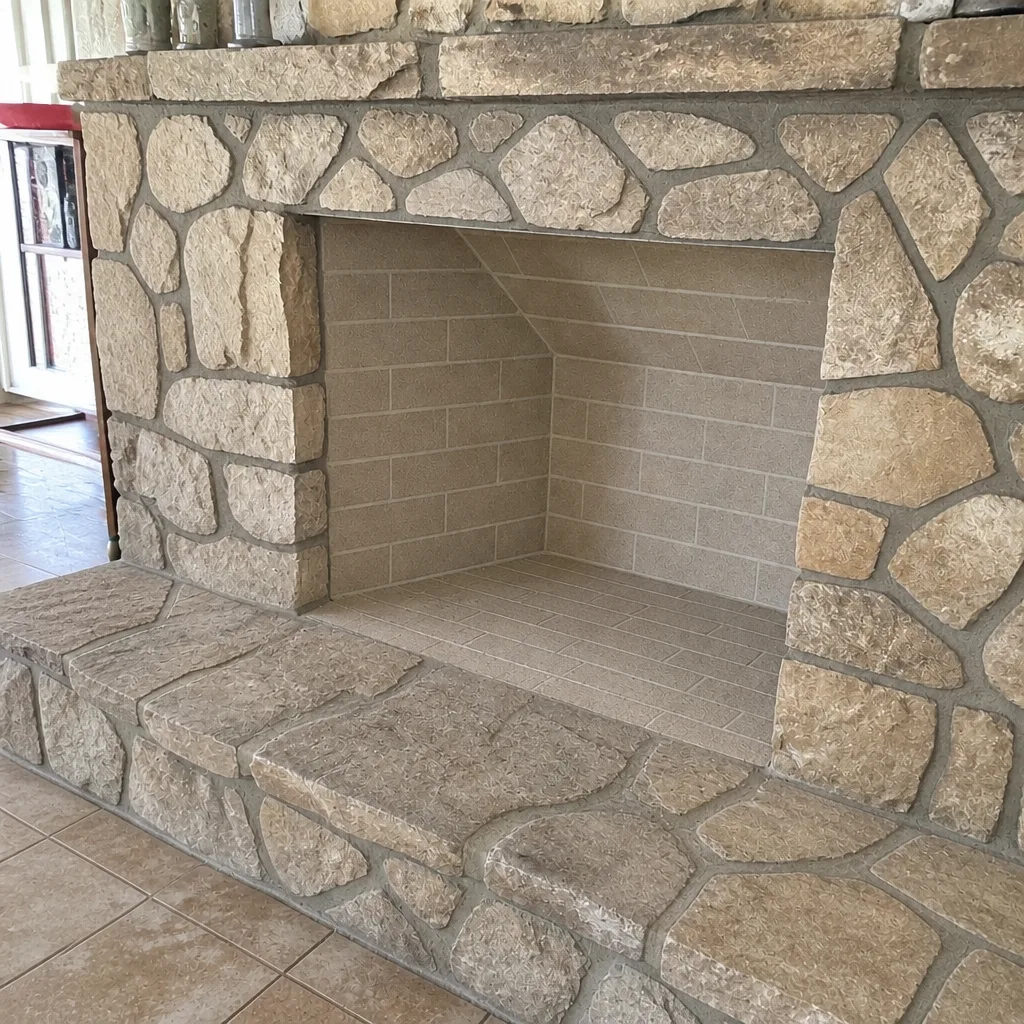
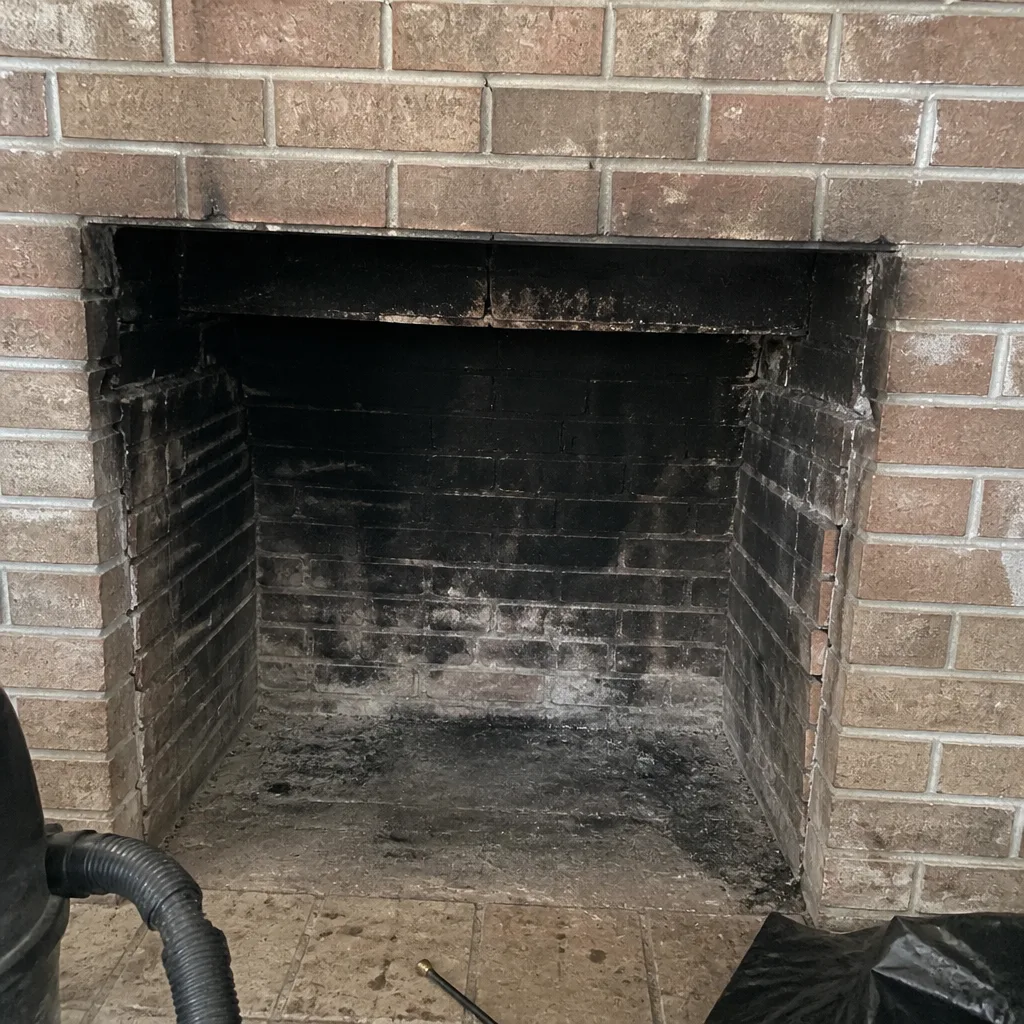
See the difference
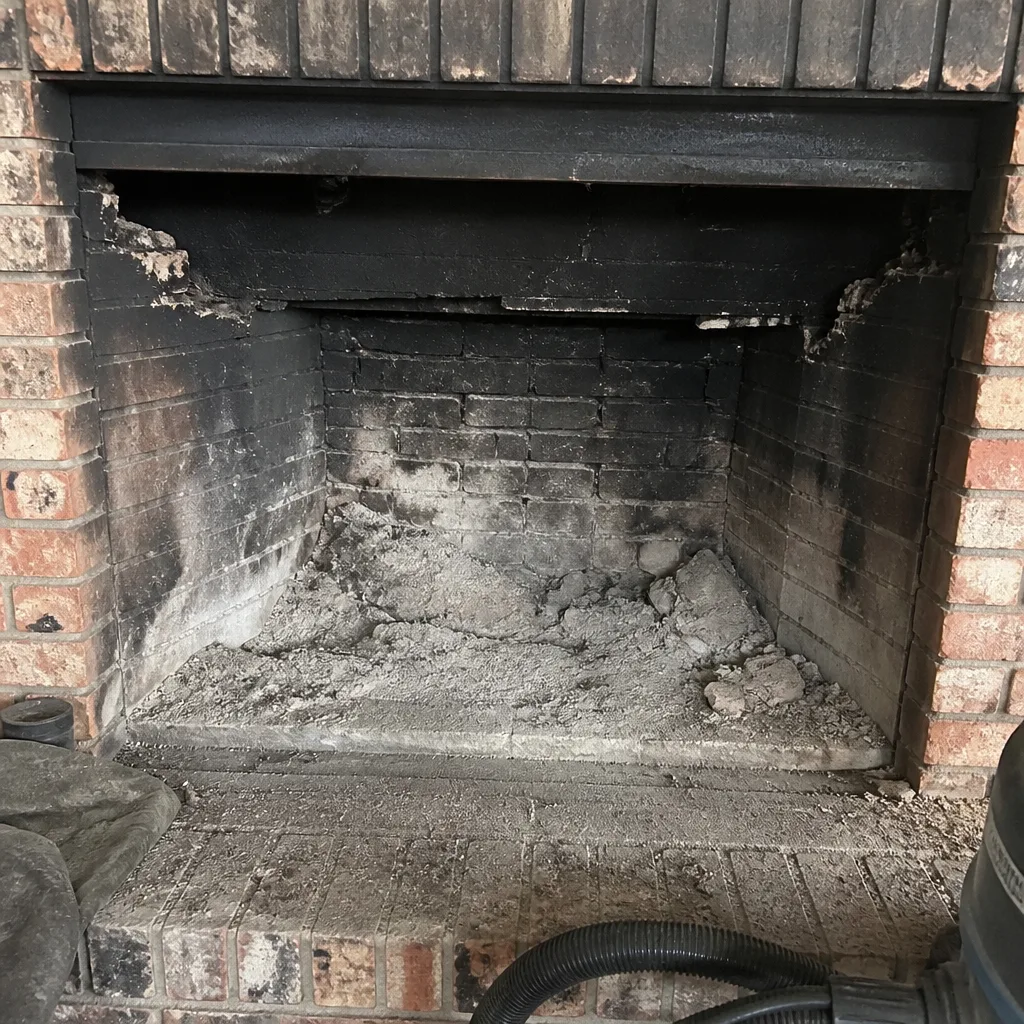 Before
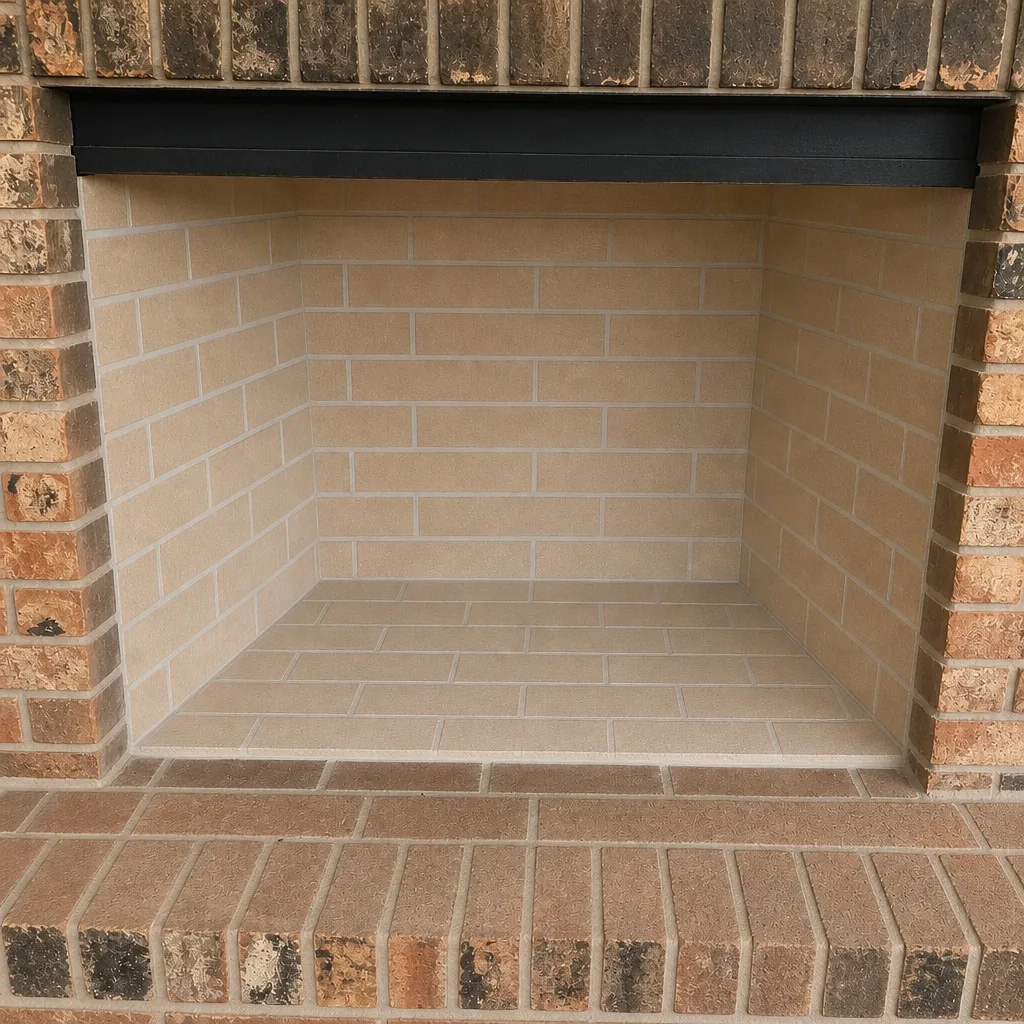 After
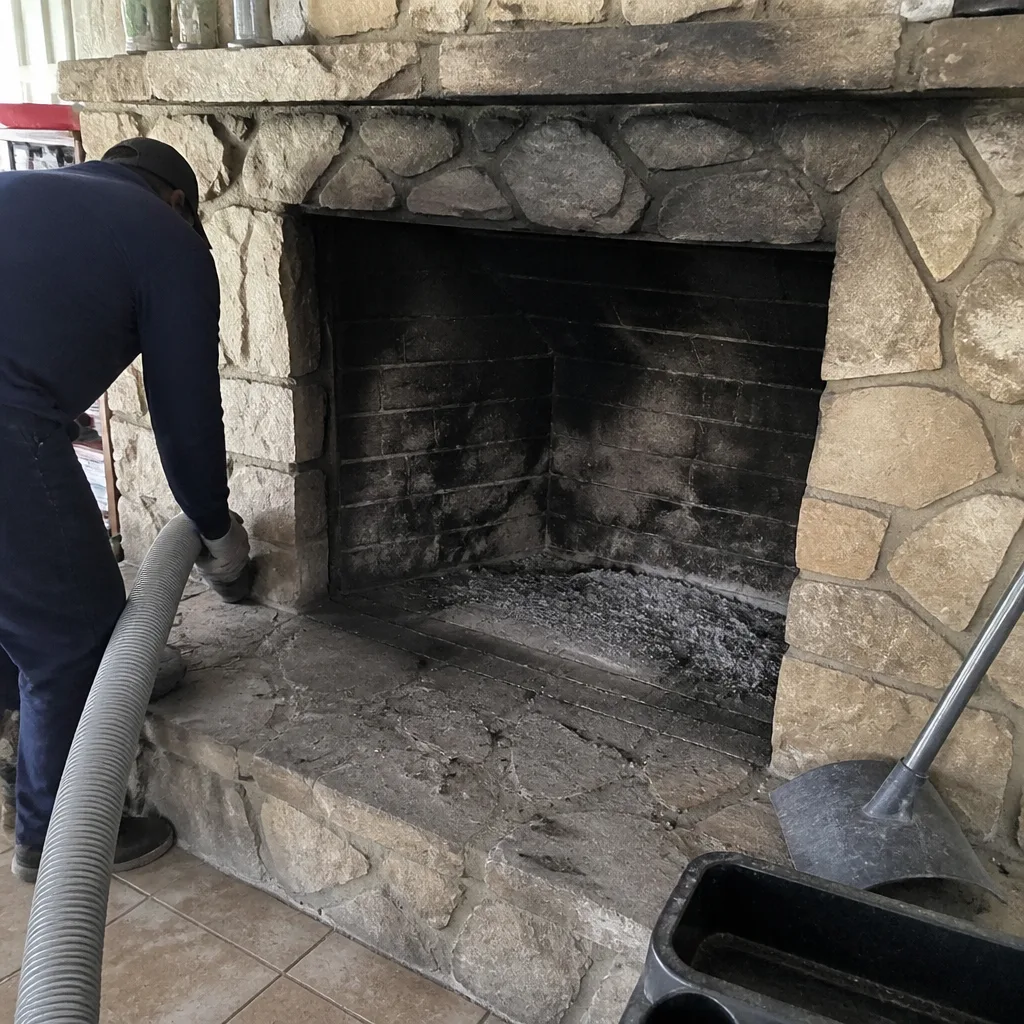 Before
 After
 Before
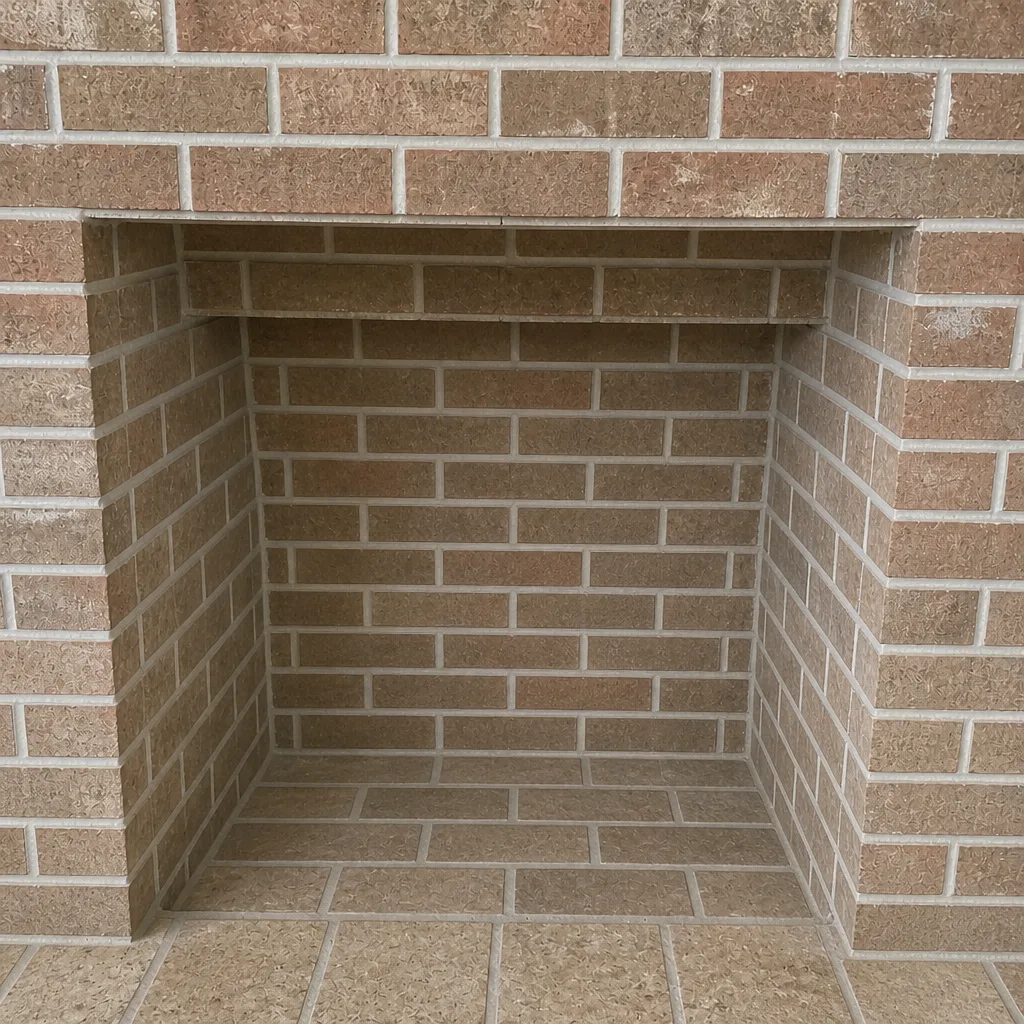 After
When to Call a Professional
If any of the following apply to your Miramar home, call a professional rather than DIY. Animal seen or heard in the flue or chimney. A liquid stain on the ceiling near the chimney chase (a sign of water intrusion). A chimney fire, even a small one. A prefabricated fireplace with a factory liner. Any flue with an offset or stovepipe transition. A strong odor from the firebox even when the fireplace is not in use. A cap that’s missing, loose, or visibly damaged. Any assumed creosote stage that has not been verified by inspection. Any question about draft.
A carbon monoxide detector alarm is an immediate call. Don’t run a fire until a professional has looked at the flue. Get everyone out of the house and call the fire department first if the alarm is active.
The chimney is one of the few parts of a home where you can’t see the failure coming. Carbon monoxide and chimney fires don’t announce themselves. Our Chimney Sweep Miramar team offers free estimates in Miramar. Call (866) 942-9444. We answer 24/7. Fast dispatch from 7am to 7pm, Sunday through Friday.
Frequently Asked Questions
Most wood-burning chimneys should be swept once a year, or more often if you burn heavily through the season. The standard rule among chimney professionals is annual inspection and sweep. If you burn a cord or more of wood per season, twice a year is not unusual. For Miramar homeowners who burn only occasionally, once a year with a camera inspection is the sensible baseline. Call (866) 942-9444 for an exact quote on a sweep.
You can, but only if all five go/no-go questions come back as a confident yes: straight flue, recent professional inspection confirming liner integrity, no animal occupancy, stage one or stage two creosote confirmed, and comfort with the liability. If any of those is uncertain, a professional sweep is the safer call. The cost of a sweep is small next to the cost of a chimney fire. Call (866) 942-9444 for a free estimate on a professional sweep.
A standard sweep and inspection is priced per job by written estimate. We can’t give you a number without seeing the chimney, because flue length, liner type, and creosote stage all affect the work. Estimates are free. Call (866) 942-9444 for an exact quote.
Only if the inspection shows the liner is actually compromised. A camera inspection tells us whether there are cracks, spalling, or gaps at the tile joints. We recommend a liner only when the evidence supports it, and we’ll show you the video before recommending anything. If work can safely wait, we’ll say so. Call (866) 942-9444 to book an inspection.
Creosote accumulates. Over one or two seasons without a sweep, the stage can progress from flaky to glazed, and glazed creosote is what fuels chimney fires. Carbon monoxide exposure is the other risk: a blocked flue can send exhaust back into the house even if the fire seems to burn fine. Neither risk is visible from the firebox. Call (866) 942-9444 to book a sweep before burning season.
Generally, no. Prefabricated fireplaces use a thinner factory liner than a masonry flue, and a stiff masonry brush can score or tear it. The liner has to be matched to the brush, and the creosote stage has to be identified. That’s a professional job. If your Miramar home has a prefabricated fireplace, book a sweep rather than a brush. Call (866) 942-9444 for a free estimate.
The Bottom Line
DIY chimney brushing is not a blanket no. It’s a yes under specific conditions: a straight masonry flue, a recent professional inspection confirming liner integrity, no animals, confirmed light creosote, and a homeowner ready to take on the liability. Under those conditions, brushing between professional visits is reasonable. Under any uncertainty, it’s the wrong place to save money. The gaps that matter are inspection, camera assessment, cap evaluation, and creosote stage identification, and every one of those is part of a professional sweep for a reason. A documented professional history is also the record that makes an insurance claim straightforward if something ever goes wrong. If you want a straight answer about your own chimney in Miramar, the inspection is the starting point, and it’s free to ask.
Call (866) 942-9444 for a free estimate. We answer 24/7. Fast dispatch from 7am to 7pm, Sunday through Friday. Every sweep includes a camera inspection and a photo report, and nothing gets recommended without evidence you can see for yourself.
Written by the team at Chimney Sweep Miramar.