
Last updated November 16, 2026
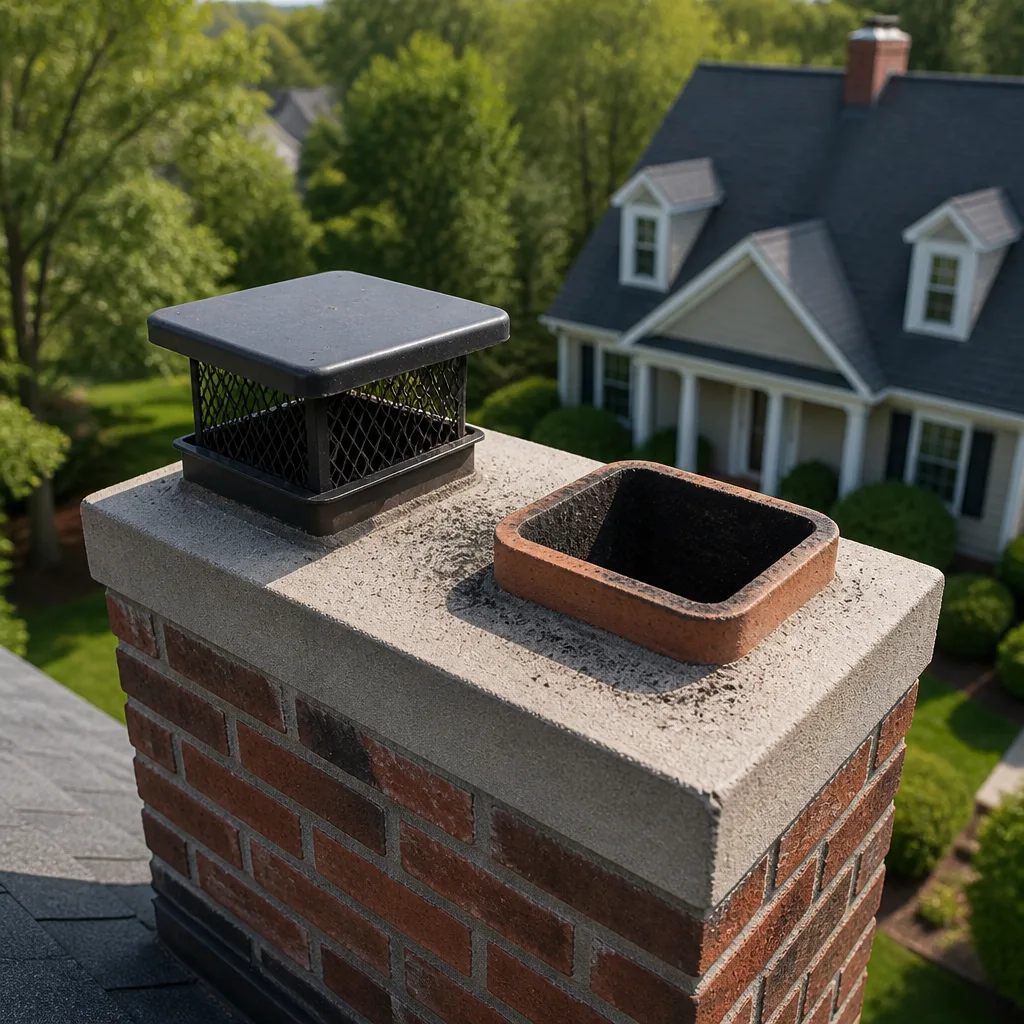 Sweep & inspection
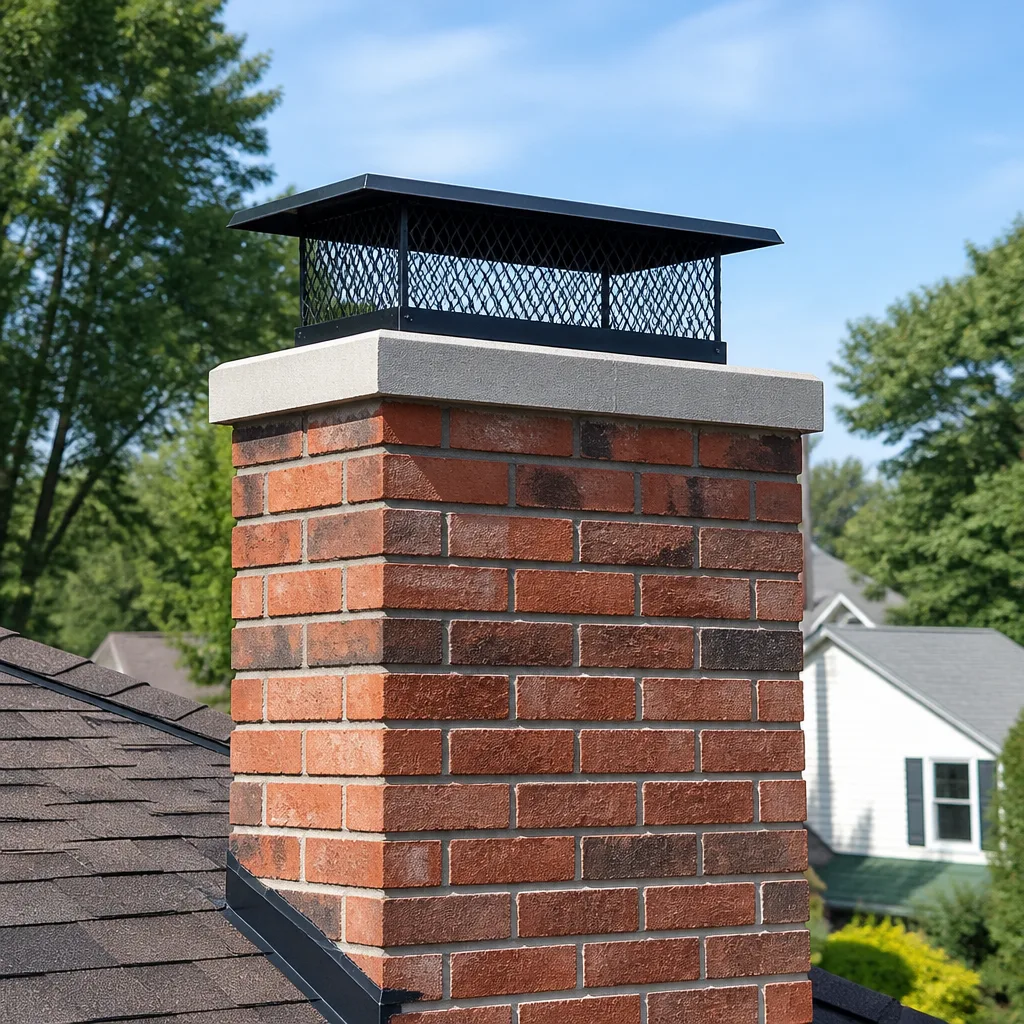 Caps & crowns
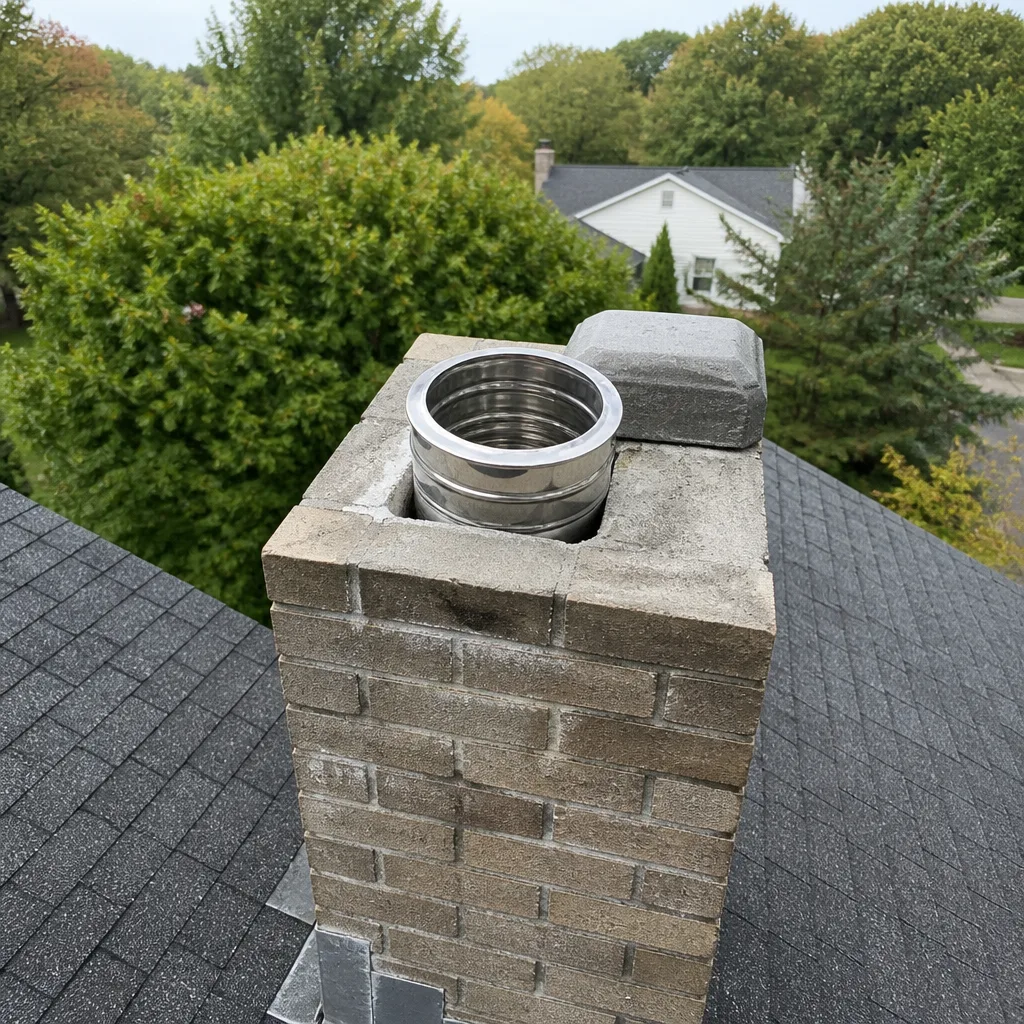 Flue relining
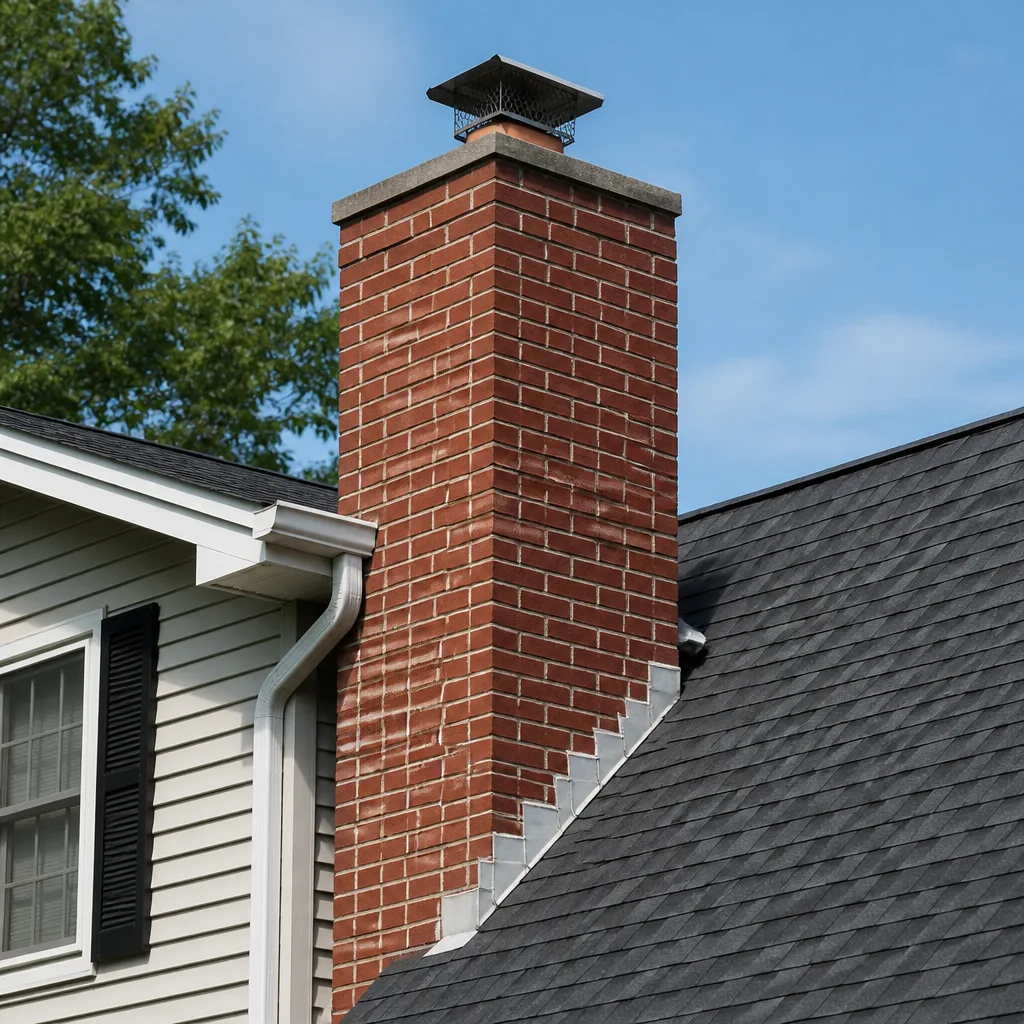 Masonry repair
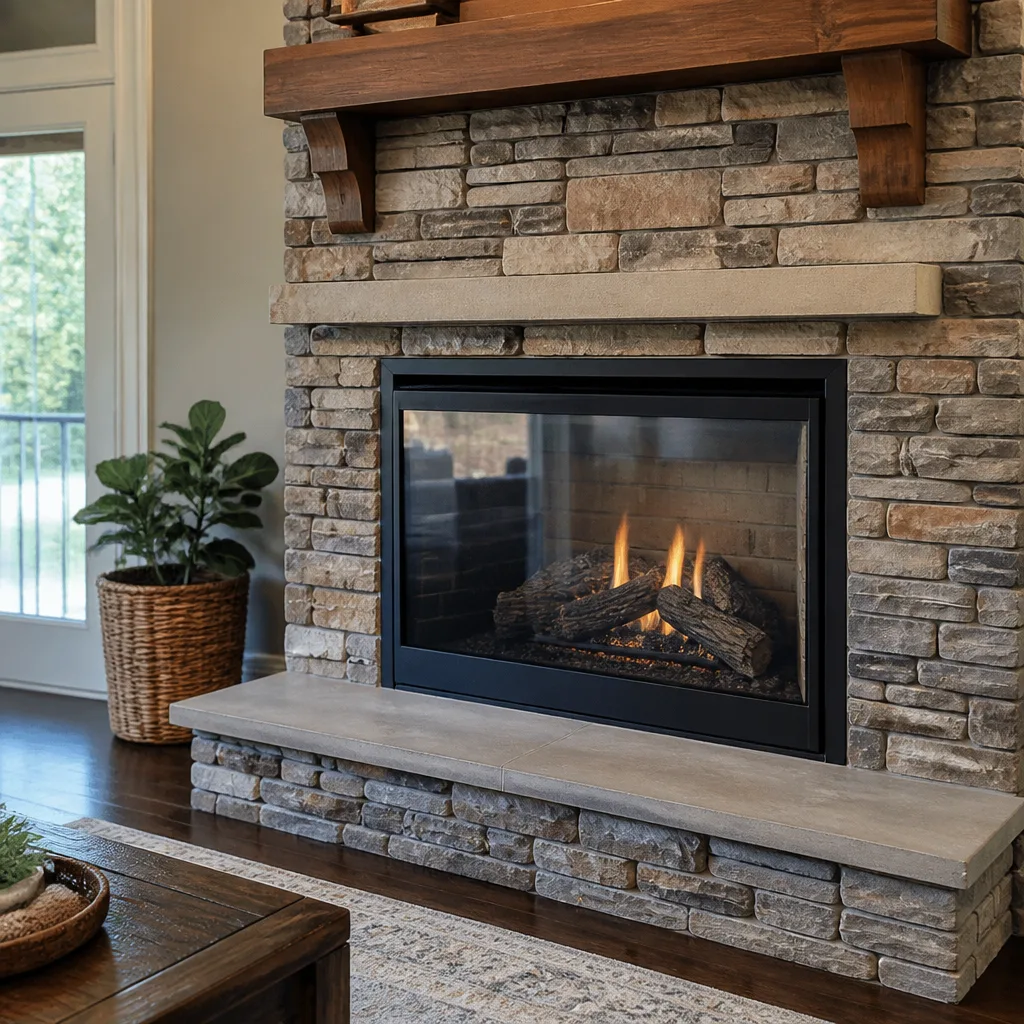 Gas fireplace service
Level 1 sweep and inspection to the NFPA 211 annual standard - flue, crown, cap, and flashing checked and photographed
Chimney sweep logs do not sweep chimneys. They loosen some creosote - which then falls where a brush and vacuum still have to collect it.
Chimney Sweep Troubleshooting in Miramar: Common Problems and How to Fix Them
If you light your fireplace in December and immediately smell something musty or see smoke backdraft into the room, the problem almost certainly isn’t creosote. It’s what happened to your flue during the other eleven months it sat idle in South Florida humidity. That’s the counterintuitive truth about chimney trouble in Miramar: the long off-season does more damage than the handful of fires you actually burn. Moisture wicks into masonry, birds and squirrels move into uncapped flues, and a tight house built for air conditioning fights every fire you light. This guide walks you through diagnosing the real root cause before you book anyone, so you know what you’re actually dealing with.
Quick Answer
Most chimney problems in Miramar come from moisture intrusion, wildlife, and negative air pressure, not soot. Diagnose the root cause first: look for white powder or crumbling mortar (moisture), nesting debris or scratching sounds (animals), or smoke that rolls back into the room (pressure). A sweep cleans the flue, but it won’t fix a missing cap, a cracked crown, or a house that’s pulling its own smoke indoors.
Styles & brands we work with
- Sweep & inspection
- Caps & crowns
- Flue relining
- Masonry repair
- Gas fireplace service
Table of Contents
- Moisture Damage vs. Creosote: How to Tell Them Apart
- Why Backdrafting Happens in Miramar Homes
- A Safe Visual Checklist From the Firebox Opening
- Animal Intrusion: Signs and Why Sweeping Isn’t Enough
- Urgent Problems vs. Problems That Can Wait
- What an Annual Inspection Actually Catches
- The Two Different Repair Paths
Moisture Damage vs. Creosote: How to Tell Them Apart
These are two completely different problems with two completely different repair paths, and homeowners mix them up constantly. Creosote is a combustion byproduct: tar-like, brown or black, built up from burning wood. Moisture damage comes from water entering the chimney from outside and working through the masonry from within. In a Miramar home, the off-season humidity and heavy summer rain make moisture the far more common culprit. Here’s how to tell which one you’re facing.
- Efflorescence: a white, powdery stain on the chimney’s exterior brick. This is water pushing mineral salts out of the masonry. It’s moisture, not soot.
- Spalling: brick flaking or crumbling and dropping away. Water absorbed into the brick expands and breaks the face off. Again, moisture.
- Rust on the damper or firebox parts: metal components corroding. This points to water sitting in the flue, usually from a failed cap or a cracked crown.
- Crumbling mortar joints: receding or sandy mortar between bricks. Water dissolves the mortar over time.
- Creosote: dark, sticky or flaky residue inside the flue itself, visible from the firebox or the cap. This is the combustion byproduct and the fire-risk material.
- Musty smell: damp, earthy odor even when there’s no fire. Usually moisture in the masonry.
If you see the first four signs, a sweep alone won’t solve your problem. The masonry needs to dry out and the water entry point needs to be closed. If you see creosote, cleaning is the priority and then we look at why it built up. When moisture damage has caused cracking or broken firebox material, that’s a repair job, and this is where a proper chimney repair differs from cleaning. We use HeatShield, a ceramic resurfacing system that restores the flue’s interior surface rather than patching it with generic mortar.
Why Backdrafting Happens in Miramar Homes
Smoke rolling back into the room is one of the most common complaints we get, and it’s rarely a dirty flue. In Miramar, backdrafting is usually a negative air pressure problem. Modern homes here are built tight for air conditioning: sealed windows, weather-stripped doors, exhaust fans in the kitchen and bathrooms. That tightness means every fan you run pulls air out of the house, and the makeup air has to come from somewhere. Often it comes down your chimney, pushing smoke back into the room instead of drawing it up and out.
Here’s how to check whether pressure is your problem:
- Light a small fire or a candle in the firebox with the damper fully open.
- Turn on the kitchen exhaust fan or the bathroom fan.
- Watch the smoke. If it gets worse or starts drifting into the room, you’re pulling negative pressure.
- Turn the fans off and crack a nearby window an inch. If the smoke rises again, pressure is confirmed.
Cracked windows are a temporary fix, not a solution. The real fix is usually a combination of things: a correctly sized flue liner that matches your appliance, a proper cap that doesn’t restrict draft, and sometimes more makeup air for the house. Some Miramar homes also have a short exterior chimney that never gets warm enough to draft well on a mild day. If your backdraft shows up on cool mornings and clears once the fire builds, that’s the flue failing to warm. Insulated flexible liner systems like DuraFlex help hold flue heat and stabilize draft, and that’s a fix a sweep alone can’t deliver.
A Safe Visual Checklist From the Firebox Opening
You can learn a lot without climbing anything or opening the flue interior. Everything here is observed from the firebox opening or from the ground outside, safely. Don’t reach up into the flue, don’t pull out insulation, and don’t put a camera up there yourself; leave the flue interior to a technician with lights and a camera.
- Look up from the firebox with a flashlight. Do you see daylight? Do you see a straight, even channel, or does the flue look blocked, cracked, or uneven? Note it.
- Check the damper. Open and close it. Does it move freely, or is it stuck, rusted, or eaten away at the edges?
- Inspect the firebox walls. Look for cracked bricks, crumbling mortar, or white powdery staining.
- Smell the firebox. A musty or damp smell points to moisture. An ammonia-like smell points to animals.
- From the ground outside, look at the chimney top. Is there a cap? Is the crown (the concrete slab on top) cracked or missing chunks? Is the exterior brick powdery or flaking?
- Look at the ground around the base. Any debris, twigs, or dark staining where water is running down and pooling?
Write down what you find and take a photo of anything that looks off. When you book a chimney sweep, that checklist lets the technician start in the right place instead of guessing. It also protects you from a sales pitch: you already know what’s wrong, so you can follow the evidence.
Animal Intrusion: Signs and Why Sweeping Isn’t Enough
A flue is a warm, protected, vertical cavity with an opening at the top. To a bird, squirrel, or raccoon, that’s a home. And in Miramar’s long off-season, when the fireplace sits unused for most of the year, that cavity is empty for months and much more tempting. Animal intrusion is one of the most common problems we diagnose, and it’s one a chimney sweep alone can’t fix. Sweeping clears nesting debris out of the flue, but it doesn’t stop the next animal from moving back in.
Signs you may have an animal in the chimney:
- Scratching or rustling sounds, especially when the house is quiet or when something disturbs the chimney.
- Ammonia-like smell from the firebox. This is urine and droppings, and it’s a strong sign of nesting.
- Nesting debris at the top of the flue, or twigs and straw dropped around the roofline.
- Birds or squirrels seen at the chimney top.
- A blocked flue that won’t draw. A nest can plug the flue completely, which is dangerous if you light a fire.
The fix has two parts, and both are necessary: remove the occupants and the debris, then cap the flue so it doesn’t happen again. A properly installed cap is designed for your flue size and it’s the single most important long-term protection. We stock and install Gelco and Famco caps and venting components, so a cap replacement isn’t a “we’ll order it and come back” job. The Miramar climate also means nesting material stays damp, which can rot and hold moisture against the flue walls.
Urgent Problems vs. Problems That Can Wait
Not every symptom needs a call today. Some are genuinely urgent, and some can wait for a scheduled annual visit. Here’s how we sort them.
Call for immediate professional attention if you see:
- Heavy, sticky creosote in or near the flue connection. Creosote can ignite.
- Smoke entering the room when a fire is burning, especially if it continues after the flue warms up.
- Visible cracks in the flue, firebox, or chimney exterior with missing mortar.
- Cracked or missing crown, or a flue with no cap, allowing water and animals in.
- A blocked flue. Never light a fire with an obstruction.
These can usually wait for a scheduled visit:
- White efflorescence staining on exterior brick with no crumbling.
- A musty smell without rust, cracking, or water pooling.
- Light surface soot with no heavy tar.
- A slightly sticky damper, with no visible rust or damage.
When in doubt, call and describe what you’re seeing. A phone description often tells us whether the job is a cleaning, a repair, or something bigger. Booking a sweep and inspection together means we assess the whole chimney in one visit, and you get the findings in plain language before any work begins. You can reach us at (866) 942-9444. We answer 24/7, and fast dispatch runs from 7am to 7pm.
What an Annual Inspection Actually Catches
An inspection isn’t just “look and tell you it’s dirty.” It’s a documented assessment of the parts of your chimney you can’t see from the firebox: the flue interior, the liner, the crown, the cap, the flashing at the roofline, and the damper assembly. In a humid climate with a short burning season, that check matters more, because the damage accumulates while the chimney is idle. What we look for:
- Flue interior condition: cracks, gaps, and degraded liner material.
- The crown: cracks that let water into the masonry.
- The cap: missing, damaged, or the wrong size for the flue.
- Flashing and mortar: gaps at the roofline where water gets in.
- The damper and firebox: rust, corrosion, and blocked air paths.
- Obstructions: nesting debris, fallen mortar, or animal material.
We show you what we find. A camera inspection and photo report become your evidence: you see the problem before you approve any work. You’re not told you need repairs you can’t verify. That’s the difference between an inspection report and a sales call. If everything checks out, you get the record of it. If something needs attention, you see why. We use professional-grade equipment and materials, not whatever’s cheapest at the supply house.
The Two Different Repair Paths
Once the diagnosis is clear, the fix usually falls into one of two categories, and it helps to know which one you’re in before anyone quotes you.
Path 1: Combustion and draft problems
These are caused by the fire and the air around it: creosote buildup, a blocked flue, an undersized or damaged liner, insufficient draft, or negative pressure. The fix involves cleaning, relining if needed, and correcting draft. Flexible liner systems like DuraFlex are how a damaged or undersized flue is brought to a proper size for the appliance, and a correct cap stabilizes flow. A sweep clears the path; the liner keeps it right.
Path 2: Moisture and structural problems
These come from water and the building envelope: efflorescence, spalling, crumbling mortar, rusted damper parts, a cracked crown, or a missing cap. The fix is keeping water out and repairing the damaged masonry. That might mean a crown repair, a cap installation, repointing, or resurfacing a damaged flue interior. When the flue interior needs restoration, HeatShield ceramic resurfacing is the system we use because it forms a smooth, durable barrier rather than a thin patch that fails in a season.
Many chimneys have both problems at once. That’s why the diagnosis comes first and the quote covers the actual work, not a guess. A generalist handyman may only recognize Path 1 and miss the moisture damage entirely, or vice versa.
Do You Really Need to Sweep a Chimney You Barely Use?
Yes, but for different reasons than you’d expect. In a heavy-burning northern home, the sweep is mainly about creosote and soot. In Miramar, where the fireplace runs a few times a year, the sweep is often about clearing out what accumulated during the off-season: animal nesting material, leaves, fallen mortar, and the residue of damp air moving through the flue. A chimney that sits closed and unused for months still collects and degrades. Sweeping it, checking it, and capping it keeps the whole system sound and ready for the first fire of the season.
Does the humid climate really make a difference?
It does. Miramar’s warm, wet air and heavy summer rain stress the exterior masonry all season. Water enters through the smallest crack in the crown or mortar, evaporates into the flue, and the cycle repeats. The damage is slow and quiet. An annual inspection catches it while it’s still cheap to fix.
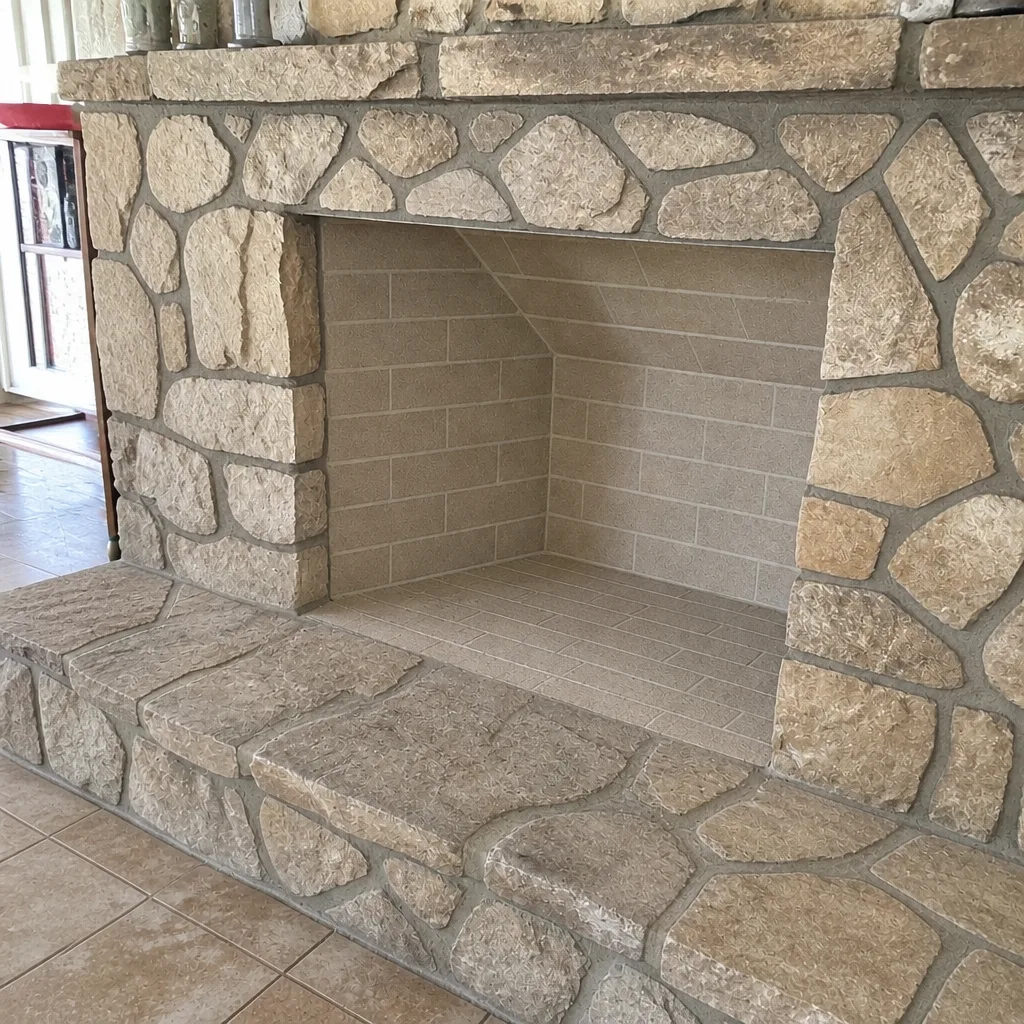
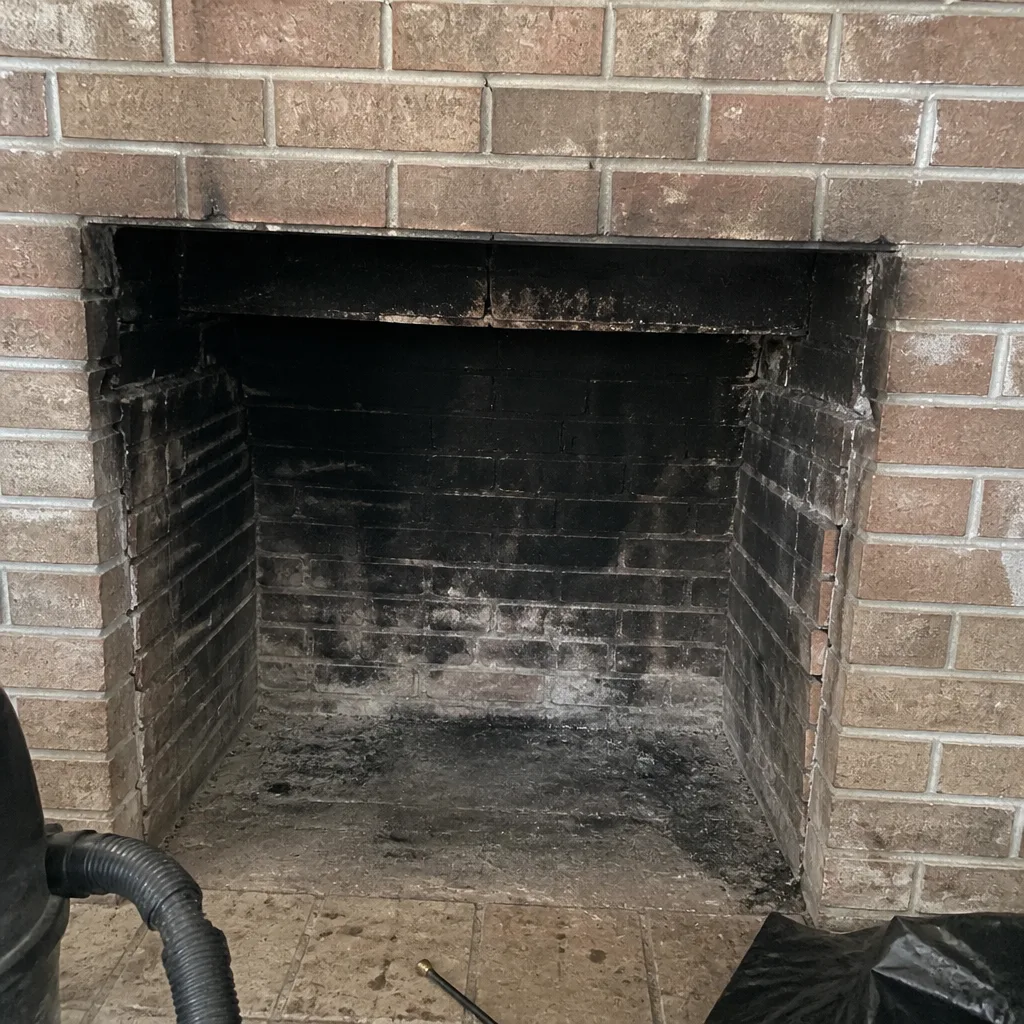
See the difference
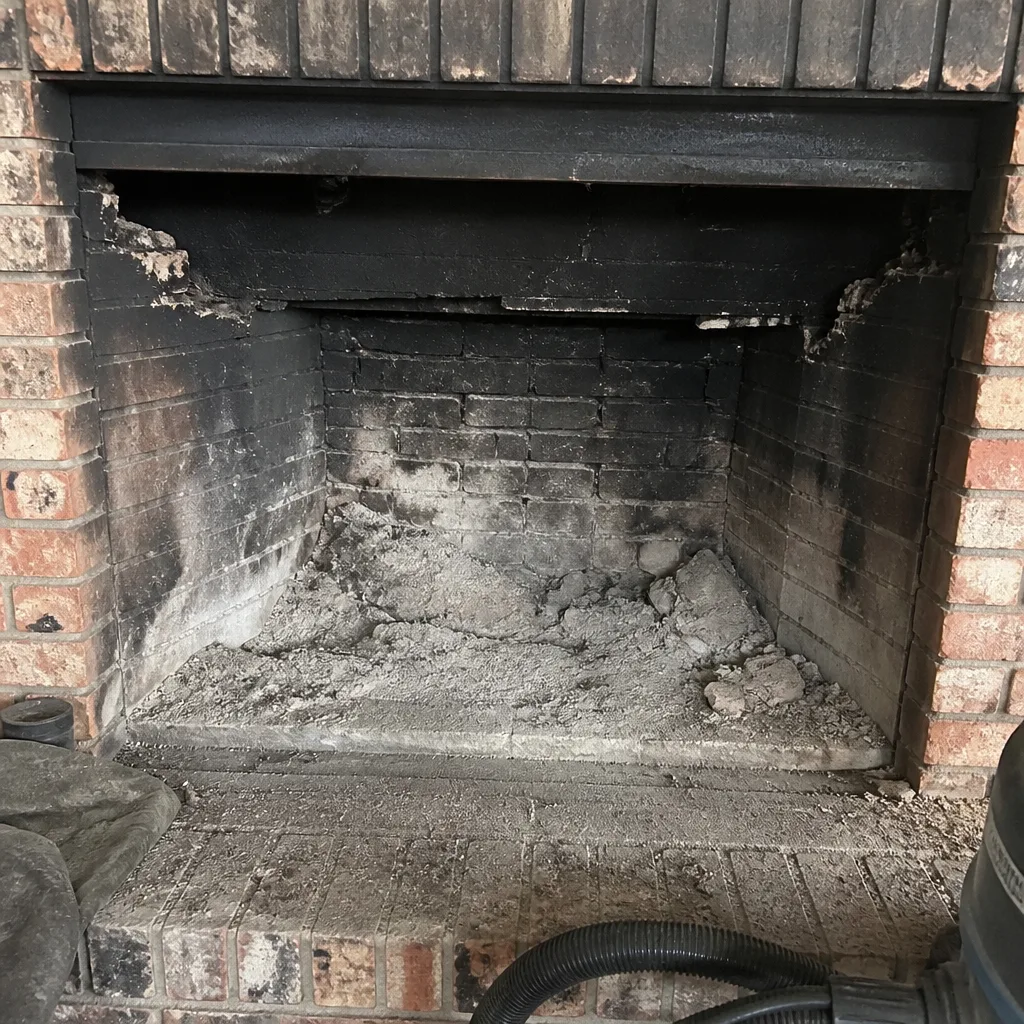 Before
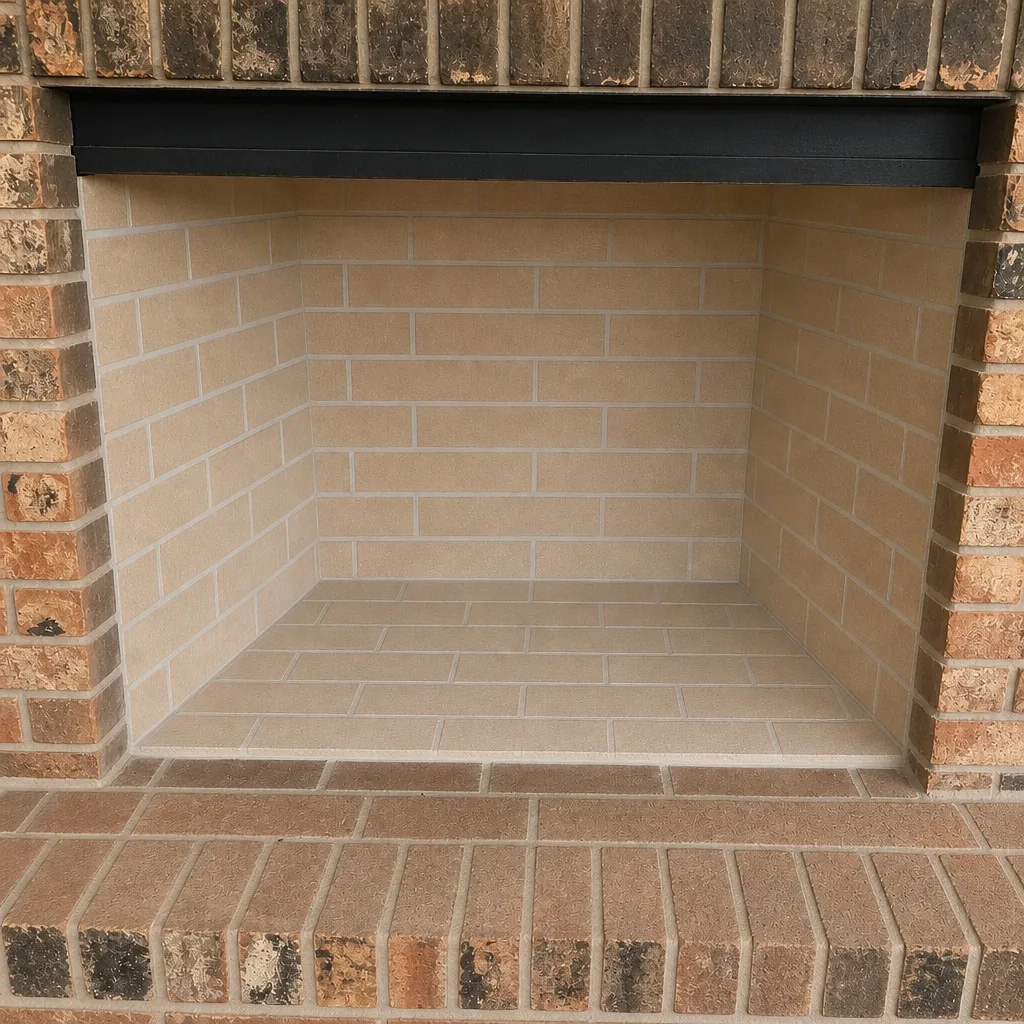 After
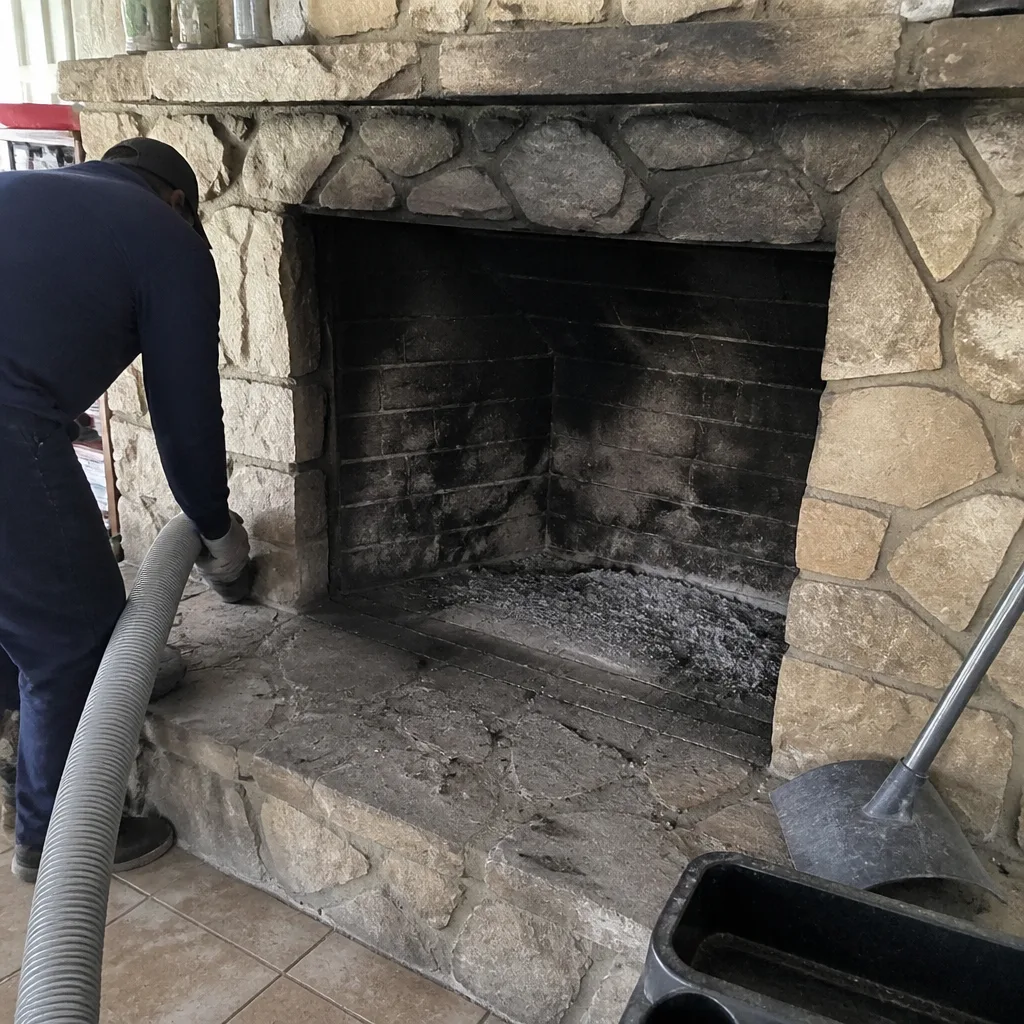 Before
 After
 Before
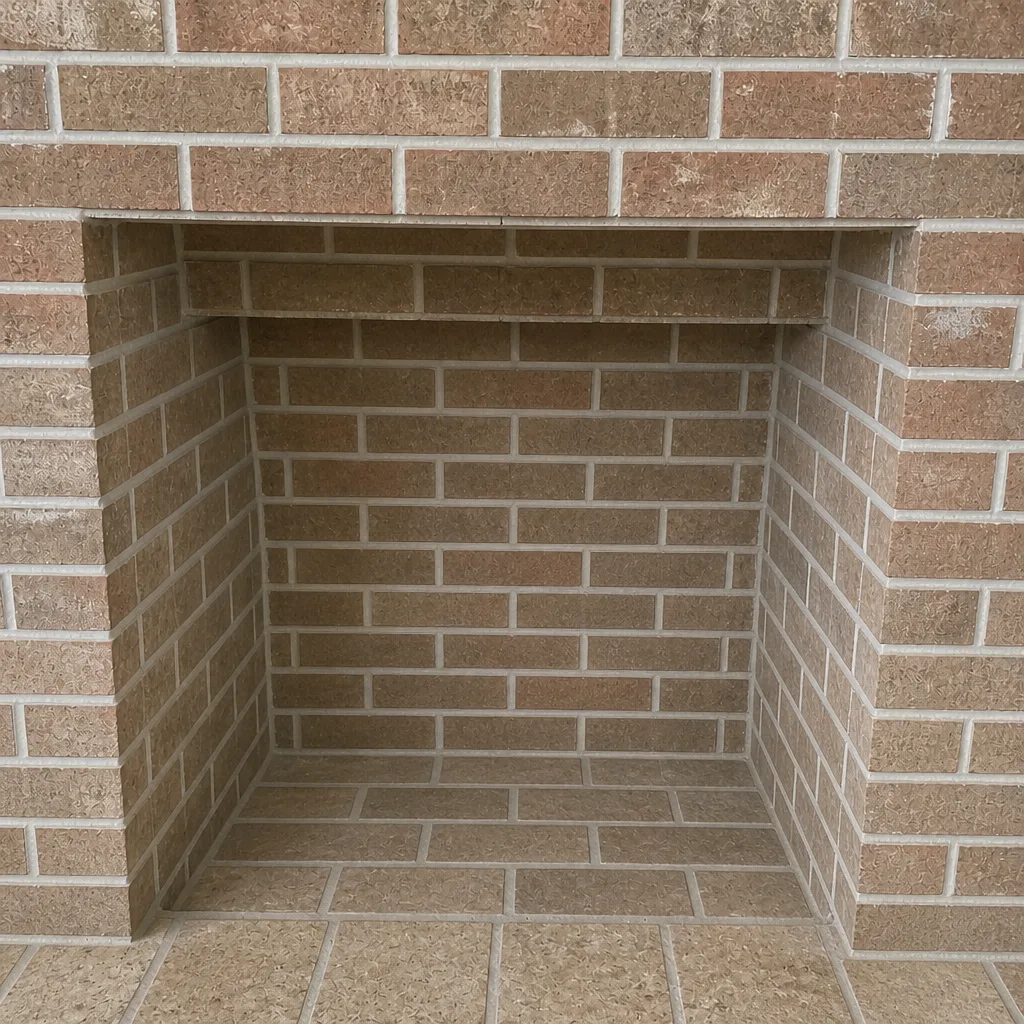 After
Common Mistakes to Avoid
- Blaming a dirty flue for every backdraft. In a tight, air-conditioned Miramar house, pressure is often the cause. Sweeping a clean flue won’t fix smoke that’s being pulled inside.
- Skipping the cap because the chimney is “only used a few times.” The cap matters most when the chimney is idle, which is most of the year here. It’s what keeps water and animals out.
- Treating efflorescence like a cleaning problem. A white powdery stain is water pushing salts out of the brick. Painting over it traps the moisture and makes things worse.
- Assuming a sweep fixes an animal problem. Clearing the nesting debris is step one. Without a proper cap, it’s a temporary fix.
- Ignoring a musty smell because there’s no fire yet. That smell is a symptom, usually moisture or animal material. It’s the cheapest time to address it.
- Hiring whoever quotes the lowest price without a documented diagnosis. If the quote comes before anyone has looked inside the flue with a camera, you’re being priced on a guess.
- Running every exhaust fan during a fire and expecting a perfect draw. Kitchen and bath fans pull air out of the house. During the burning season, balance them against the makeup air the fire needs.
When to Call a Professional
Call us if you smell smoke indoors with a fire lit, if you see creosote that looks sticky or tar-like, if there are visible cracks in the flue or firebox, if there’s a missing cap or a cracked crown, or if you hear scratching in the chimney. Call too if the symptom is unclear and you’d rather have someone with a camera assess it than guess. What you should never do is light a fire in a flue you’re unsure about. Chimney Sweep Miramar offers free estimates in Miramar. Call (866) 942-9444. We answer 24/7. Fast dispatch from 7am to 7pm, Sunday through Friday. Our technicians have up to experience, and we handle sweeping, inspection, and repair under one roof.
Frequently Asked Questions
A chimney sweep in Miramar is typically quoted per job, and the written estimate you receive before booking sets the exact price. The cost depends on the flue’s condition, whether a camera inspection is included, and any repairs the diagnosis turns up. We give a flat-price sweep agreed before we book, so you know the number in advance. Call (866) 942-9444 for an exact quote. Estimates are free.
Once a year is the standard, even in a warm climate with a short burning season. The annual visit catches moisture damage, animal intrusion, and draft problems that build up during the long idle months, not just soot. If you burn more heavily or notice symptoms before the year is up, book sooner. Call (866) 942-9444 to schedule.
Only if the inspection shows the flue interior is cracked, degraded, or the wrong size for the appliance. A liner isn’t a default upsell; it’s a fix for a specific problem, and you should see the camera footage and photos of that problem before you approve it. If the flue is sound, you don’t need one. Ask for the evidence. Call (866) 942-9444 and we’ll show you what we find.
Skipping the annual visit means moisture damage, animal intrusion, and creosote build-up go unnoticed, and small problems get more expensive to fix. In the worst case, a blocked or heavily creosoted flue becomes a fire or carbon monoxide hazard. You don’t need to scare yourself into a call, but you should act on the symptoms you can see. Call (866) 942-9444 with what you’ve noticed.
Intermittent smoke usually points to pressure or draft, not a blocked flue. If it happens when exhaust fans are running or on cool mornings, the house is likely pulling makeup air down the chimney. If it happens only when the fire is first lit, the flue needs longer to warm. Either way, a camera inspection confirms the cause. Call (866) 942-9444 to book a visit.
Some handymen can handle a light cap install, but most don’t carry chimney-specific materials or apply systems like HeatShield or DuraFlex correctly. Chimney work involves material choices and techniques a generalist rarely uses, and a moisture problem misdiagnosed is money spent twice. Call (866) 942-9444 and we’ll assess it properly.
The Bottom Line
Most chimney trouble in Miramar starts with what happened during the idle season, not the fire. Moisture, animals, and pressure are the real culprits behind the smoke, smell, and staining that send homeowners looking for help. Diagnose the root cause before you book: check the firebox, the damper, the exterior brick, and the crown from the ground. Then decide whether you’re facing a Path 1 (combustion and draft) or Path 2 (moisture and structure) problem. Get the camera evidence in front of you before you approve any work. And cap the flue so the next off-season doesn’t undo your repair. When you’re ready, our team handles sweeping, inspection, and repair in a single visit. Read more about Chimney Sweep Miramar.
Have a symptom you can’t identify? Call (866) 942-9444 for a free estimate. We answer 24/7, with fast dispatch from 7am to 7pm, Sunday through Friday. We show you what we find, in plain language, before any work begins.
Written by the team at Chimney Sweep Miramar.