
Last updated November 16, 2026
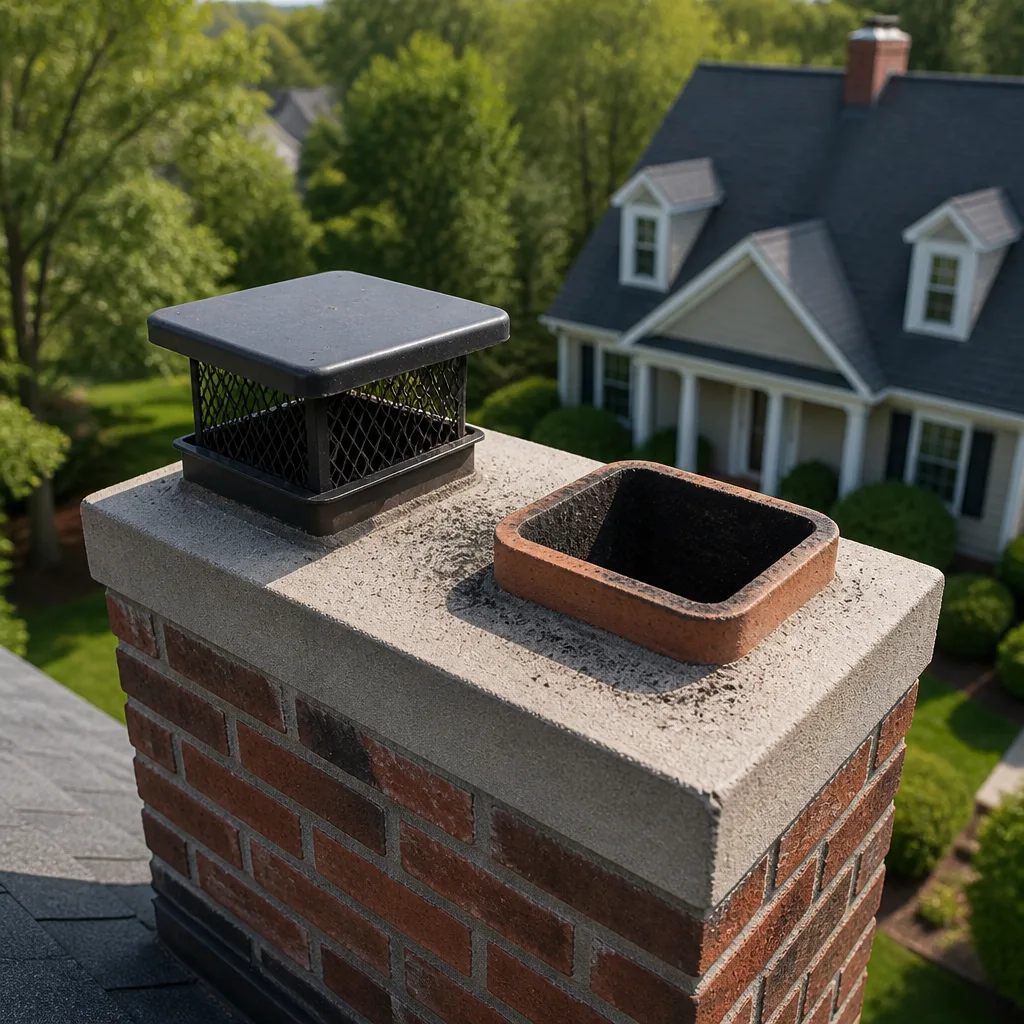 Sweep & inspection
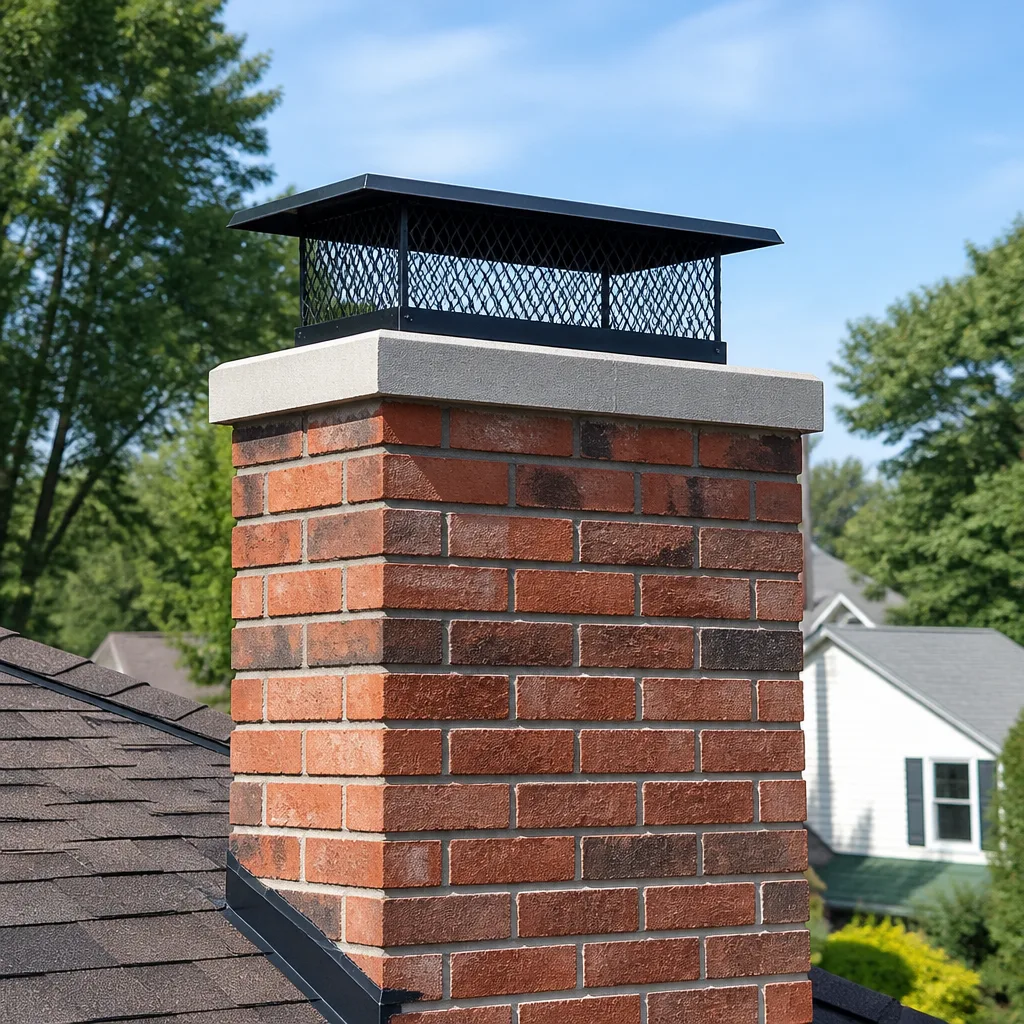 Caps & crowns
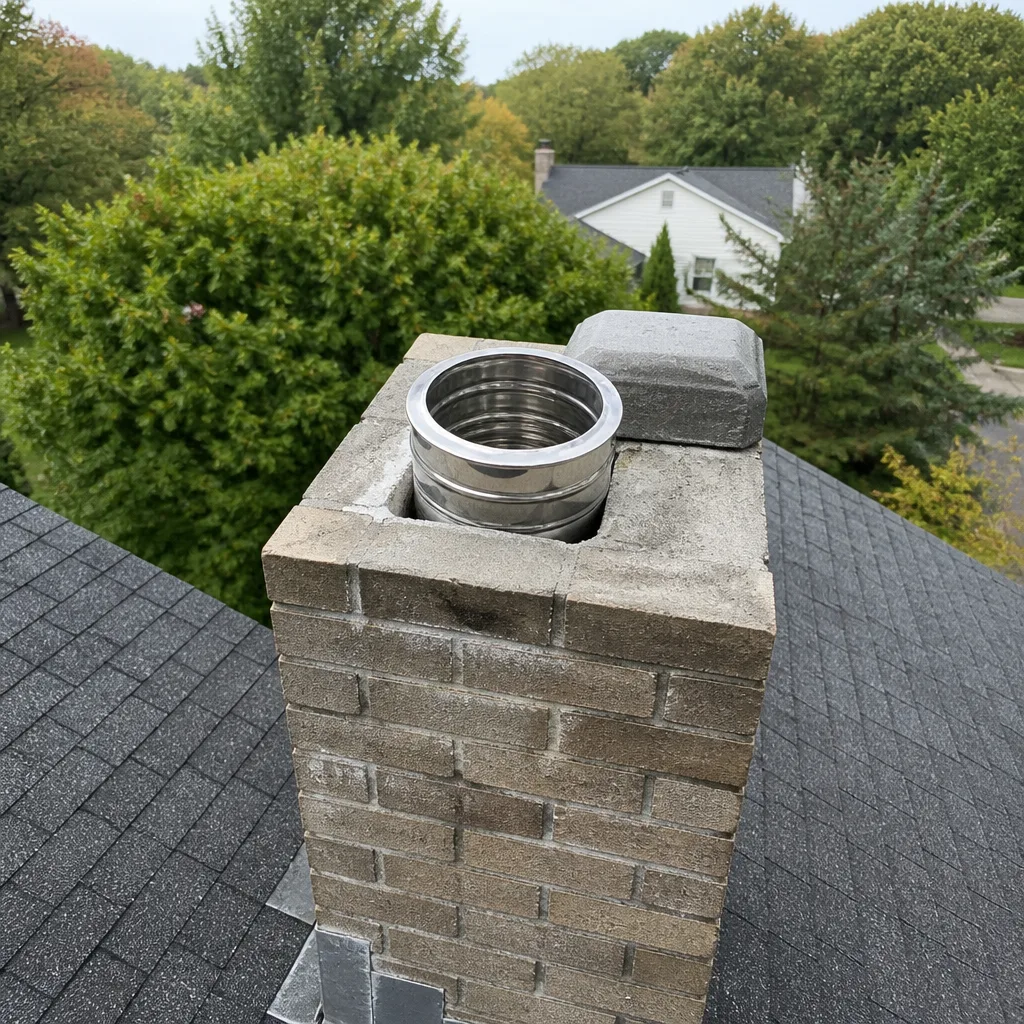 Flue relining
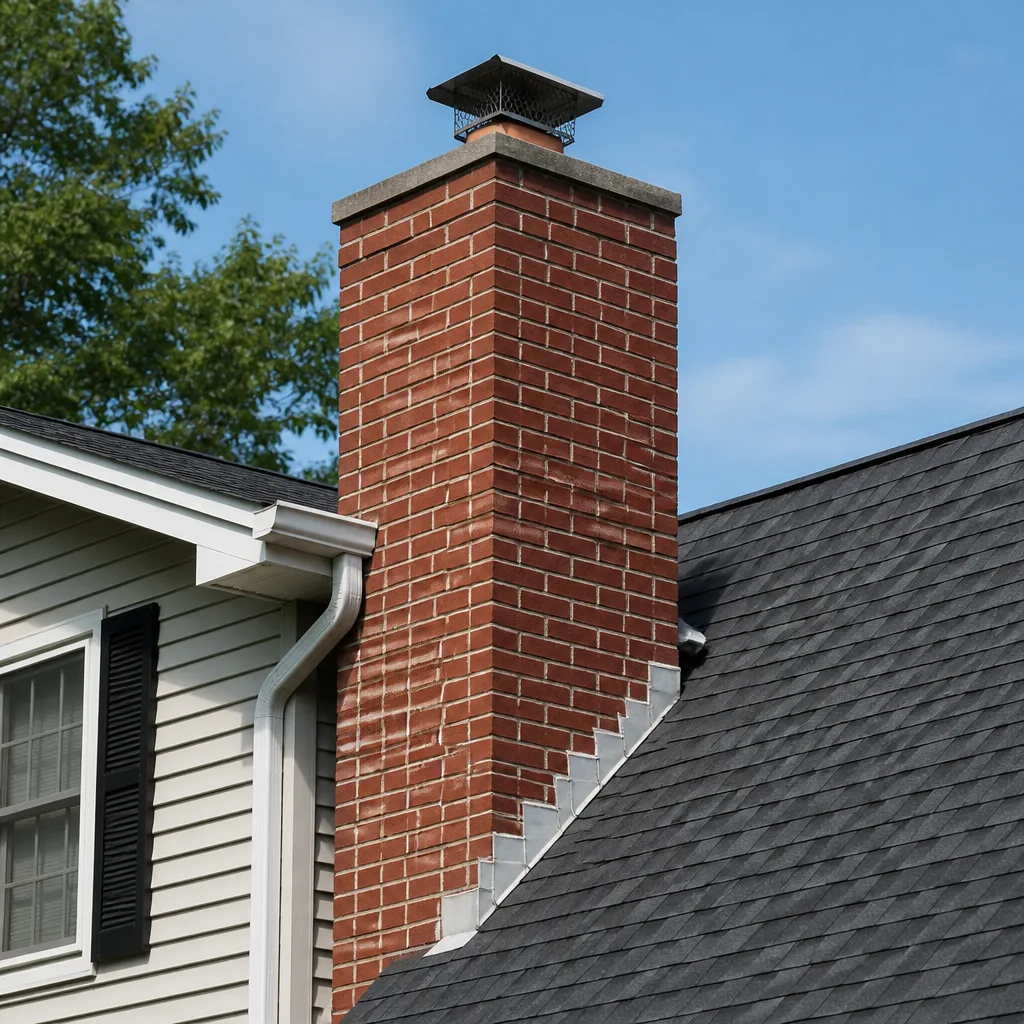 Masonry repair
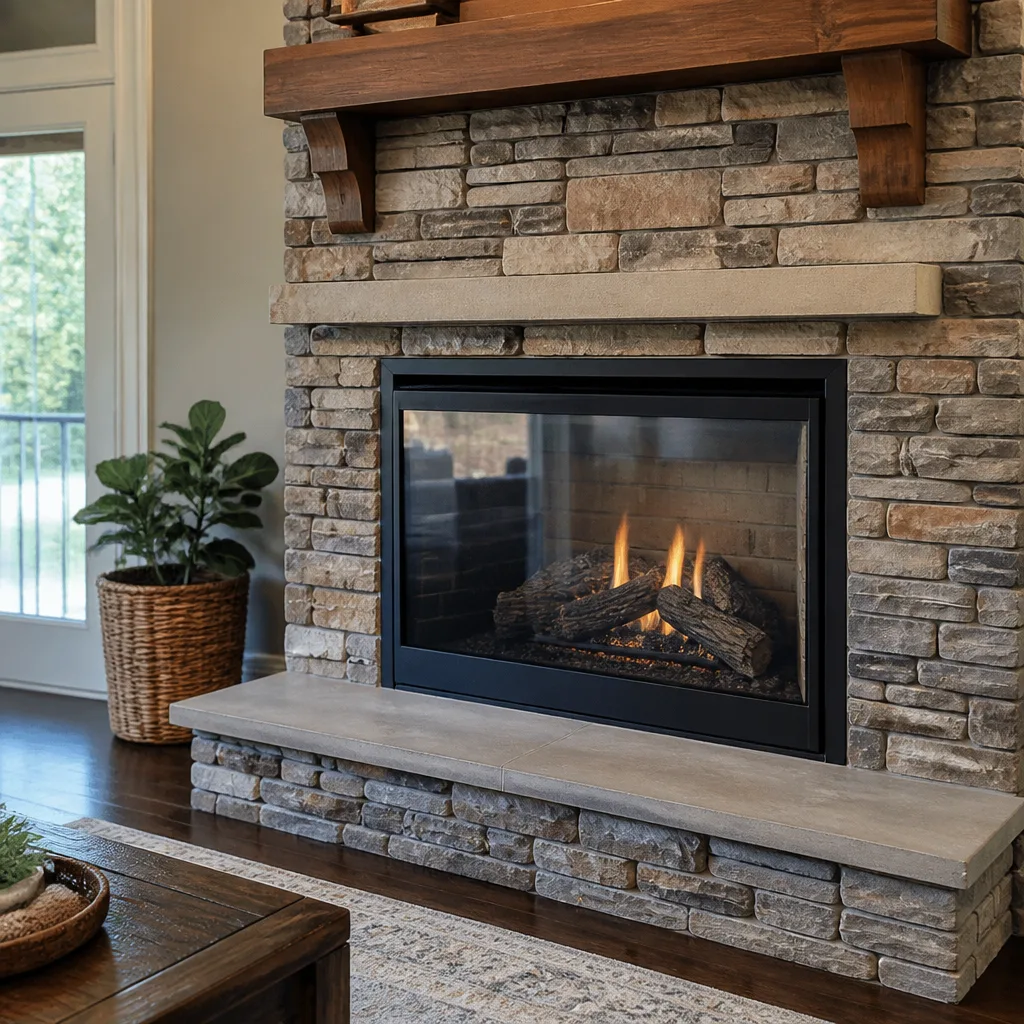 Gas fireplace service
Level 1 sweep and inspection to the NFPA 211 annual standard - flue, crown, cap, and flashing checked and photographed
Chimney sweep logs do not sweep chimneys. They loosen some creosote - which then falls where a brush and vacuum still have to collect it.
Chimney Sweep Maintenance Schedule: What to Do and When
The standard advice, “sweep once a year,” was written for wood-burning homes in cold climates that light a fire forty or more times a season. If you light yours five times between November and February, your maintenance calendar should look completely different. In Miramar, our fireplaces are mostly decorative or occasional, our wet season runs the opposite of our burn season, and the weather that actually damages a chimney here is wind and rain, not freezing temperatures. This guide lays out a month-by-month maintenance schedule built around how Miramar homes actually use their chimneys, what to check after a named storm, when a sweep is genuinely needed versus a visual inspection, and where a Level 2 inspection stops being optional. Read it once, and you’ll have a maintenance plan you can follow for years.
Styles & brands we work with
- Sweep & inspection
- Caps & crowns
- Flue relining
- Masonry repair
- Gas fireplace service
Quick Answer
For most Miramar homes, the right chimney maintenance schedule is: a pre-season inspection and sweep in October before the first burn, a post-hurricane-season check in November after storms pass, and a visual check each time you use the fireplace after a long gap. If you burn fewer than ten fires a year, you likely need a professional sweep every second or third season, not every year, but you should still have the flue and cap inspected each October. Homes with gas fireplaces need an annual flue inspection even without soot.
Table of Contents
- Why the Standard Annual Advice Doesn’t Fit Miramar
- Month-by-Month Maintenance Calendar for Miramar
- What to Inspect After a Named Storm
- Creosote Stages and When You Actually Need a Sweep
- Gas Fireplaces vs. Wood-Burning: Different Schedules
- Level 1 vs. Level 2 Inspections: When Each Is Required
- What You Can Safely Check Yourself and What You Can’t
- Common Mistakes to Avoid
- When to Call a Professional
- Frequently Asked Questions
- The Bottom Line
Why the Standard Annual Advice Doesn’t Fit Miramar
National chimney maintenance advice assumes a house that burns wood five or six nights a week from October through March, with a flue that cools quickly and builds creosote fast. Most Miramar homes don’t work that way. A fireplace here gets used for a few holiday evenings, the occasional cold snap, and maybe a family gathering in January. The total number of fires in a season often sits between three and fifteen.
That usage pattern changes the math on several fronts. Creosote accumulates as a deposit that forms when smoke cools on the flue walls. A flue that only sees a dozen fires doesn’t build the thick, glazed deposits you’d find in a Cleveland or a Denver chimney. But that doesn’t mean it needs less attention; it means it needs different attention. The risks shift toward moisture intrusion, cap and crown damage, and drafting problems caused by our humid air, not the rapid creosote buildup northern chimney sweeps write schedules around.
The other factor is the wet season. From roughly June through October, Miramar’s afternoons are humid, storms roll through in the afternoon, and any gap in a chimney cap or crown lets summer rain into the flue. A chimney that stayed dry from December through March can sit soaked all summer and be rusted or spalling by the time October arrives. The maintenance calendar, in other words, needs to protect the chimney during the months you don’t use it, not just during the months you do.
Our technicians have up to 11 years of experience working on Miramar chimneys, and the single most consistent pattern we see is a chimney that was last swept in the cool, dry months, then left entirely untouched through the wet season, with an October surprise waiting at the top of the flue. A schedule that respects the local seasons catches those problems before they grow. Our Chimney Sweep Miramar team typically builds that schedule around your burn count, not a generic calendar.
Month-by-Month Maintenance Calendar for Miramar
The Miramar maintenance year divides cleanly in two: a dry-season prep window and a wet-season watch window. Here’s how the schedule breaks down for a typical home with a wood-burning fireplace or insert.
October: Pre-Season Inspection and Sweep
This is the most important checkpoint of the year. Inspect and sweep before the first burn, not after. If the flue has debris from a summer nesting animal, a fallen cap, or a cracked crown, you want to know before you light the first fire. October is also when a sweep removes any creosote from last winter before it sits another six months.
November: Post-Hurricane-Season Check
Once Atlantic hurricane season winds down, take a look at the chimney’s exterior. Wind and wind-driven rain can loosen a cap, crack a crown at the flue seam, or displace flashing at the roofline. A quick inspection in November catches those issues while there’s still dry weather to repair them.
December through February: Burn Season
During the weeks you actually use the fireplace, check a few things before each fire after a long gap. Look for animal or bird nests at the damper, smell for a strong creosote or smoky odor, and confirm the damper opens and closes cleanly. If the flue was swept in October, you should be able to burn through the season without a second sweep unless you’re burning heavily and routinely.
March through May: Mid-Season Rest Check
Once you’ve stopped burning, look at the chimney from the ground. Check the cap, look for any staining on the masonry exterior, and note any white efflorescence that’s appeared since the fall. This is also a sensible window to have any October-identified repairs completed, since no fire is in use and the dry season gives repair materials time to cure.
June through September: Wet-Season Monitoring
The chimney should be keeping the rain out, not letting it in. If you notice water stains on the firebox ceiling, damp ash at the bottom of the firebox, or rust forming at the damper, that’s a moisture intrusion clue worth investigating. A chimney cap replacement or crown repair in this window is far cheaper than masonry repairs later. Even a basic chimney sweep during this period can spot intrusion issues while they’re still small.
If anything in this calendar feels over-engineered for how little you use your fireplace, remember the rule underneath: October and November are the two months you should not skip. Everything else bends to your burn count.
What to Inspect After a Named Storm
A storm’s aftermath is the second-most important inspection window on the Miramar calendar, right after the October pre-season check. Wind, wind-driven rain, and debris aren’t subtle, but the damage they leave on a chimney often is. Here’s a numbered list of the checks that matter:
- From the ground, look at the chimney cap. A cap that’s tilted, lifted on one side, or missing fasteners has likely been breached. If the cap has moved, water is now getting straight down the flue.
- Look for cracks in the crown. The crown is the concrete or masonry slab at the top of the chimney that sheds water. A hairline crack lets water in at the flue-to-crown seam, exactly where it does the most damage. Gelco and Famco cap and crown products are the materials we reach for when a repair is needed, because they’re built for humid climates.
- Check the flashing at the roofline. The metal flashing that seals the chimney to the roof is a common failure point after high wind. If you can see a gap, curled metal, or missing caulk, water is likely getting into the attic or wall.
- Look for visible masonry staining or efflorescence. White mineral crystals on the outside of the chimney or a dark stain below the cap are both signs of water getting in and migrating out.
- Smell the firebox. A strong, musty odor after a storm often means water is sitting somewhere in the flue or firebox. A dry chimney doesn’t smell.
- Check inside for water staining. Look at the firebox ceiling, the damper, and the wall around the fireplace. Fresh water stains are an indicator that something needs a closer look.
If any of these checks reveal a problem, don’t wait for the next scheduled sweep. A breached cap in July is a much smaller repair than a rusted flue in October. Our chimney repair work starts with a full inspection so we know exactly what the storm did before any material gets ordered.
Creosote Stages and When You Actually Need a Sweep
Not every chimney needs a sweep every year, and not every chimney needs a sweep just because a calendar says so. The real question is how much creosote is in the flue and what form it’s taken. Creosote comes in three recognizable stages, and each has its own maintenance implication:
- Stage 1: Soot and light flaky deposits. Most of what a lightly used Miramar fireplace produces. A bristle brush sweep removes it easily, and it’s not yet a fire risk. If the flue has only Stage 1 deposits and fewer than about ten fires since the last sweep, a visual inspection typically suffices.
- Stage 2: Brittle, crusty deposits. This is where a genuine sweep is warranted. Stage 2 creosote often forms when the fire is burned slowly or the flue cools before the smoke clears. It adheres to the flue walls and needs mechanical sweeping to remove. For Miamar-area wood burners, this typically appears after roughly twenty to thirty fires without a sweep, depending on the wood and burn habits.
- Stage 3: Glazed, tar-like deposits. This is the dangerous stage, and it’s the one that fuels a chimney fire. Stage 3 creosote hardens into a shell that a bristle brush can’t fully remove. Repair options include chemical treatments and, in severe cases, relining with a system like Olympia Chimney’s. Stage 3 in a residential chimney is a sign the chimney has been run hot and slow for a long time.
The working rule we use is simple: if you don’t know what stage your flue is in, that’s the answer to whether you need an inspection. A camera inspection identifies the deposit stage for a fraction of what a repair costs. If you burn under ten fires a year and don’t routinely see smoke rolling back into the room, a sweep every second or third season is usually enough. If you burn more frequently, or use unseasoned wood, the sweep interval shortens.
Gas Fireplaces vs. Wood-Burning: Different Schedules
Many Miramar homes have gas fireplaces or gas inserts rather than wood-burning fireboxes, and the maintenance schedule for these looks completely different. It’s common for a homeowner to assume a gas fireplace needs no maintenance at all because there’s no soot to see. That’s a dangerous assumption.
Gas fireplaces still produce combustion byproducts, and the flue still has to vent them safely. Even a clean-burning gas unit deposits condensation, which can damage the flue lining over time. And a gas unit’s venting can be blocked by a bird nest, a disconnected flue section, or storm debris, with no visible soot inside the firebox to warn the homeowner. Carbon monoxide is odorless and invisible, and it’s the reason gas fireplace flues should be inspected annually, even in a house that burns wood zero times a year.
- Gas fireplace: annual flue inspection, every year. Sweep only if the inspection finds blockage or debris. Check the vent termination each storm season.
- Wood-burning fireplace: October inspection and sweep, post-storm inspection, then a sweep based on creosote stage. Most light-use homes sweep every two to three years; heavier users sweep annually.
- Wood insert: annual inspection and sweep if used heavily; every two years with light use. Inserts run hotter and often need the flue inspected around the liner connection point.
- Gas insert in a wood firebox: annual inspection of both the gas venting and the surrounding firebox. Many homes in Miramar fall into this category and are the ones most often neglected.
Both types benefit from the same October pre-season inspection window, but the inspection focus is different: gas units are checked for venting integrity and carbon monoxide risk, wood units for creosote and moisture. If you’re unsure which category your fireplace falls into, a single inspection answers that question definitively.
Level 1 vs. Level 2 Inspections: When Each Is Required
Chimney inspections come in three recognized levels, and knowing which one your job calls for saves money without sacrificing safety. Most homeowners are paying for a Level 2 when a Level 1 would suffice, or settling for a Level 1 when code actually requires a Level 2.
Level 1 inspection is the basic visual check of all readily accessible portions of the chimney. It covers the firebox, damper, flue, cap, and exterior visible from the ground or roofline without special tools. A Level 1 is sufficient when the chimney hasn’t changed since the last inspection and nothing has happened to make you suspect a problem. It’s what a routine annual check consists of.
Level 2 inspection adds a camera run through the flue, a more thorough inspection of the chimney’s accessible interior, and often a look at the attic, crawl space, and roof. It’s required by code in several situations: a change in the fuel type (for example, converting from wood to gas or the reverse), a change in the appliance connected to the flue, after a chimney fire or significant chimney-related event, or after a property sale or transfer of ownership. Some jurisdictions also require it when a home’s heating appliance is replaced. In Florida, most cities follow ICC-based residential code provisions that adopt the National Fire Protection Association’s inspection levels; when in doubt, call your city’s building department to confirm what your job requires.
Level 3 inspection is the most thorough and includes removing parts of the chimney or building to access concealed areas. It’s rare in residential work and typically comes after a Level 1 or Level 2 finds evidence of a serious concealed problem.
If a contractor recommends a Level 2 without a specific reason, ask why. If the reason is “we always do it this way,” a Level 1 is probably the honest answer. If the reason is storm damage, a fuel change, or a suspected flue problem, a Level 2 is the right call and the camera will show you what’s there. Our inspection process takes the same position regardless of who does the work: nothing gets recommended without camera evidence you can see for yourself, and if the work can wait, we’ll say so.
What You Can Safely Check Yourself and What You Can’t
There’s a real value in knowing what a homeowner can safely check personally, because it’s the difference between a small problem caught early and a big repair that shows up as an October surprise. Here’s the honest split.
What you can safely do
- Check that the damper opens and closes completely before each burn season.
- Visually inspect the chimney from the ground for a missing or tilted cap, or obvious cracks in the crown.
- Look at the firebox for water stains, especially after storms.
- Smell the firebox after a storm. Musty or smoky odors are worth investigating further.
- Confirm no birds or animals have taken up residence near the damper. A nesting animal in the flue is a serious draft and carbon monoxide risk.
What you should not do
Never climb onto the roof to inspect or clean the chimney yourself. Roof falls from chimney work are a serious injury risk, and our technicians carry the fall protection and tools to do it safely. Never put a brush into a flue to sweep it without knowing the liner material; a metal brush on the wrong liner can damage it, turning a routine sweep into a relining project. And never try to diagnose a possible crack in the flue by feel or by eye alone. A camera is the only reliable way to see inside a flue, and the difference between a hairline crown crack and a compromised liner is one a camera makes immediately obvious.
Everything above the firebox, and everything inside the flue, is the trained professional’s job. That’s not a sales line; it’s the reason the trade has inspection levels in the first place.
Common Mistakes to Avoid
- Sweeping in October but never inspecting in November. The October sweep doesn’t catch storm-season damage. You need both checkpoints, especially in Miramar, where the summer storm pattern does more chimney damage than any other weather.
- Assuming a gas fireplace needs no maintenance. Gas units still vent combustion byproducts and can have carbon monoxide problems. An annual flue inspection is not optional for a gas fireplace.
- Waiting for a problem to show up inside the house. Water stains and smoke backup are late signs. The chimney is already damaged by the time you see them.
- Hiring the cheapest sweep without asking what’s included. A sweep that skips the camera inspection isn’t a sweep, it’s a cosmetic burn-off. Ask what the technician will actually see and photograph before work begins.
- Replacing a fancier chimney cap instead of diagnosing the actual problem. A cap that failed because the crown is cracked needs the crown repaired first. Shiny new caps over a failing crown just hide the water intrusion.
- Using general-purpose materials on chimney repairs. HeatShield is the standard for flue restoration because it’s formulated for the temperature and chemistry of a chimney interior. Ordinary mortar in a flue doesn’t last, and most general contractors have never applied a proper flue restoration system.
- Burning unseasoned wood. Wet wood burns cool, which is exactly the condition that produces Stage 2 and Stage 3 creosote. The wood you burn matters as much as how often you sweep.
When to Call a Professional
Some chimney problems are obviously a professional’s job. A strong creosote smell, a visible crack in the firebox masonry, water staining inside the firebox, a cap that’s missing or clearly tilted, a flue that doesn’t draft, smoke rolling into the room, or any evidence of a chimney fire are all situations where you should stop using the fireplace immediately and call for an inspection. So is any recommendation from a past sweep that you’ve never acted on.
Any conversion between fuels, any new appliance connected to the flue, and any home purchase where you don’t know the chimney’s history are all Level 2 inspection triggers. If you’ve skipped the October check for several years in a row, call for a combination sweep and inspection: it’s the fastest way to know whether the flue is in good shape or hiding a problem. Chimney Sweep Miramar offers free estimates in Miramar – call (866) 942-9444. We answer 24/7. Fast dispatch from 7am to 7pm, Sunday through Friday, closed Saturday.
Frequently Asked Questions
For most Miramar homes with a wood-burning fireplace, every two to three seasons is typically enough if you burn fewer than ten fires a year, while heavier users should sweep annually. The correct interval depends on creosote deposition, which a camera inspection identifies concretely. Call (866) 942-9444 for an exact quote – estimates are free.
You need the October inspection every year even if you never light a fire, because the biggest risks in your flue are storm damage, moisture intrusion, and animal nesting, none of which depend on how many fires you’ve burned. Skipping the annual check is the most common reason minor moisture issues become expensive repairs. Call (866) 942-9444 for an exact quote – estimates are free.
A gas fireplace usually doesn’t need a sweep, but it does need an annual flue inspection, because the venting has to be checked for blockage and integrity even when there’s no soot. Carbon monoxide is invisible, so the annual inspection is the only way to know the flue is drafting safely. Call (866) 942-9444 for an exact quote – estimates are free.
Skipping maintenance doesn’t cause one dramatic failure; it lets a series of small problems compound. Creosote builds to a more dangerous stage, small crown cracks widen and let water deeper into the masonry, and a loosened cap turns into a rusted flue over a few seasons. The repair cost grows with each missed season. Call (866) 942-9444 for an exact quote – estimates are free.
A Level 2 inspection is generally required after a fuel-type change, after a new appliance is connected to the flue, after a chimney fire, or after a property changes hands, because each of those situations means the chimney’s condition needs a camera look rather than a visual once-over. Confirm your specific requirement with your city’s building department before scheduling. Call (866) 942-9444 for an exact quote – estimates are free.
Start with the chimney cap, the crown at the top of the chimney, and the flashing at the roofline, because those three are the most common storm failure points and the most common routes for water intrusion. Also look for staining on the exterior masonry and any dampness or odor inside the firebox. If anything looks off, schedule an inspection rather than waiting for the next seasonal check. Call (866) 942-9444 for an exact quote – estimates are free.
The Bottom Line
A chimney maintenance schedule built for Miramar looks nothing like a national template. The two checkpoints that matter most are your October pre-season sweep and inspection, and your November post-storm check. Between those, your burn count drives everything else: light users can stretch sweeps to every two or three seasons, heavier users should sweep annually, and gas fireplace owners need an annual flue inspection regardless of soot. Learn to distinguish Stage 1 creosote from the crusty Stage 2 and glazed Stage 3, understand when a Level 2 inspection is genuinely required, and check the cap, crown, and flashing after every named storm. The goal isn’t to sweep the most; it’s to catch the small problems while they’re small. A clean, dry, well-vented chimney is the result of a schedule, not a repair.
If you’d like a documented inspection and a written plan for your own chimney, Chimney Sweep Miramar works with professional-grade materials including HeatShield flue restoration systems and Olympia Chimney relining products, and we handle sweep, inspection, and repair as a single service. Call (866) 942-9444 for a free estimate. We answer 24/7. Fast dispatch from 7am to 7pm, Sunday through Friday, closed Saturday. If you’d rather start with a bookable chimney sweep in Miramar, that’s the simplest way to get a real answer on your flue’s condition.
Written by the team at Chimney Sweep Miramar.
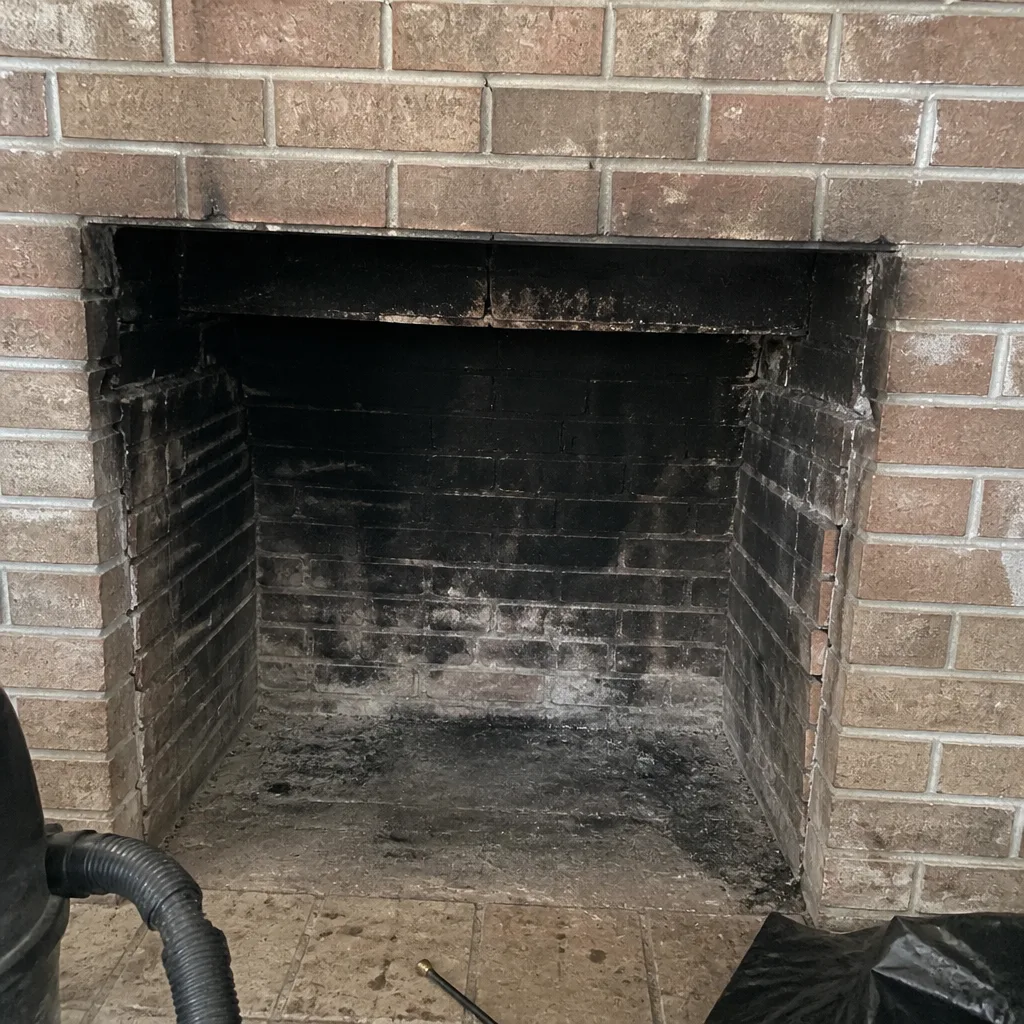
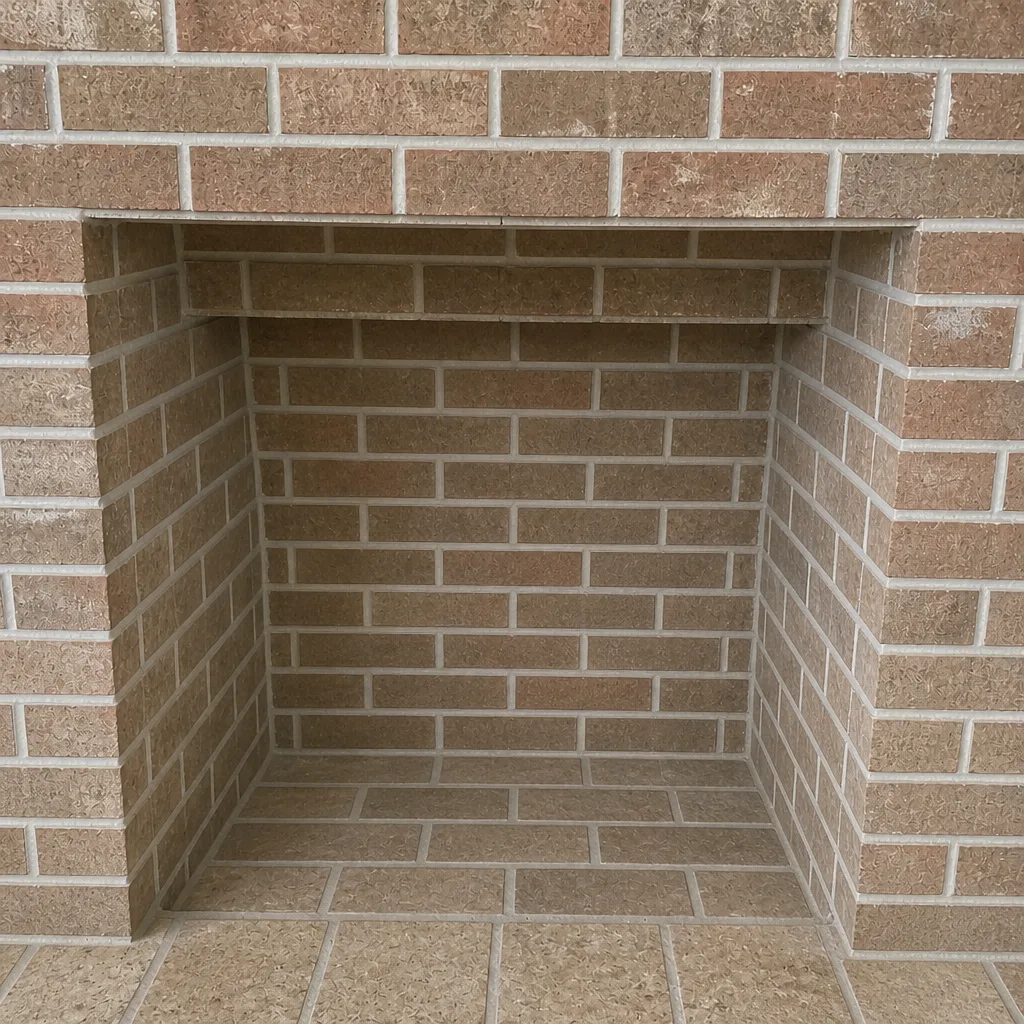
See the difference
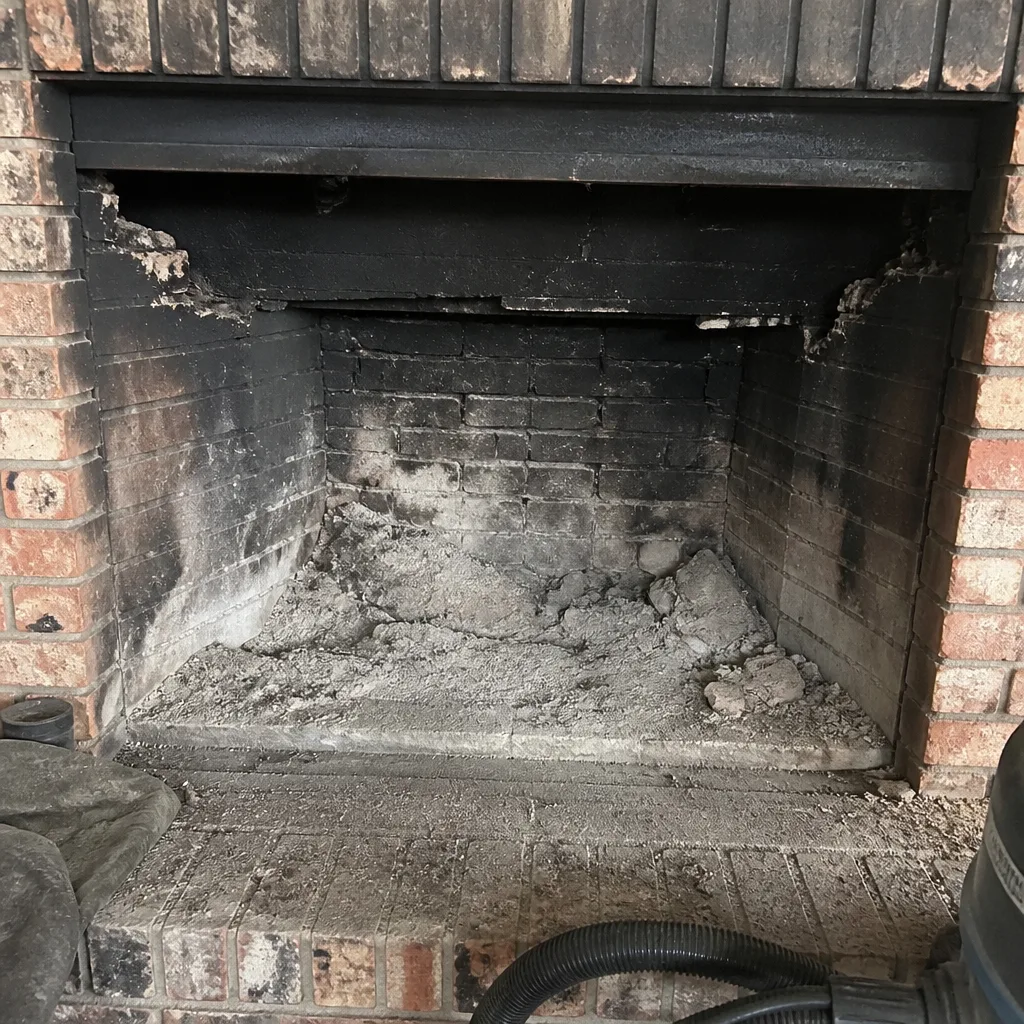 Before
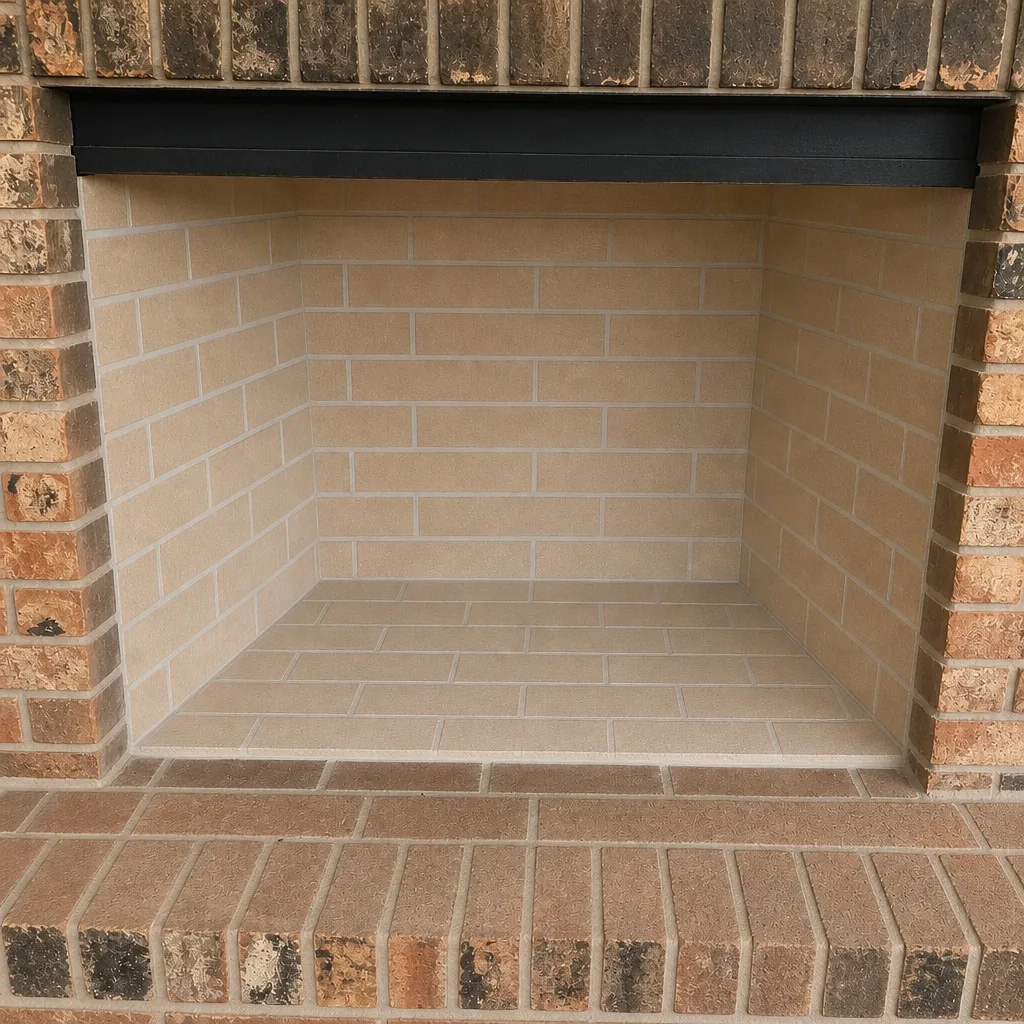 After
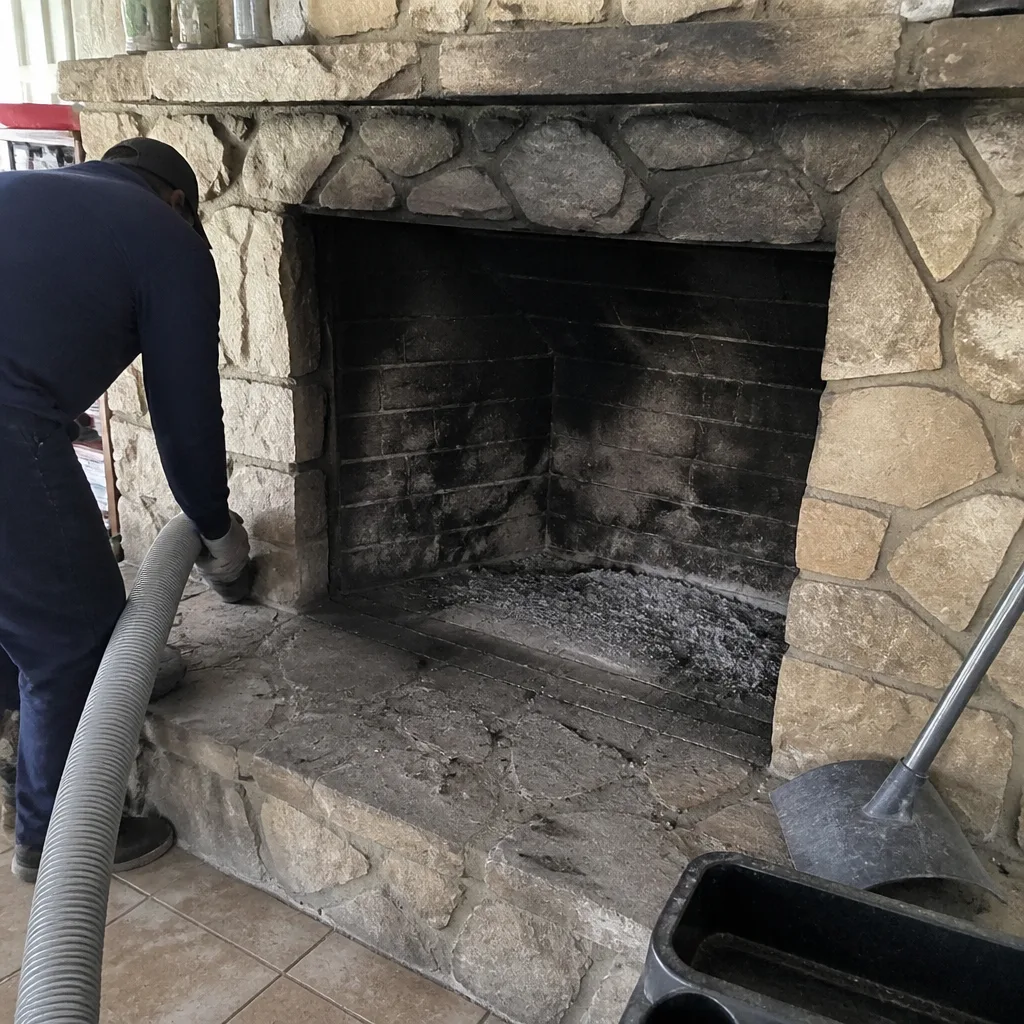 Before
 After
 Before
 After