
Last updated November 16, 2026
 Sweep & inspection
 Caps & crowns
 Flue relining
 Masonry repair
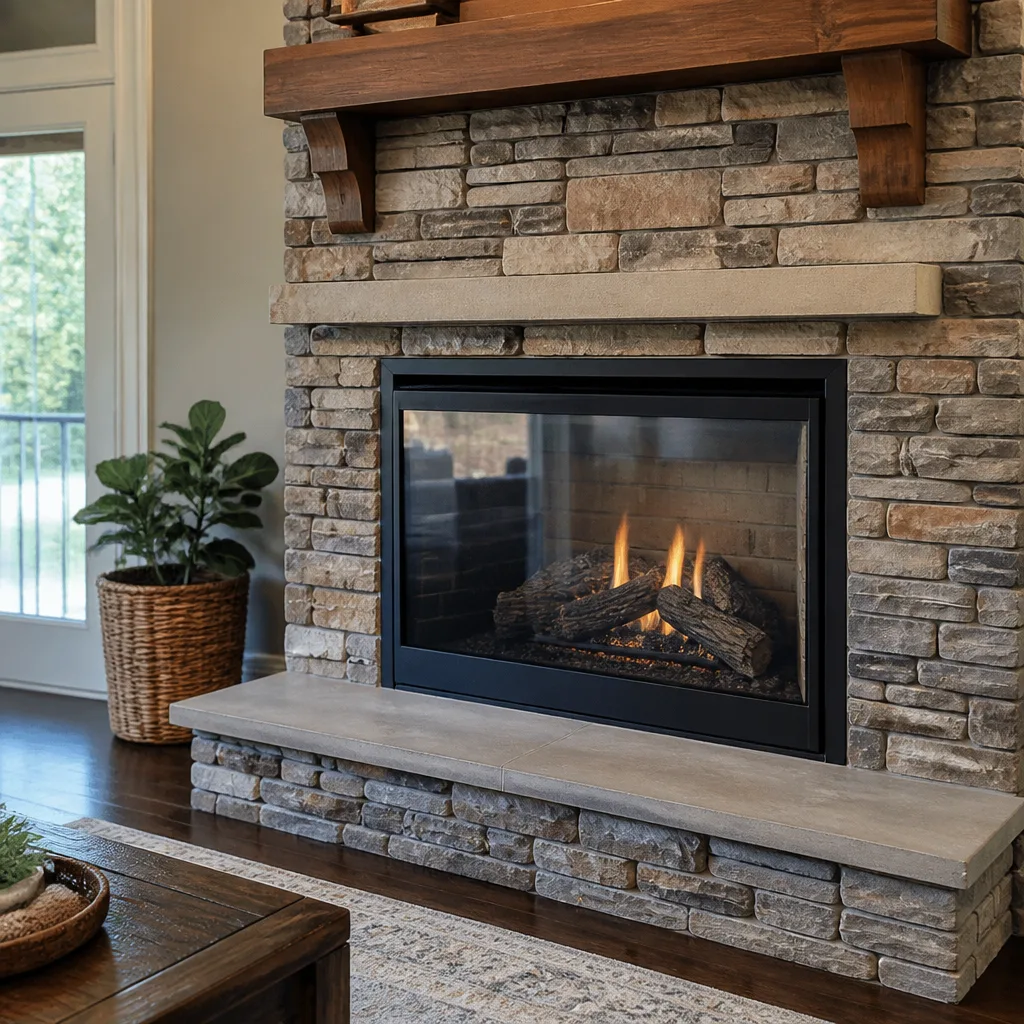 Gas fireplace service
Level 1 sweep and inspection to the NFPA 211 annual standard - flue, crown, cap, and flashing checked and photographed
Chimney sweep logs do not sweep chimneys. They loosen some creosote - which then falls where a brush and vacuum still have to collect it.
Chimney Cleaning Warning Signs: A Miramar Homeowner’s Reference Guide
A white chalky stain on your fireplace’s exterior brick isn’t a cosmetic issue. That crust is efflorescence, and it means water is actively moving through your masonry. Most guides will tell you it’s a freeze-thaw problem, but that explanation doesn’t hold up in Miramar, where winters are mild and the real driver is humidity, wind-driven rain, and long stretches of a fireplace sitting idle. What follows is a translation key: the stains, smells, sounds, and smoke behavior Miramar homeowners actually report, matched to what each one likely means. We’ll show you how to tell a watch-and-wait sign from a stop-using-the-fireplace sign, and when it’s time to call.
Styles & brands we work with
- Sweep & inspection
- Caps & crowns
- Flue relining
- Masonry repair
- Gas fireplace service
Quick Answer
The warning signs that should prompt a chimney cleaning and inspection in Miramar are: white or dark staining on exterior masonry, rust streaks below the cap, musty or earthy odors even when the fireplace is cold, smoke spilling into the room, and animal sounds or debris in the firebox. Any of these means the flue, cap, or crown deserves a look before your next burn. The one sign that means stop using the fireplace immediately is smoke backing into the room combined with a smell of burning or a visible crack in the firebox.
Table of Contents
- Why Chimney Warning Signs Look Different in Miramar
- The White Stain You Shouldn’t Ignore: Efflorescence and Water in Masonry
- Musty and Earthy Odors vs. the Acrid Smell of Creosote
- Visual Signs Specific to Miramar Homes
- What Sounds Tell You: Animals, Airflow, and Debris
- What a Smoky Room Actually Tells You: Five Causes
- Monitor-and-Schedule vs. Stop Using the Fireplace
- Common Mistakes to Avoid
- When to Call a Professional
- Frequently Asked Questions
Why Chimney Warning Signs Look Different in Miramar
Most chimney content online is written for homeowners in cold climates, where a fireplace runs hard from October to March and the dominant failure mode is heavy creosote buildup that needs sweeping every year. In Miramar, the pattern is different. Many homes burn a handful of times per season, or only during the cooler evenings when a cold front pushes through. That infrequent use creates a set of conditions the standard advice doesn’t address.
When a chimney goes months without a fire, the flue stays cool and damp. Humidity does the rest. Moisture that enters through a cracked crown, a missing cap, or porous mortar has no hot exhaust to drive it back out, so it lingers in the masonry, gradually working its way toward the interior. Meanwhile the creosote that does form from occasional burns sits in a thin, glazed layer rather than the thick, flaky deposits a cold-climate sweep expects to find. That thin layer is still combustible, but it’s easy to overlook because it doesn’t look dramatic.
The other Miramar-specific factor is the housing itself. A lot of the city’s homes were built with stucco finishes and poured or block masonry around the fireplace chase. Stucco is a rigid skin over a moving substrate, and it cracks at the corners and seams where the chimney rises through the wall. Those hairline cracks are entry points for rain that a homeowner would never notice from the ground. Once water gets behind the stucco, it can travel down into the firebox surround and show up as a soft or crumbling patch months later.
The takeaway: in Miramar, treat moisture and ventilation as the primary suspects and creosote as the secondary one. That single shift in thinking changes how you read every sign in this guide.
The White Stain You Shouldn’t Ignore: Efflorescence and Water in Masonry
Efflorescence is a white, powdery, or crusty deposit that appears on the surface of brick, block, or mortar. It’s salt pushed to the surface as water evaporates out of the masonry. The stain itself is harmless, but what it represents is not: water is moving through the masonry often enough to carry salt with it. If you scrub it off and it returns, the water source is still active.
You’ll typically see it in a few places on a Miramar home:
- On the exterior brick or block facing below the roofline. This usually points to a crown or flashing leak letting rain in from above.
- Along the base of the chimney where it meets the stucco wall. This often means water is entering higher up and traveling down behind the finish.
- Inside the firebox, on the back wall or side panels. Interior efflorescence or a powdery white bloom is a strong indicator that moisture is reaching the interior of the chimney.
One important distinction: a single white bloom that appears after a heavy rain and dries out permanently is a minor event. A bloom that keeps coming back, or that appears in a new location each season, is telling you the water path is persistent. The fix is never to paint over it. Paint traps moisture and accelerates spalling, which is when the face of the masonry flakes off in sheets.
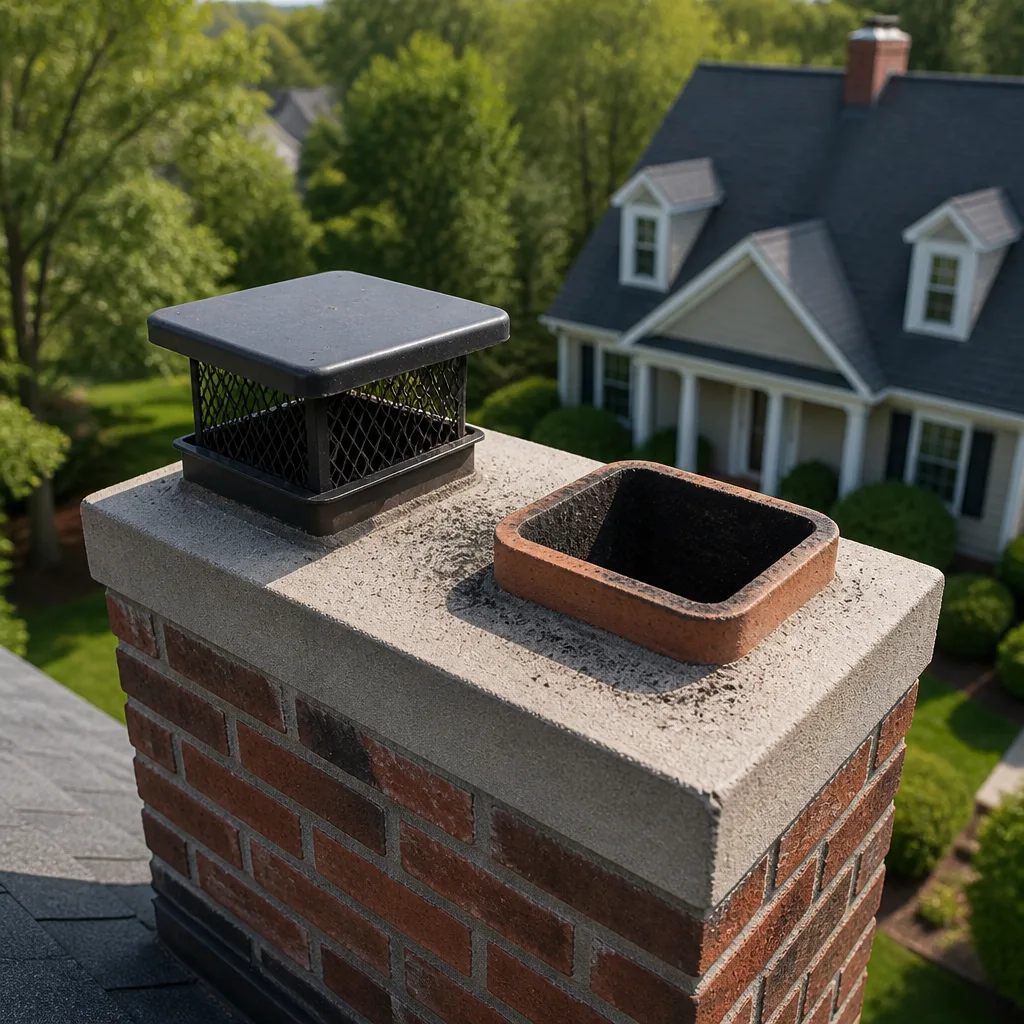
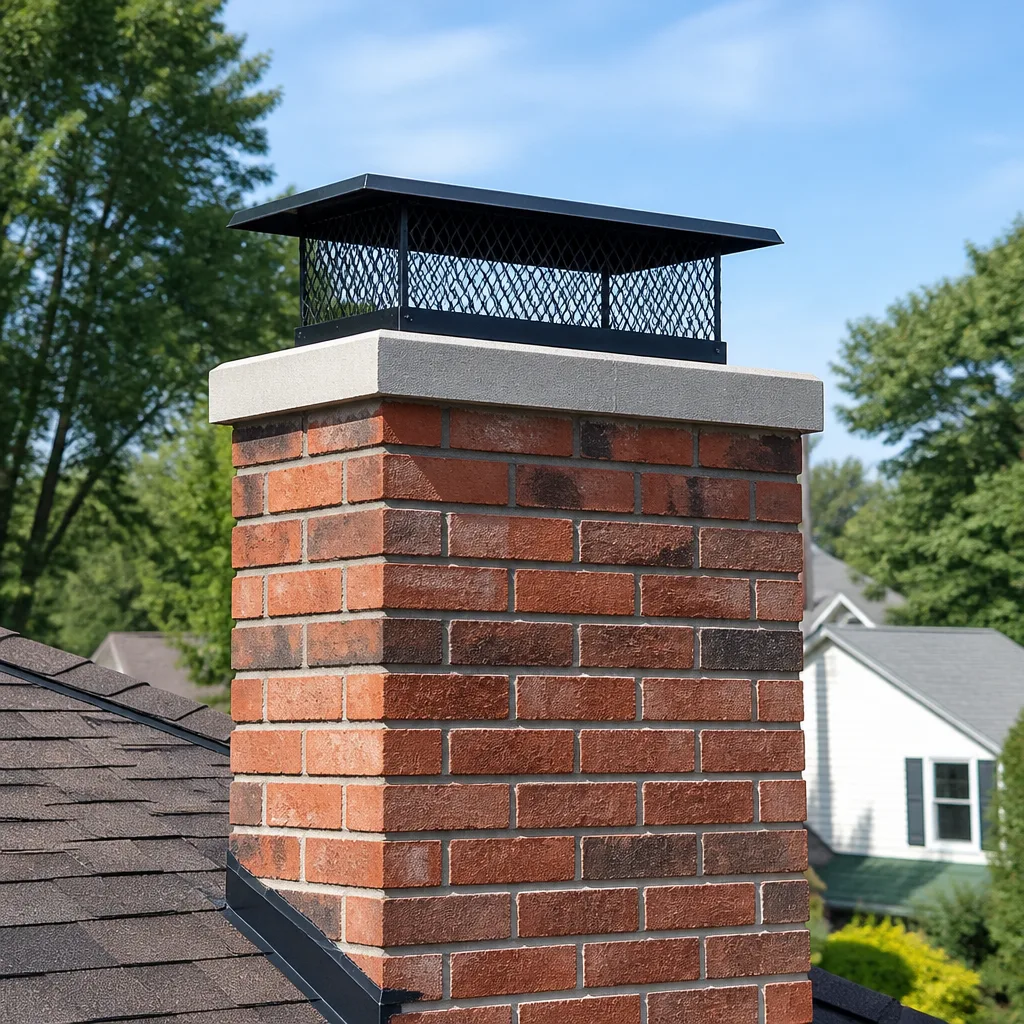
The right move is to have the crown, flashing, and cap inspected together. A missing or damaged cap is one of the most common ways water gets into a Miramar chimney, and a professionally fitted cap does double duty by keeping out rain and animals. We supply and install Gelco and Famco caps, so a cap replacement can happen as part of the same visit as the inspection rather than being ordered and rescheduled. For a chimney repair that addresses the crown or flashing, that’s the chimney repair side of the work.
Musty and Earthy Odors vs. the Acrid Smell of Creosote
The smell coming from your fireplace is one of the most useful diagnostic tools you have, and it’s also the one most homeowners misread. The mistake is to assume every smell means creosote. In Miramar, the musty, earthy, or damp-basement smell is actually the more common complaint, and it points to a different set of problems.
What a musty or earthy smell means
A musty odor that’s present even when the fireplace hasn’t been used in weeks is almost always a moisture signal. It means the flue is staying damp, which can come from a leak at the crown or cap, a lack of airflow through a capped or blocked flue, or water wicking into the masonry at the base. It can also indicate organic material decomposing inside the chimney: leaves, twigs, or an animal nest. A damp flue with organic debris is the combination that produces the strongest earthy smell.
What an acrid, sharp smell means
A sharp, tarry, almost chemical smell, especially one that gets stronger on warm days or when there’s a draft moving down the chimney, points to creosote. Even the thin glazed layer that forms in a lightly used Miramar chimney carries that smell. If you can smell it in the room when no fire is burning, the flue is telling you the deposits are there and the airflow is pushing the odor back into the house.
How to tell them apart
- Note when the smell is strongest. Musty odors tend to be constant. Creosote odors spike on warm days or when wind pushes air down the flue.
- Check the firebox for powdery white bloom, rust, or dark tarry stains, which confirm the direction of the problem.
- Look for any sign of animal activity, such as debris on the smoke shelf or droppings in the firebox, which turns a musty smell into an animal-occupancy answer.
Both smells justify an inspection. Neither is something to mask with a scented candle or an air freshener in the room.
Visual Signs Specific to Miramar Homes
A visual walk-around is something you can do safely from the ground. You don’t need to get on the roof and you shouldn’t. Here’s what to look for and what each sign tends to mean in a South Florida house.
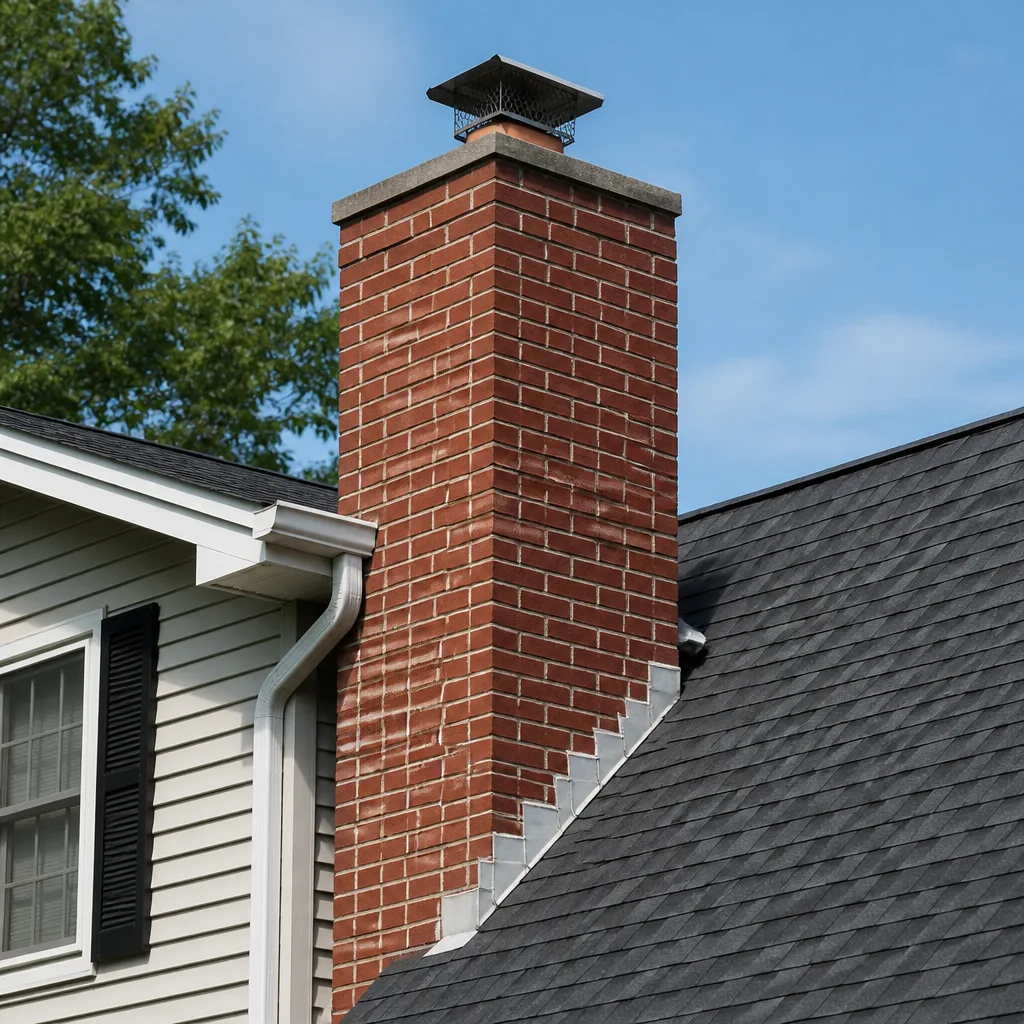
- Stucco cracking near the chimney base. Hairline cracks at the seam where the chimney chase meets the wall are common as the stucco ages. A crack that widens over time, or that lets daylight through, is a structural question, not a cosmetic one. Look especially at the inside corner where the chimney rises past the roofline.
- Rust streaks below the cap. A streak of orange-brown running down the exterior from the top of the chimney usually means the cap or the metal components under it are corroding, or that water is pooling where it shouldn’t. Rust on the outside often means rust on the inside of the flue too, which weakens the metal.
- Dark staining around the crown. The crown is the concrete slab at the very top of the chimney. Dark streaks radiating from the crown toward the edges typically mean water is soaking into the crown and running down the sides. A crown with visible cracks, or one that’s flaking apart, is no longer shedding rain the way it should.
- Spalling brick. If the outer face of a brick is flaking off in sheets, moisture is trapped inside it. This is what happens when efflorescence gets painted over or when the crown has been leaking for more than a season.
- Dark staining around the firebox. Black or brown streaks on the stone or brick surround, especially at the seams, suggest smoke is escaping into the room rather than up the flue.
From the ground you can see the top of the chimney, the crown, the cap, and the upper walls. That’s enough to catch most of the serious problems. What you can’t see is the flue interior, and that’s where the camera inspection comes in. A camera run shows you the actual interior surface of the flue so the recommendation isn’t based on guesswork.
What Sounds Tell You: Animals, Airflow, and Debris
Noises in the chimney are the warning sign most homeowners report last, because they usually don’t notice them until they’re quiet and the house is still. The sound categories are different, and they separate into two distinct problems.
Animal sounds
Scratching, flapping, or chattering from above the damper usually means an animal has gotten in through an uncapped flue. Birds, squirrels, and raccoons find uncapped chimneys. In Miramar, a warm season combined with a cap that came loose is the classic combination. Droppings and nesting material inside the flue are a fire hazard because they block airflow and can catch a spark.
Airflow sounds
A whistling, moaning, or howling sound when there’s wind, or a low rushing sound when there isn’t, typically points to a draft problem. A partially blocked flue, a cracked flue tile letting air pass behind the liner, or a missing cap that changes how wind hits the opening can all produce these sounds. Whistling in particular often means air is forcing its way through a narrow gap.
Debris sounds
A rattling or scraping sound when wind blows, or a light thud when the fireplace is lit, usually means loose debris is sitting on the smoke shelf or falling onto the damper. Creosote flakes, mortar fragments, and dried leaves all produce this.
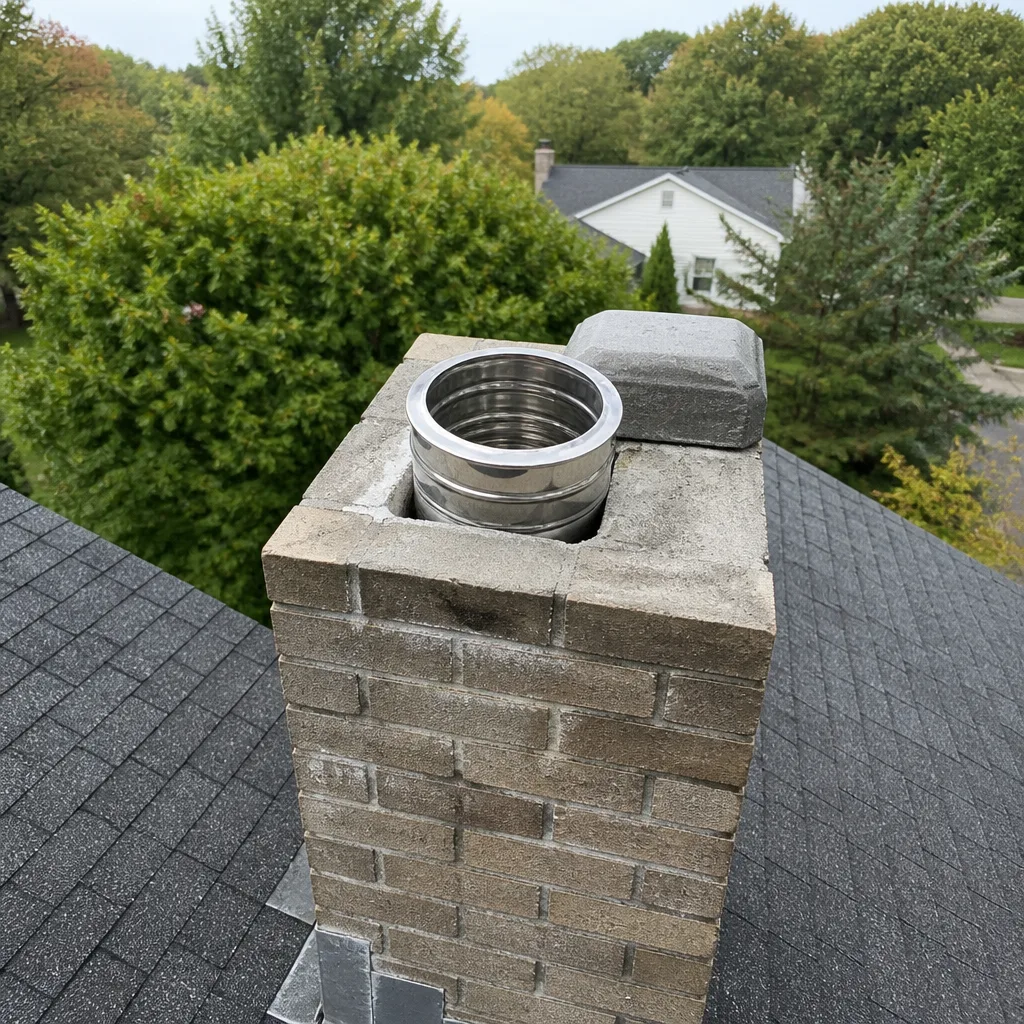
All three categories require a professional look, because none of them resolve themselves and all three can indicate a fire or ventilation problem. A camera inspection identifies the actual cause rather than the symptom, and the fix might be as straightforward as a cap and a sweep. If the flue interior is damaged, the repair may involve a HeatShield ceramic resurfacing, which is a system designed for exactly that kind of interior deterioration.
What a Smoky Room Actually Tells You: Five Causes
Smoke rolling out of the fireplace into the room is the symptom homeowners worry about most, and it’s also the one with the widest range of causes. There are five distinct possibilities, and they’re separate problems that need separate answers. Once you understand them you can identify which one fits without opening the flue and poking around yourself.
- Blocked flue. Debris, a bird nest, or a collapsed flue tile is obstructing the path. The fire gets air from the room because it can’t get it up the chimney. This is the most common cause of sudden smoke backing up, and the one that’s easiest to confirm with a camera inspection.
- Improperly sized flue. A firebox that’s too large for the flue it vents through will smoke. The fire wants more air than the flue can move. This is a design problem, and the fix is often a liner sized correctly for the firebox rather than a larger chimney.
- Cold flue. On the first fire of the season in a cool spell, the flue is filled with cold air. The fire has to push that column out before it can draw. A brief puff of smoke at start-up that clears quickly is normal. A smoky room that persists well into the burn is a draft problem, not a cold-flue problem.
- Negative pressure in the house. Bathroom exhaust fans, kitchen hoods, and even a central air system pulling air can depressurize a room and pull smoke down the flue. A smoky fireplace that only smokes when another fan is running points to this.
- Cracked flue or firebox. A gap in the flue tile or the firebox lets air bypass the fire and throws the draft off. It’s also the most serious of the five, because a crack can let combustion gases into the house instead of out.
Notice the pattern. Causes one and five need an inspection. Causes two and four need a design or pressure answer. Cause three is a temporary condition that resolves itself. The inspection is how you tell which one is yours. The fix may be a swept flue, an installed cap, a correctly sized DuraFlex or Olympia Chimney liner, or a HeatShield resurfacing to close a crack. That range is exactly why a proper inspection comes before a recommendation.
Monitor-and-Schedule vs. Stop Using the Fireplace
The distinction between “schedule a sweep” and “stop lighting it tonight” is the question homeowners most need answered and the one most guides skip. Here’s how we frame it.
Monitor and schedule
These signs are worth an appointment but don’t mean you need to stop using the fireplace for normal use:
- Efflorescence that has appeared but isn’t growing or returning after cleaning.
- A musty smell you notice in damp weather but that a fire clears out within an evening.
- Rust starting to show below the cap.
- Stucco cracks at the chimney seam that haven’t widened.
- Debris rattling or scraping, with no sign of smoke backing up and no smell of burning.
- A smoky room on the first fall fire that clears once the flue warms up.
None of these is a reason to panic. They’re a reason to book the chimney sweep and inspection before the next season so nothing has a chance to develop.
Stop using the fireplace
These signs mean stop lighting fires and get an assessment before the next one:
- Smoke backing into the room on every fire, not just the first one of the season.
- A sharp acrid smell that remains in the house after the fire is out.
- Any visible crack or gap in the firebox brick or the flue tile.
- Visible animal nesting material or droppings in the firebox or on the damper.
- A chimney that’s producing a sound and hasn’t been inspected since the sound started.
The one sign that’s genuinely urgent: a crack in the firebox or flue combined with any sign of smoke or burning smell in the room. That’s about combustion gases getting into the home rather than leaving it, and it’s the moment to stop and call rather than wait for a convenient week. We answer 24/7. A call outside dispatch hours is booked into the next opening, Sunday through Friday, 7am to 7pm.
Common Mistakes to Avoid
- Painting over efflorescence. Paint traps the moisture inside the masonry, and the next stage is the face of the brick flaking off in sheets. Clean it, find the source, and fix the source.
- Waiting for a creosote fire before booking a sweep. In a Miramar home that burns a handful of times a season, the danger isn’t a heavy deposit. It’s the thin glazed layer, plus blocked airflow from a loose cap, plus an infrequent-check habit. Those combine quietly.
- Assuming a musty smell is a creosote problem. In our experience, the earthy, damp smell is far more common here than the acrid creosote smell, and it usually means moisture, nesting material, or a blocked flue rather than heavy creosote. Starting from the wrong cause wastes a service call.
- Hiring a general handyman for a flue repair. A handyman can patch a crown. A HeatShield ceramic resurfacing to repair a deteriorated flue is a different job, with a different product, and most handymen have never applied it. Ask what system is being used before you approve the estimate.
- Treating a smoky fireplace as a draft problem you can fix with an adjustable damper alone. An adjustable damper changes the draw. It doesn’t fix a blocked flue or a cracked flue tile. If the cause is one or five on the list above, only an inspection finds it.
- Leaving the flue uncapped through the rainy season. An uncapped flue is how water gets in. It’s also the way most Miramar animals get in. A cap is a small job that eliminates both.
- Relying on a previous cleanup to cover the current season. A sweep from a few years ago doesn’t reflect what’s in the flue now, and in a humid climate the interior condition changes even when nothing has been burned.
When to Call a Professional
Call when you’ve found any of these: a persistent white or dark stain on exterior masonry; rust starting below the cap; a musty or acrid smell that doesn’t clear; a smoky room on more than the first fire of the season; scratching or flapping from above the damper; a visible crack in the firebox or flue; or a chimney that hasn’t been inspected since before your last burn season. Our technicians have up to experience reading exactly these signs, and the inspection is how we confirm which cause is yours before we recommend anything. Chimney Sweep Miramar offers free estimates in Miramar. Call (866) 942-9444. We answer 24/7. Fast dispatch from 7am to 7pm, Sunday through Friday. If you’d rather start with how the sweep and inspection work, the Chimney Sweep Miramar page covers the full sequence.
Frequently Asked Questions
The most reliable signs are a musty or earthy smell that persists when the fireplace is cold, white efflorescence or dark staining on the exterior masonry, rust below the cap, smoke backing into the room, and debris or animal sounds above the damper. Any one of these earns an inspection. If you’re seeing two or more together, don’t wait for the next burn season; call (866) 942-9444 for an exact quote, and remember the estimate is free.
A musty smell almost always points to moisture in the flue or organic material decomposing inside it, not to creosote. In Miramar, the pattern is a fireplace that sits idle for months, a flue that stays cool and damp, and a cap that’s loose or missing, and those together produce the earthy smell. Creosote produces a sharper, tarry smell that gets stronger on warm days. A camera inspection tells you which one you have. Call (866) 942-9444 for an exact quote, and the estimate is free.
For most Miramar homes that burn occasionally, an annual inspection is the sensible baseline, and a sweep whenever the inspection shows deposits or blockage. A home that burns several times a month during cooler spells should be on a stricter check. A home that burns once a year still needs an annual inspection because the humid interior condition matters more than how much you burned. Our technicians have up to experience judging that line. Call (866) 942-9444 for an exact quote, and the estimate is free.
Skipping an inspection doesn’t create a problem; it lets existing problems grow quietly. A crack in a flue tile that would have been a HeatShield resurfacing two seasons ago can become a structural question. A blocked flue that would have been a quick sweep can become a smoke-in-the-room situation. None of that happens overnight, and that’s exactly what makes a scheduled inspection the cheaper path. Call (866) 942-9444 for an exact quote, and the estimate is free.
Not always. A localized crack may be repairable with a HeatShield ceramic resurfacing, which is a different job than a full reline. A more extensive deterioration may call for a DuraFlex or Olympia Chimney liner system. Either way, the answer depends on what the camera shows. Nothing gets recommended on this page that we can’t show you on the inspection footage. Call (866) 942-9444 for an exact quote, and the estimate is free.
Not always, but it shouldn’t be ignored. Whistling in the wind often means air is forcing through a gap in the flue or under a cap, which can be as simple as a loose or improperly fitted cap. A scraping or thudding sound usually means debris or an animal above the damper, and that’s worth an inspection before the next fire. We supply and install Gelco and Famco caps, so a cap fix can happen during the same visit as the inspection. Call (866) 942-9444 for an exact quote, and the estimate is free.
The Bottom Line
Chimney warning signs in Miramar show up differently than the same signs in cold climates, and reading them correctly is what keeps a small fix small. Watch for efflorescence, staining, rust, and stucco cracks from the ground, listen for animal and airflow sounds, and treat a musty smell as a moisture problem first. Separate the monitor-and-schedule signs from the stop-using-the-fireplace signs, and act on the second list immediately. A camera inspection tells you which cause is yours, and it means nothing gets recommended that you can’t see on the footage. Chimney Sweep Miramar provides chimney sweeping, inspection, and repair in Miramar under one visit, and we show you what we find before any work begins. Call (866) 942-9444. We answer 24/7. Fast dispatch from 7am to 7pm, Sunday through Friday, closed Saturday. The estimate is free.
Written by the team at Chimney Sweep Miramar.
See the difference
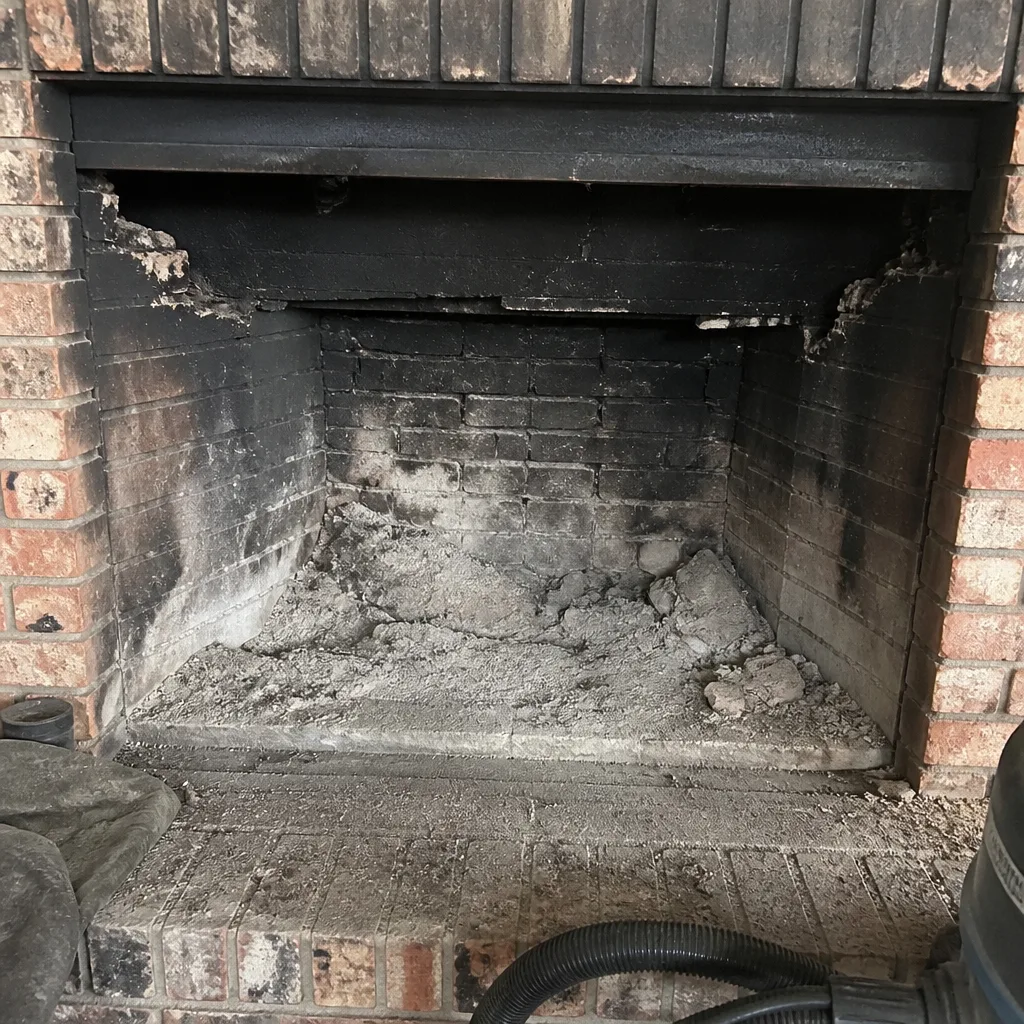 Before
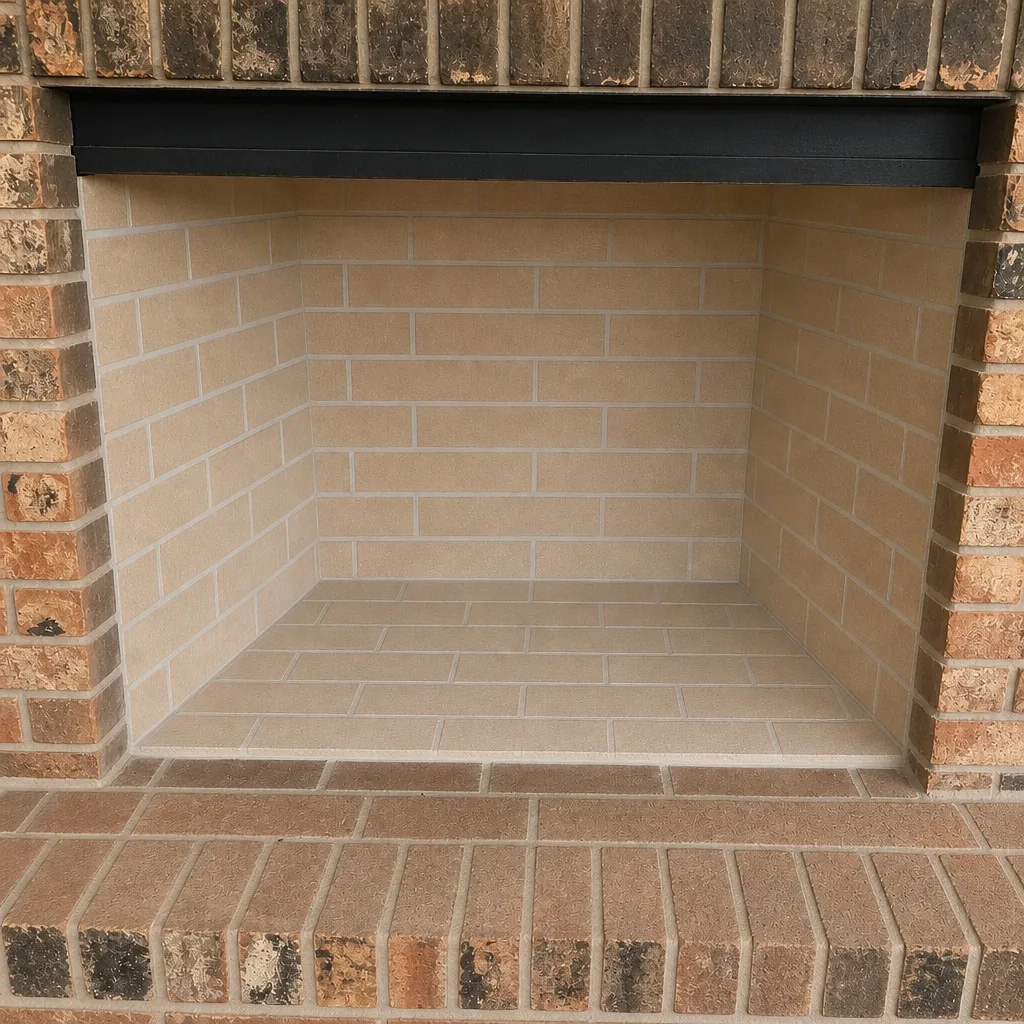 After
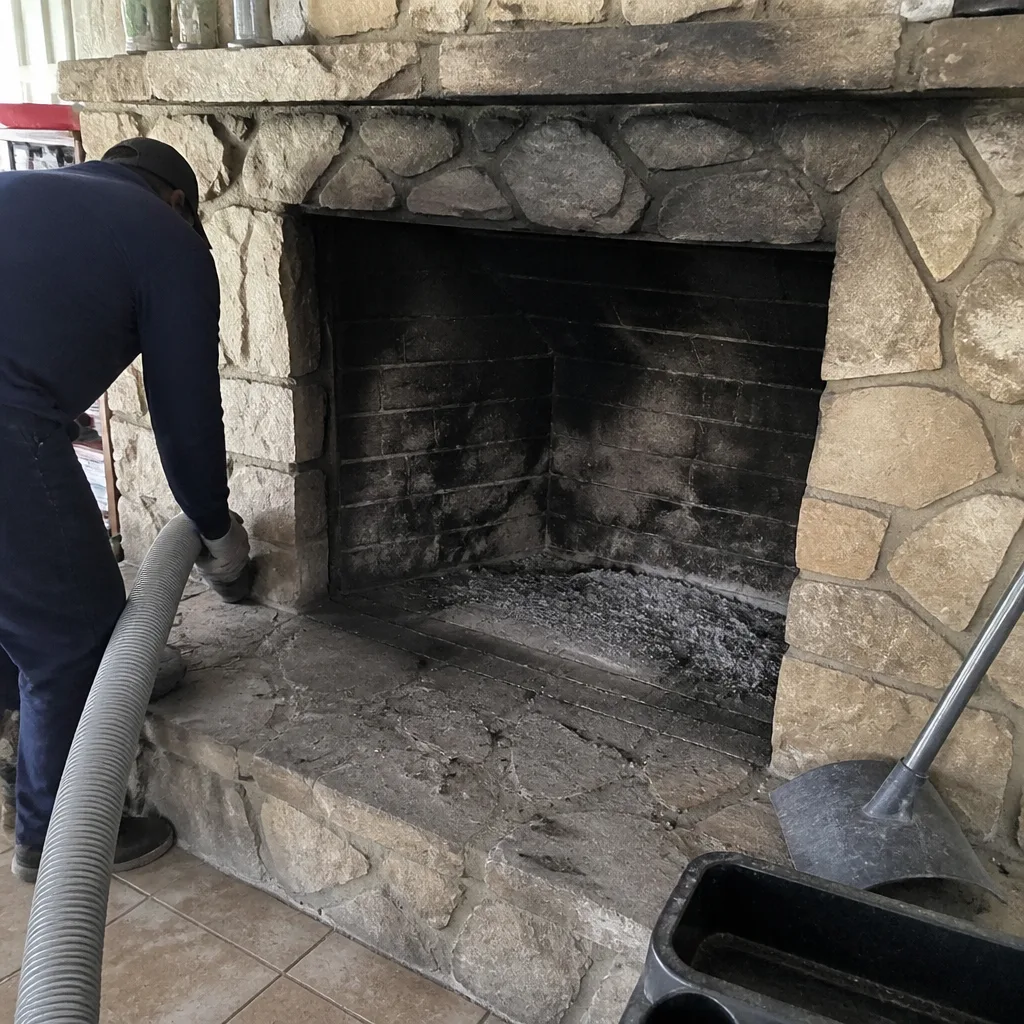 Before
 After
 Before
 After