
Last updated November 16, 2026
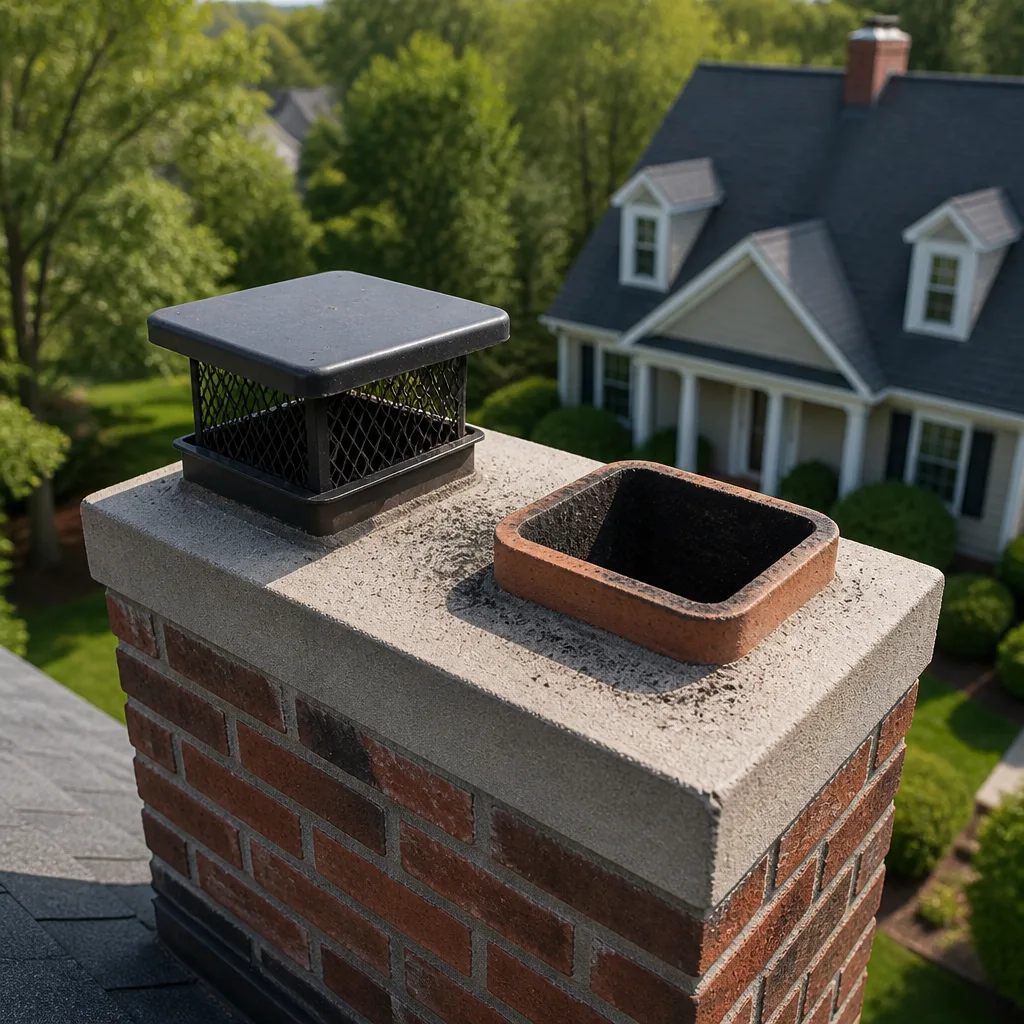 Sweep & inspection
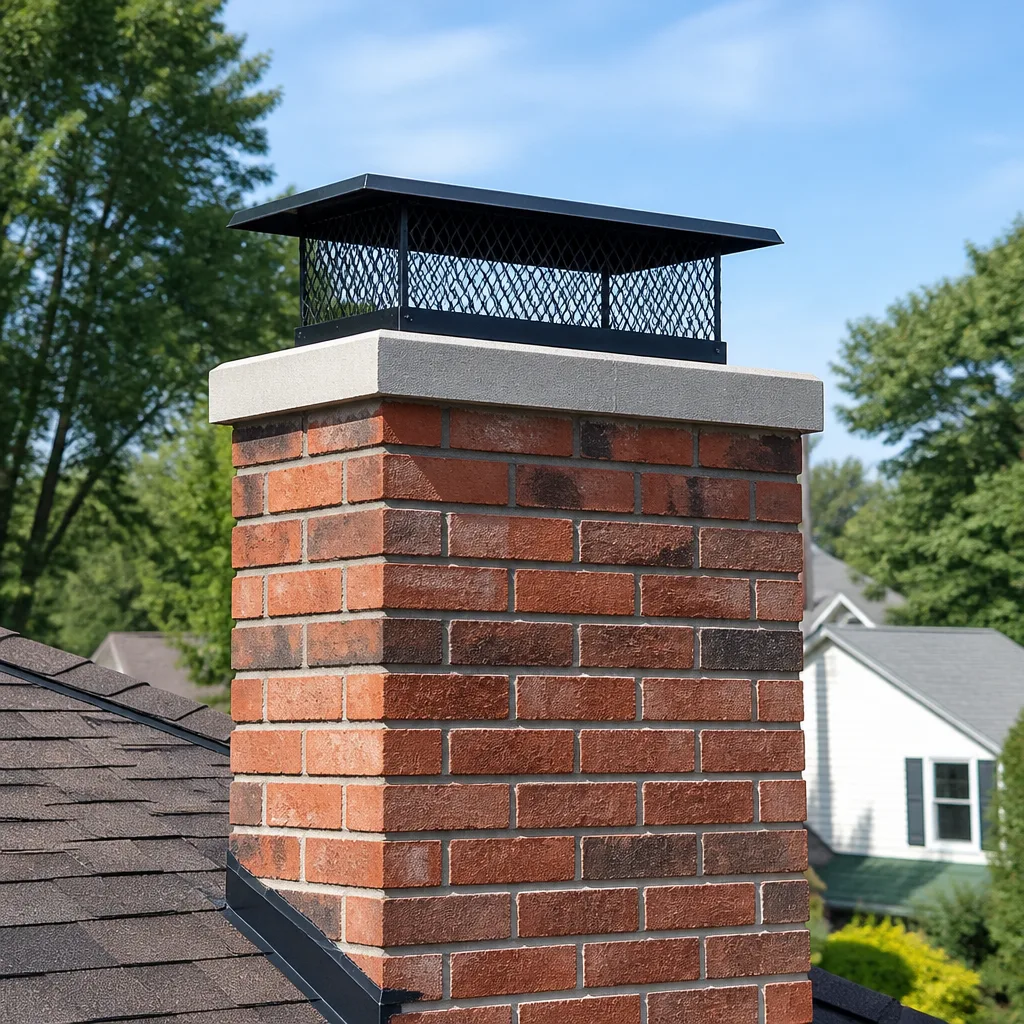 Caps & crowns
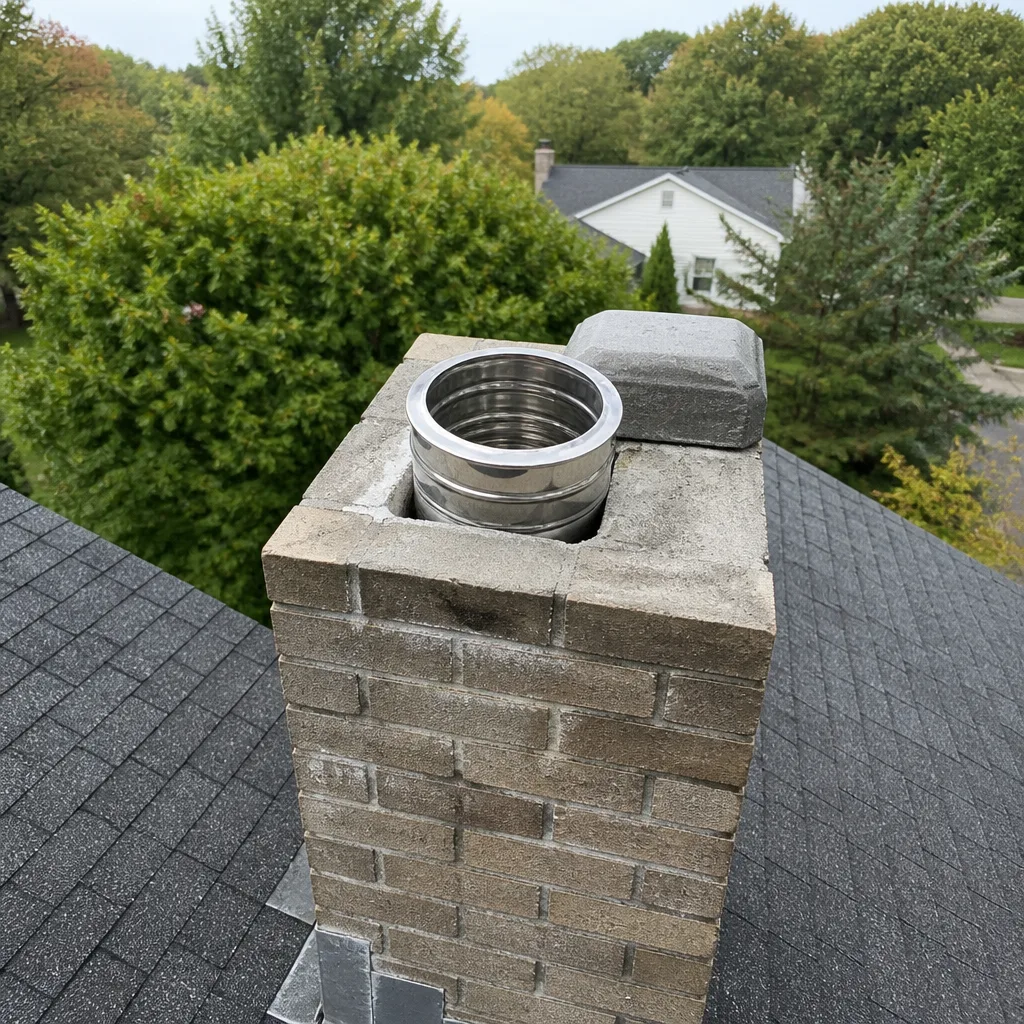 Flue relining
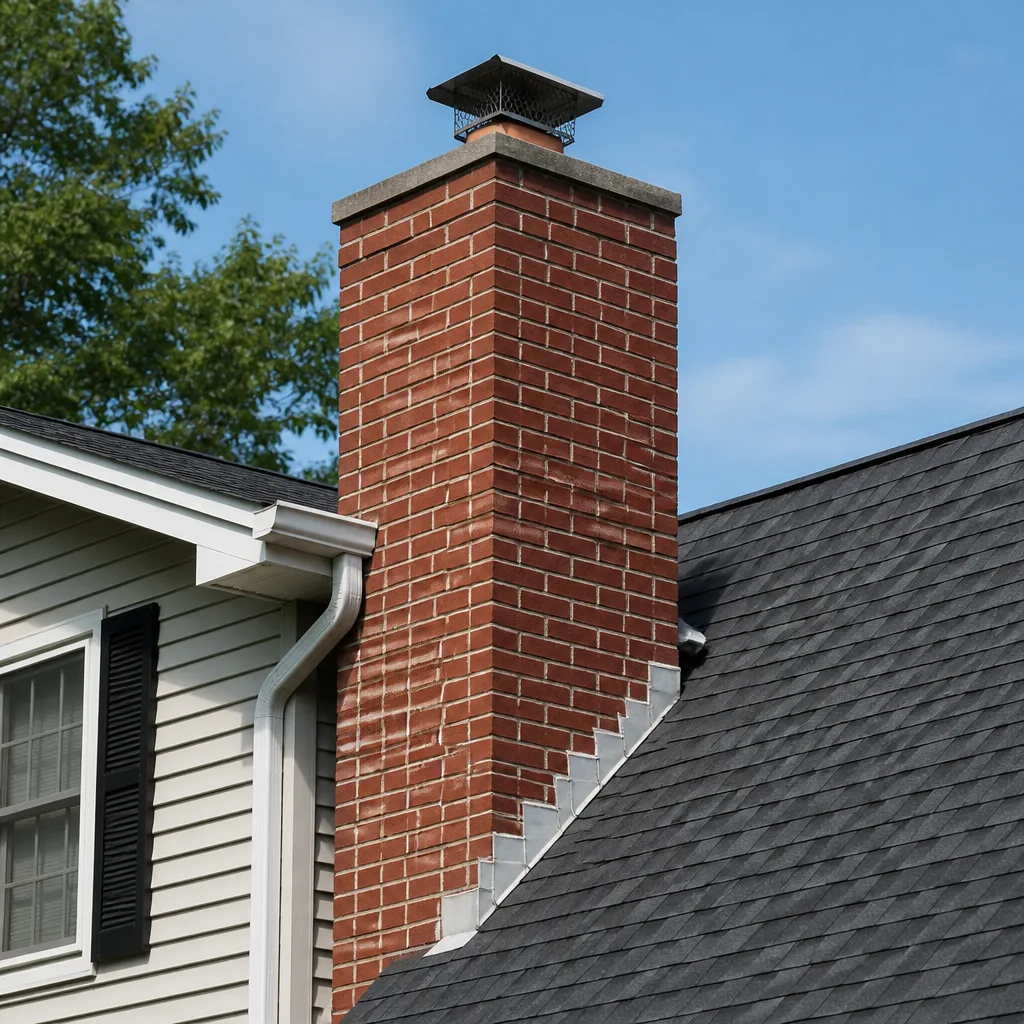 Masonry repair
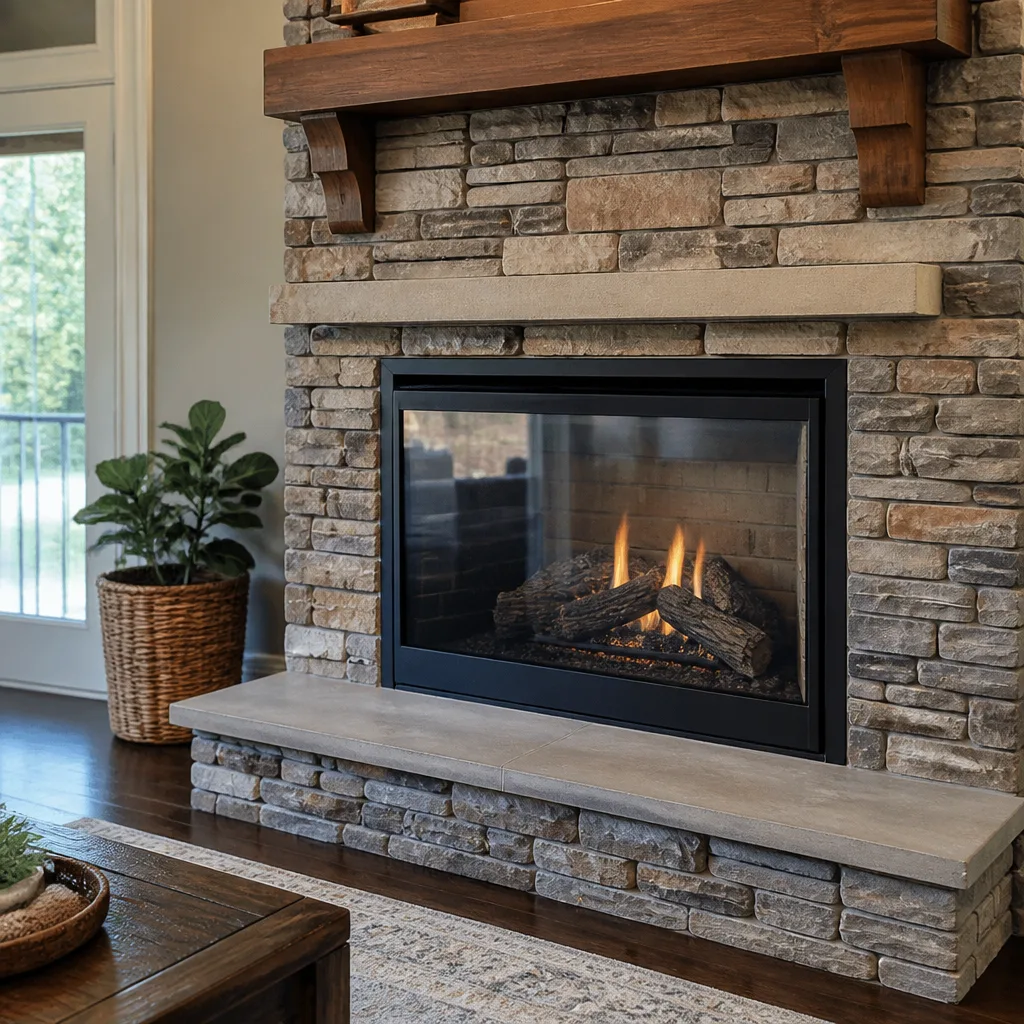 Gas fireplace service
Level 1 sweep and inspection to the NFPA 211 annual standard - flue, crown, cap, and flashing checked and photographed
Chimney sweep logs do not sweep chimneys. They loosen some creosote - which then falls where a brush and vacuum still have to collect it.
Chimney Cleaning Emergency Preparedness Guide for Miramar Homes
Most Miramar homeowners think of a chimney emergency as a fire happening inside a fireplace. The bigger risk is the fire that happens inside a flue you haven’t looked at in years. A large share of Miramar homes have prefabricated metal fireplaces, and when those ignite a creosote fire, the metal components can warp and fail in ways that open direct pathways into wall cavities. This guide covers both kinds of chimney emergencies: the acute events like chimney fires and carbon monoxide incidents, and the slow-developing hazards that become emergencies the first time you light the fireplace. You’ll learn what a chimney fire actually sounds and smells like, what to document before you ever need to call 911, and how to prepare a Miramar home for the first fire after a storm.
Quick Answer
If you suspect a chimney fire, call 911 first, get everyone out of the house, and do not close the damper as your first move. Before the heating season begins, have a chimney sweep clear creosote and an inspection check the liner, so a slow hazard doesn’t turn into an acute one. Preparedness in Miramar means a documented chimney system, working smoke and carbon monoxide alarms, and a flue that’s been verified clear since your last lighting.
Styles & brands we work with
- Sweep & inspection
- Caps & crowns
- Flue relining
- Masonry repair
- Gas fireplace service
Table of Contents
- The Two Kinds of Chimney Emergencies in Miramar
- How to Recognize a Chimney Fire in Progress
- Immediate Actions if a Chimney Fire Starts
- Carbon Monoxide Risk in Miramar Homes
- What to Have Documented Before an Emergency
- Post-Storm Emergency Protocol
- Preventing the Emergency in the First Place
- Common Mistakes to Avoid
The Two Kinds of Chimney Emergencies in Miramar
Chimney emergencies in Miramar fall into two categories, and they call for different responses. Knowing which one you’re facing shapes everything you do in the first five minutes.
The first is the acute event. A chimney fire is burning in the flue right now. A carbon monoxide alarm is sounding because exhaust is backing into the living space. A block of creosote or a collapsed liner fragment has choked the flue, and smoke is filling the room. These are the emergencies that need 911 and immediate evacuation.
The second is the slow-developing hazard. Nothing is on fire. But a cracked liner, a nest packed into the flue, or a cap that came loose in a storm has compromised the system. These sit quietly until the first cold night you light the fireplace, and that’s when they become acute. We see this pattern repeatedly: a home in a neighborhood like Sunset Lakes or Monarch Lakes that hasn’t had the flue checked in several years, a bird nest or a fallen cap blocking the passage, and the first fire of the season pushing smoke and carbon monoxide straight back into the room.
Preparedness means planning for both. Most homeowners have a plan for neither. They have a fire extinguisher under the kitchen sink and a vague idea that the chimney “should be fine” because nothing has gone wrong yet. A prepared Miramar home has three things a typical home lacks: a chimney system that’s been inspected and swept recently, working alarms in the right places, and a written record of what kind of fireplace and venting the house actually has.
If you’re not sure which category your chimney falls into right now, that uncertainty is the answer. An inspection removes it.
How to Recognize a Chimney Fire in Progress
A chimney fire doesn’t always look like a fire. Many burn quietly inside the flue, visible only as an unusual sound or smell. Learning the specific cues is the single most useful piece of emergency prep we can pass along.
This matters more in Miramar than in older masonry-heavy markets. A lot of Miramar housing stock uses prefabricated fireplaces with metal chimneys, and a fire inside those systems can behave differently from one in brick and mortar. The metal flue can’t absorb heat the way masonry does. It warps, seams separate, and heat can reach framing that brick would have shielded. That’s why identifying the problem early and calling 911 rather than waiting protects the whole structure, not just the fireplace.
Sounds
A chimney fire is loud in a way normal combustion is not. Listen for a low roar that sounds like a distant freight train or a strong wind rushing through a tunnel. You may hear popping and cracking, which is creosote igniting in bursts, or a tapping like metal expanding. Normal burning should be quiet even background crackle, not a sustained roar.
Smells
Creosote burning smells different from wood smoke. It’s sharper, acrid, and hot, and it can carry a chemical or tar-like edge. You may smell the same thing inside the room even though the damper is open, which suggests exhaust is coming back down the flue instead of going up.
Visual Cues
From outside, look at the chimney top. Dense smoke, sparks, or flames visible at the crown are obvious. So is an unusual amount of heat coming off the chimney or a glowing patch on the venting. Inside, watch for smoke backing into the room, a damper you can’t comfortably touch, or discoloration on the fireplace face. A chimney that was fine and is suddenly radiating heat you can feel from a few feet away is worth a call to 911.
If any of these signs is present, treat it as an active chimney fire. The next section covers the response.
Immediate Actions if a Chimney Fire Starts
The correct sequence when a chimney fire starts is evacuate, call 911, then protect the house from the inside only if it’s safe. The most important thing to get right is what not to do first.
Closing the damper is the wrong first move. It seems intuitive, since shutting off the air supply should starve a fire. But many homeowners, panicked, close the damper immediately and then evacuate, believing they’ve stopped the problem. Often the fire doesn’t go out, the trapped pressure and heat find another path, and the fire is now burning behind a closed damper where the fire department can’t easily see it. Worse, closing the damper can push smoke and carbon monoxide back into the living space while people are still inside. Ventilation is what you want in the first seconds, not containment.
Follow this order:
- Get everyone out. Adults, children, pets. No one stays inside to film, to grab valuables, or to check the flue. Leave the fireplace door closed as you go.
- Call 911 from outside. Say “chimney fire” clearly. The dispatcher will ask what kind of chimney you have, so have that answer ready (see the documentation section below).
- Don’t try to put it out with water. Throwing water on a hot metal flue or into the firebox can cause burns, steam, and structural problems, and it won’t reach the fire where it actually is.
- Don’t close the damper as an emergency stop. Leave ventilation to the fire department. Once they arrive, follow their instructions on the damper and the firebox.
- Keep the area clear and stay out. Don’t re-enter until the fire department tells you the structure is safe. A chimney fire that looks out can flare back up.
- Request a chimney inspection afterward. No chimney should be used again after a fire until a professional has inspected the entire system. That’s what chimney repair work here begins with: verifying the liner, the venting, and the connections before the fireplace is used again. That inspection is where a professional-grade approach matters. We use HeatShield for flue resurfacing and DuraFlex or Olympia Chimney liners when the existing liner can’t be safely restored, so a recommendation comes with the material solution, not just a diagnosis.
The single best thing to do in a chimney fire is the least heroic: get out, call for help, and let the fire department handle the fire. Your chimney will need professional attention after, but that comes second.
Carbon Monoxide Risk in Miramar Homes
A blocked flue is a carbon monoxide risk even when nothing is burning, and in Miramar the highest-risk setup is often a gas fireplace in a room the family rarely uses. That’s the counterintuitive part. The appliance that “never gets used” is the one that quietly develops a problem.
Carbon monoxide is invisible, has no smell, and doesn’t announce itself. It’s produced any time fuel burns: wood, gas, propane. In a properly functioning chimney or vent, all of it leaves the house through the flue. When the flue is blocked, cracks, or loses its draft, carbon monoxide comes back down into the room instead of going up and out. A gas fireplace that sits unused for months is a perfect candidate: a nest can be built in the flue, a cap can come loose, a liner can crack, and nobody notices because nobody is lighting it.
The symptoms people often attribute to something else:
- Headaches that show up or get worse at home and ease when away
- Dizziness, nausea, or fatigue without an obvious cause
- Confusion or shortness of breath in otherwise healthy people
- Pets getting sick before people do, because they’re smaller and lower to the ground
What makes CO especially dangerous is that people dismiss these as a cold or a long day. If anyone in the home has these symptoms and there’s a fuel-burning appliance nearby, get out and get fresh air, and don’t run the appliance again until the venting has been inspected. Working carbon monoxide alarms on every level of the home and outside sleeping areas are the first line of defense, and they’re cheap compared to the alternative.
We answer 24/7 at (866) 942-9444 if you’ve smelled exhaust, heard an alarm, or are unsure whether your gas fireplace is venting correctly. Fast dispatch from 7am to 7pm, Sunday through Friday.
What to Have Documented Before an Emergency
In an emergency, the information a 911 dispatcher or fire inspector will ask for about your chimney is knowledge you can only assemble calmly in advance. Spend fifteen minutes on this and keep it where you can grab it.
Here’s what to record:
- The type of fireplace. Masonry or prefabricated metal. Gas, wood, or pellet. This is the first question that comes up, and it changes how the fire department and any follow-up inspector think about the structure.
- The venting configuration. Where the flue runs, where it exits the roof, and whether it’s a straight run or has offsets. A photo of the chimney from the roof and from the ground saves time.
- Any installed components. Liners, caps, dampers, and their materials. If the system uses a DuraFlex or Olympia Chimney liner, note it. The fire department needs to know what’s inside the flue.
- The appliance model. Photograph the label on the fireplace or insert if there is one.
- Alarm locations. Where the smoke and carbon monoxide alarms are, and the date each was last tested.
- Access notes. Where the attic access and roof access are, and anything a firefighter would need to know about getting to the chimney.
Write this on a single page and keep it in a pocket of a folder with your home records, or snap photos of it on your phone. A fire inspector will want to know whether the chimney has been inspected recently and by whom, so keep the paperwork from your last inspection with it. If you don’t have one, that’s a good reason to book an inspection before the season starts.
The worst time to learn your fireplace’s model number is while a fire truck is pulling up. The best time is on a normal afternoon, in Miramar, with the fireplace unlit.
Post-Storm Emergency Protocol
In South Florida, the first fire of the season often comes after a storm, and that’s when a clear flue is not optional. Wind, rain, and debris can pack a chimney or compromise its cap in ways that are invisible from the ground.
Hurricane season runs June through November, and the first cold night after a storm often arrives before anyone has thought about the fireplace. What happens to a chimney during a storm isn’t always dramatic. Debris blows against the cap, a cap comes loose or partially dislodges, small animals move into the newly accessible flue, and rain and nesting material combine into a blockage. None of that announces itself. You find out when you light the fireplace and smoke comes back into the room.
The protocol is straightforward:
- Visually check the exterior first. From the ground, look for a missing or displaced cap, cracked masonry, debris on the crown, and any visible damage to the top of the chimney. If anything is off, book an inspection before lighting.
- Have the flue inspected after any significant storm. A professional inspection confirms the flue is clear and the cap and liner are intact. We use Gelco and Famco caps and venting components, so a cap replacement is handled in the same visit rather than ordered and rescheduled.
- Clear the flue before the first fire. Even if the chimney looks fine from outside, debris or a nest can be packed inside. A chimney is a confined space; what’s visible from the top isn’t the full picture.
- Test the alarms. After any storm, check the smoke and carbon monoxide alarms on every level. If a storm has knocked out power, replace the batteries and confirm the alarms work before the fireplace is lit.
These four steps are what separates a prepared Miramar home from one that finds out the hard way. Skipping them saves nothing, because the inspection is the same visit as the sweep.
Preventing the Emergency in the First Place
Any emergency we’ve described can be made far less likely by one habit: having the chimney swept and inspected before the heating season, every year. A clean chimney is a measurable result, not a promise. The sweep removes the creosote that fuels chimney fires, and the inspection finds the cracks, blockages, and loose caps that become emergencies later.
Some prevention is your job between visits:
- Burn well-seasoned wood. Green wood produces more creosote. The difference shows up in the flue, not the fireplace.
- Never burn trash, cardboard, or wrapping paper. These flare hot and can send burning material up the flue.
- Keep the cap in good repair. A cap keeps animals and rain out. When it’s compromised, the flue is exposed. Gelco and Famco caps are what we install when a cap needs replacing.
- Test alarms regularly. Smoke and carbon monoxide alarms are the early warning system for every scenario in this guide.
- Pay attention to the first fire of the season. If smoke backs up, something is wrong. Don’t keep burning and hope it settles.
Prevention is the least expensive emergency plan there is. A sweep and inspection ahead of the season costs a fraction of the repairs a fire causes, and it’s the same visit either way.
Common Mistakes to Avoid
We’ve seen enough chimney situations in Miramar to know the mistakes that make an emergency worse or create one where there didn’t need to be one.
- Closing the damper as the first move. It feels protective but traps heat and gases where they can do more harm and pushes carbon monoxide back into the house. Evacuate and call 911 instead.
- Waiting to see if the fire goes out. A chimney fire can burn quietly for a while and then escalate. Any sign of a fire means 911, not a wait-and-watch.
- Assuming a seldom-used gas fireplace is safe. The ones used the least are often the ones most likely to have a cracked liner or nest nobody has caught. Have it inspected even if you rarely light it.
- Skipping the post-storm inspection. In South Florida, clearing and checking the flue after a storm isn’t optional if you want to use the fireplace safely. Animals and debris move in fast.
- Using the fireplace again after a fire without an inspection. A chimney fire can damage the liner in ways you can’t see. No fireplace should be used until the system has been professionally checked.
- Not having a carbon monoxide alarm. A CO alarm is an inexpensive piece of equipment and the most important one in a home with any fuel-burning appliance. Missing it removes your warning entirely.
- Relying on a general handyman for anything structural. A chimney system is a specialized piece of equipment. General contractors and handymen typically don’t stock or know how to apply the materials a real repair needs, and an inspection followed by the wrong repair leaves you exposed.
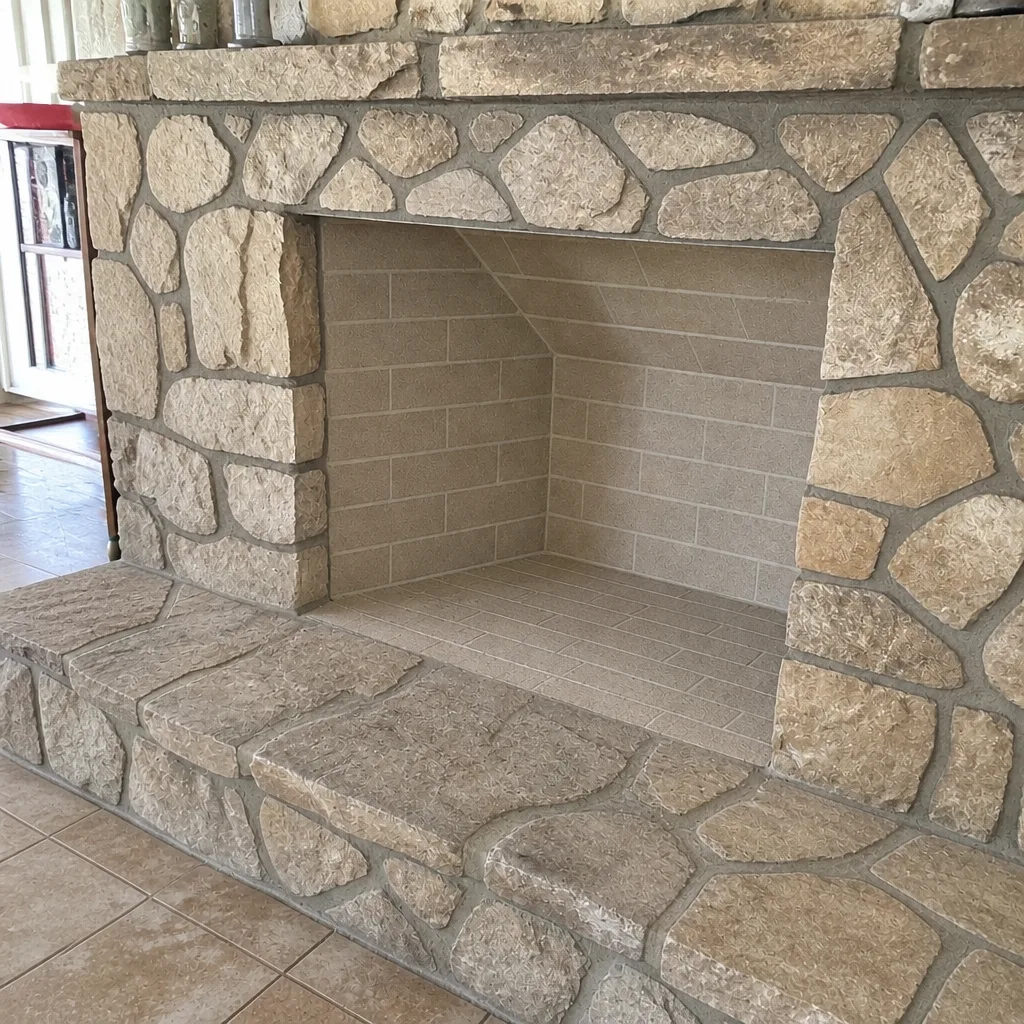
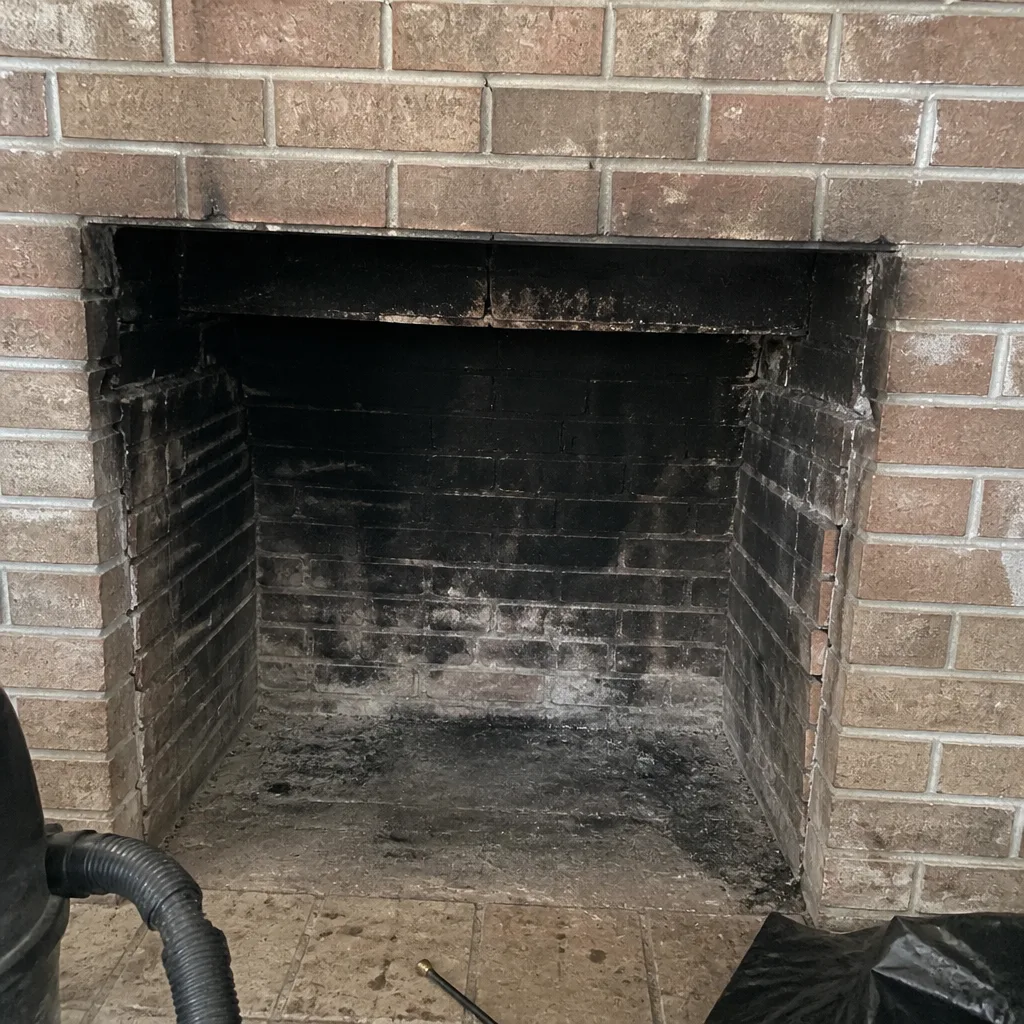
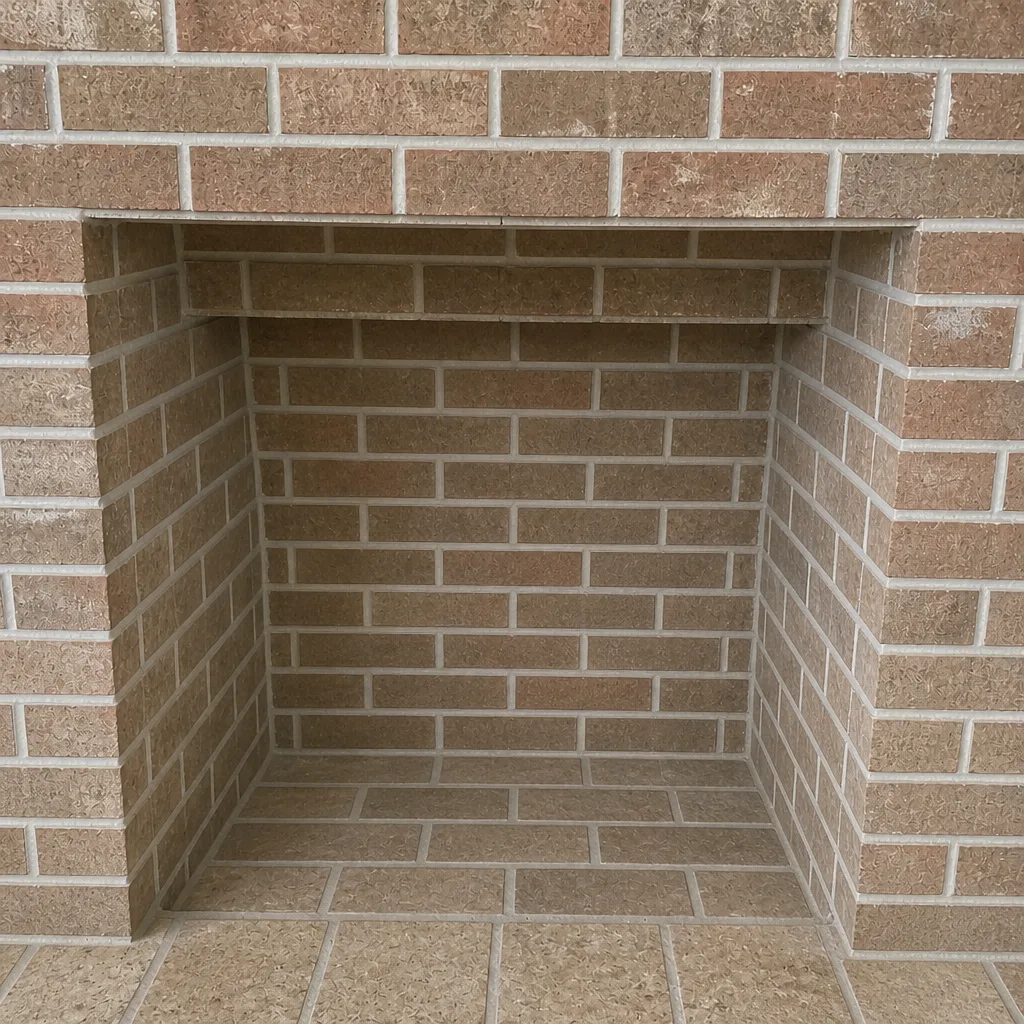
See the difference
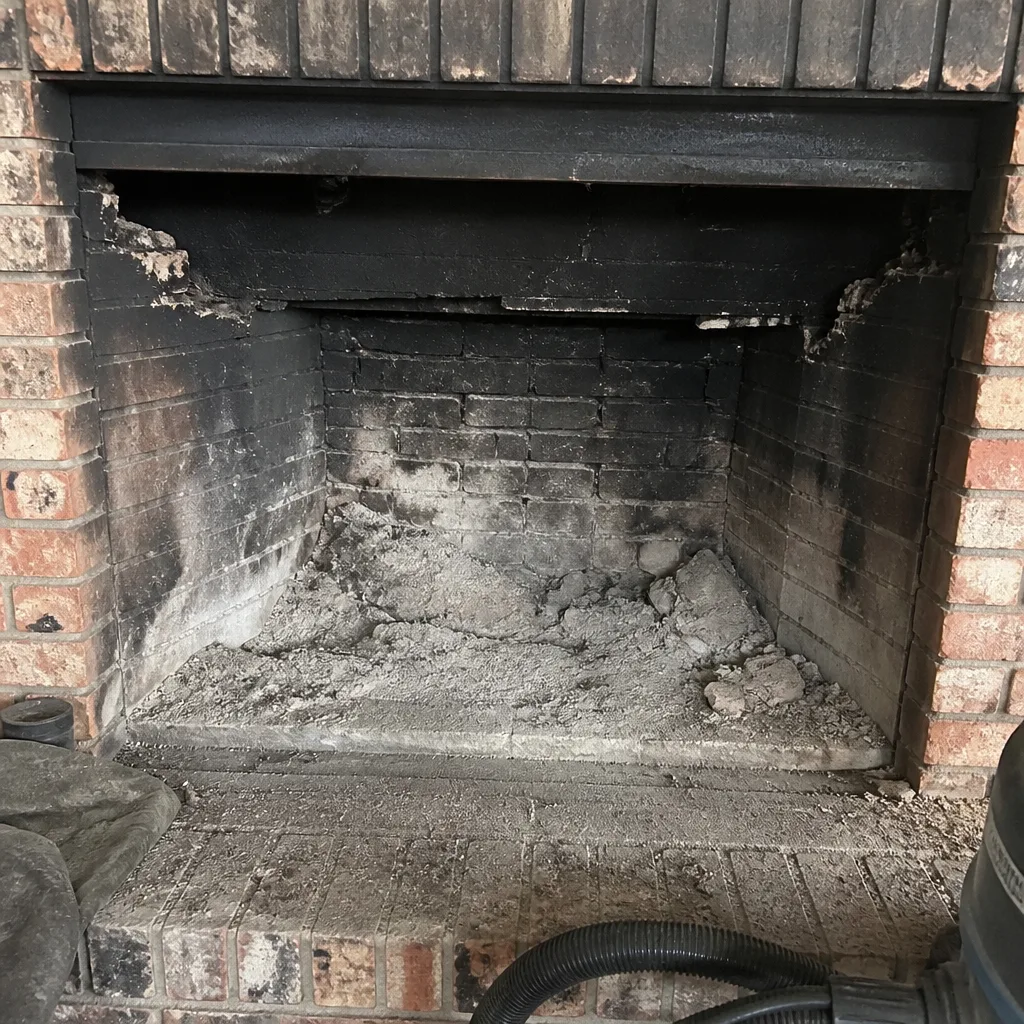 Before
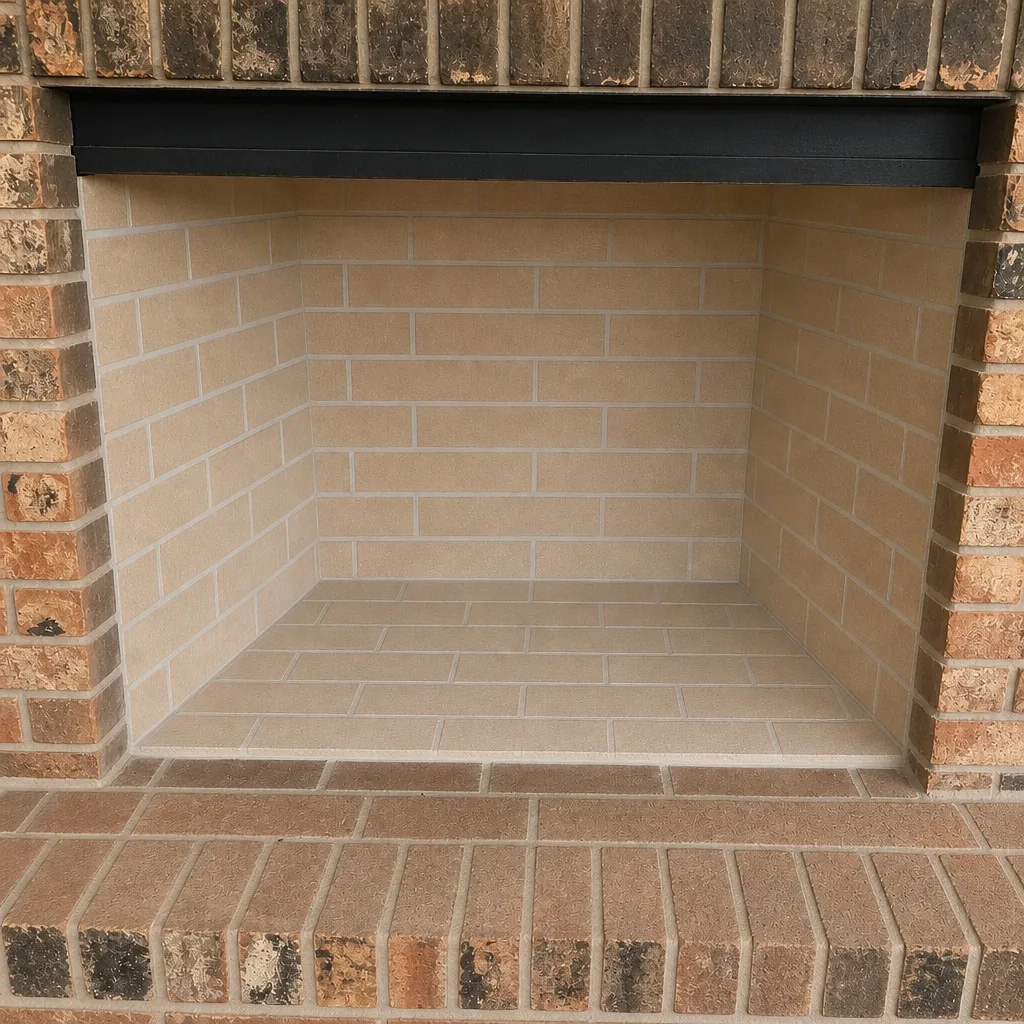 After
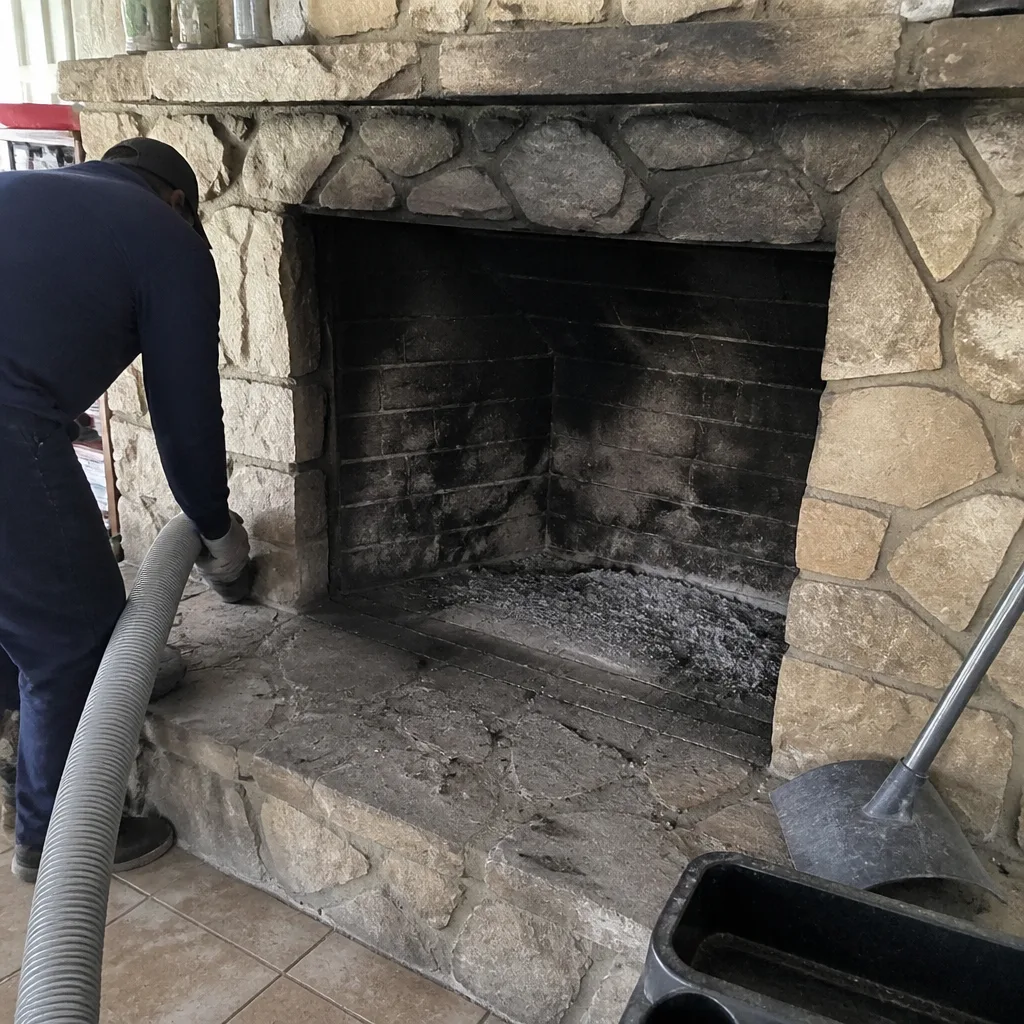 Before
 After
 Before
 After
When to Call a Professional
Some of this preparation is yours. Some of it shouldn’t be. Call a professional chimney service in Miramar when any of the following applies.
After any chimney fire, without exception. A fire can warp a metal flue or crack a liner, and using the fireplace again without an inspection is a gamble. If smoke backs into the room the first time you light the fireplace, that’s a sign the flue needs a professional look before you try again. If you smell exhaust or your carbon monoxide alarm has gone off, don’t run the appliance; have it inspected. After a storm, if you see a loose cap, debris, or damage, book an inspection and a sweep in the same visit. And if it’s been more than a year since the chimney was cleaned, you’re due, whether or not anything seems wrong. Those are the scenarios where calling a professional is the safe answer. A sweep, an inspection, and a repair are all work we handle in a single visit, so there’s no need to coordinate multiple contractors. The inspection identifies the safety and code issues before they become costly failures, and you’ll see what we find, in plain language, before any work begins. It’s also worth checking the Miramar building department’s requirements if your home has had structural changes, since local code can affect what’s required. Chimney Sweep Miramar offers free estimates in Miramar. Call (866) 942-9444. We answer 24/7. Fast dispatch from 7am to 7pm, Sunday through Friday.
Frequently Asked Questions
A chimney fire usually produces a low, sustained roar like a distant freight train or rushing wind, often mixed with popping, cracking, or a tapping sound from expanding metal. Normal burning is quiet background crackle, not a sustained roar. If you hear it, call 911 and get everyone out.
No, closing the damper is not the right first move. It can trap heat and gases where they cause more harm and can push carbon monoxide back into the living space. Get everyone out, call 911 from outside, and leave the damper to the fire department. Afterward, don’t use the fireplace again until the system has been professionally inspected.
Because nobody is checking it. A blocked or cracked flue behind a fireplace you rarely light can go unnoticed for months, and carbon monoxide has no smell or color. In Miramar homes, a gas fireplace that sits unused is often the one with a nest, a loose cap, or a cracked liner no one has seen. A carbon monoxide alarm and a yearly inspection are the protection.
Yes, if you plan to use the fireplace. Storms can lodge debris or nesting material in the flue, dislodge a cap, or damage the masonry at the top. None of that is reliably visible from the ground. Clearing and inspecting the flue before the first post-storm fire isn’t optional; it’s the safe step.
Document your fireplace type, venting, component materials, and alarm locations, and keep it with your home records. Test your smoke and carbon monoxide alarms, book a sweep and inspection before the heating season, and keep the paperwork from your last inspection. The information a dispatcher or fire inspector will ask for is the same information you can assemble on a calm afternoon.
Put the fire out safely, open a window, and stop using the fireplace. Smoke backing in usually means a blockage, a cracked liner, or a draft problem, and it needs a professional inspection before you light again. Call (866) 942-9444 for an exact quote, since estimates are free.
The Bottom Line
Chimney emergencies in Miramar come in two forms: the acute event that needs 911 and the slow hazard that becomes an emergency the first time you light the fireplace. Preparedness means responding correctly to the first and preventing the second. Know the sounds and smells of a chimney fire, get out and call 911 before doing anything else, keep carbon monoxide alarms working, document your system in advance, and have the flue cleared and inspected after a storm and before each heating season. The choice of qualified materials matters, and it’s part of why we work with professional-grade brands and built-in component solutions rather than generic substitutes. A single documented visit each year is the most reliable emergency plan you can put in place.
Contact
Whether you’re preparing for your first fire of the season, want the flue cleared after a storm, or need an inspection after a chimney fire, our team can help. Start with Chimney Sweep Miramar for reliable chimney care. Call (866) 942-9444 for a free estimate. We answer 24/7. Fast dispatch from 7am to 7pm, Sunday through Friday.
Written by the team at Chimney Sweep Miramar.