
Last updated November 16, 2026
 Sweep & inspection
 Caps & crowns
 Flue relining
 Masonry repair
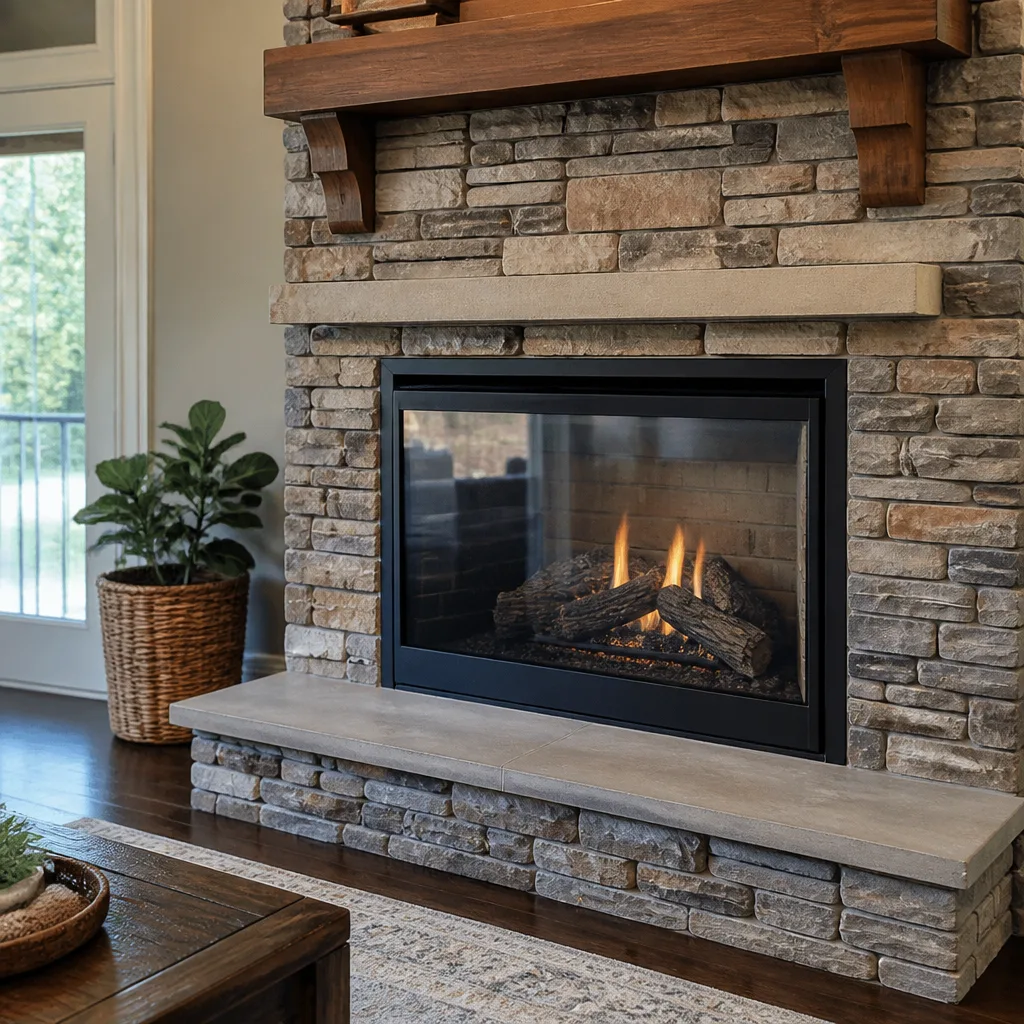 Gas fireplace service
Level 1 sweep and inspection to the NFPA 211 annual standard - flue, crown, cap, and flashing checked and photographed
Chimney sweep logs do not sweep chimneys. They loosen some creosote - which then falls where a brush and vacuum still have to collect it.
Chimney Cleaning Cost Breakdown: The Miramar Homeowner’s Reference for 2026
A chimney cleaning quote of $89 and a quote of $450 can describe the same chimney on the same street in Miramar. That gap is the single most confusing thing about shopping for this service, and it’s the reason so many homeowners end up either overpaying for work they didn’t need or underpaying for work that never actually happened. The cheap number usually buys a brush down an accessible flue and nothing more. The higher number usually buys a documented inspection, a camera scan, and a written record of what’s inside your chimney. In this guide we break down what each line item in a Miramar chimney quote actually covers, what realistic 2026 price ranges look like for sweeping, inspections, caps, and crowns, and how to read a quote so you can compare apples to apples instead of just numbers.
Quick Answer
Chimney cleaning in Miramar in 2026 typically runs $150 to $350 for a standard sweep, and a Level 1 inspection usually adds $75 to $150 when bundled with the sweep. A Level 2 inspection with a camera scan runs $200 to $450 on its own, cap replacement runs $150 to $600 depending on material grade, and a crown coat application runs $250 to $700. The final price is set by a written estimate after the technician sees the chimney, and anything below about $100 for a “full service” is almost always a brush-only sweep with no inspection.
Styles & brands we work with
- Sweep & inspection
- Caps & crowns
- Flue relining
- Masonry repair
- Gas fireplace service
Table of Contents
- What’s Actually in a Chimney Cleaning Quote?
- How Much Does a Standard Chimney Sweep Cost in Miramar?
- How Much Do Level 1 and Level 2 Inspections Cost?
- Cap Replacement and Crown Repair Pricing
- Why Material Grade Changes the Price
- Why Contractors Quote Such Different Numbers
- How to Read a Chimney Quote Line by Line
- When Bundling Saves Money and When It Doesn’t
What’s Actually in a Chimney Cleaning Quote?
A real chimney cleaning quote has four parts: the sweep itself, the inspection, any repair line items, and the terms that tell you what happens if the technician finds something unexpected. Most of the cheap quotes you see online only cover the first part and quietly leave the rest out. That’s not necessarily dishonest, but it does mean you’re comparing a full-service price against a partial-service price without being told.
Here’s what a complete quote should spell out line by line:
- The sweep – brush and vacuum work through the flue, firebox, smoke chamber, and damper area. The scope should say which components are included.
- The inspection – the level matters. A Level 1 visual check is different from a Level 2 camera scan, and the price gap between them is real.
- Repairs – any cap, crown, flashing, damper, or liner work quoted as a separate line item, not folded into the sweep price.
- Materials – the brand and grade should be named. A galvanized cap and a stainless steel cap are not the same product, even when the line item says “cap replacement.”
- What’s not included – a good quote tells you what it leaves out. If the quote is silent on inspections, that’s usually a signal there isn’t one.
In Miramar, a lot of homes have masonry chimneys with stucco exteriors, and the crown detail at the top is often where the first real deterioration shows up. A quote that inspects the flue but never looks at the crown isn’t covering the part of the chimney most likely to need attention in a subtropical climate. When you call Chimney Sweep Miramar, the quote you get before booking should tell you which parts of your chimney are being examined and which are being cleaned.
How Much Does a Standard Chimney Sweep Cost in Miramar?
A standard chimney sweep in Miramar in 2026 typically costs $150 to $350. The low end covers a straightforward single-flue masonry chimney with easy roof access. The high end covers taller chimneys, multiple flues, heavy creosote buildup, or a firebox and smoke chamber that need more than a quick brush pass.
What drives the price up within that range:
- Height and access – a chimney that requires a taller ladder setup or roof access takes longer and needs more safety rigging.
- Creosote stage – light, flaky creosote brushes out quickly. Glazed, tar-like creosote is a fire hazard and takes more aggressive removal work.
- Number of flues – a single flue is one price. A chimney serving a fireplace plus a furnace or water heater flue is more work.
- Appliance type – a wood-burning fireplace, a wood stove, and a gas appliance all need different cleaning approaches.
- Condition of the flue – an older clay-tile flue with gaps or spalling takes more care than a sound one.
We often hear from Miramar homeowners who booked a $79 or $89 sweep and got a technician who ran a brush down the flue in fifteen minutes and left. That’s a brush pass, not a cleaning. A proper sweep includes the firebox, the smoke chamber above it, and the damper area, and it ends with a clear statement of what the technician saw. If you want to understand what a proper sweep involves, our chimney sweep page walks through the process in detail.
One thing to keep in mind: price here reflects the scope of work, not the size of the house. A modest single-story home with a heavily used fireplace can cost more to sweep than a larger home with a chimney that’s rarely used. The technician quotes based on what’s actually in the flue, which is why a written estimate after a visual check is worth more than a flat price quoted over the phone.
How Much Do Level 1 and Level 2 Inspections Cost?
A Level 1 inspection in Miramar in 2026 typically costs $75 to $150 when added to a sweep. A Level 2 inspection with a camera scan typically costs $200 to $450 on its own. These are two genuinely different services, and the price gap reflects different equipment and different findings.
Level 1 inspection – a visual check of the readily accessible parts of the chimney: the firebox, damper, flue from the top and bottom where visible, and the exterior. It’s appropriate for a chimney that’s been regularly maintained and is being checked before the burning season.
Level 2 inspection – everything in Level 1 plus a video camera scan of the flue interior. This is the inspection that actually finds hidden problems: gaps in clay tile joints, cracks in the liner, offset flues, and the kind of internal damage you can’t see from the firebox or the roof. It’s the appropriate inspection after a chimney fire, after any change in appliance or fuel type, and whenever a home changes hands.
Here’s the numbered process we follow on a Level 2 inspection, which is useful to know so you can recognize one when it happens:
- Visual check of the firebox, damper, smoke chamber, and all accessible flue openings.
- Roof-level check of the crown, cap, flashing, and exterior masonry.
- Camera scan of the full flue length, with the technician watching the monitor as it moves through.
- Photo or video documentation of anything found, so you can see it yourself.
- A written report listing condition, any safety issues, and recommended work in plain language.
If a contractor quotes you for “an inspection” and can’t tell you which level, that’s a question worth asking before you book. Level 2 is what we recommend as the baseline in Miramar, because the combination of humidity and temperature swings here causes masonry to move and crack in ways a visual-only check can miss. A camera scan is the difference between knowing your flue is sound and hoping it is.
Cap Replacement and Crown Repair Pricing
A chimney cap replacement in Miramar in 2026 typically costs $150 to $600, with the material grade doing most of the work on that spread. A crown coat application typically costs $250 to $700, and a full crown rebuild or poured concrete crown runs higher. These are the two repair line items most often found during a sweep, and both are worth understanding before you’re quoted for them.
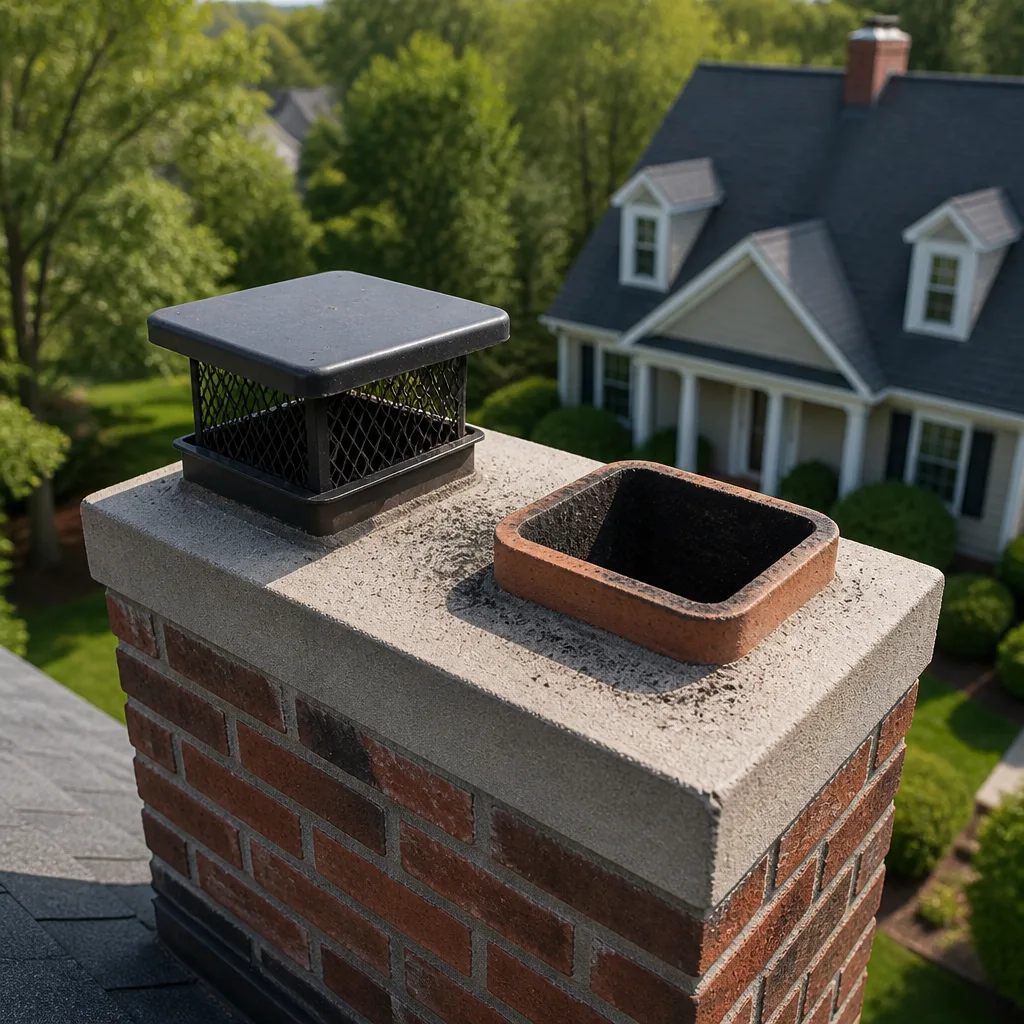
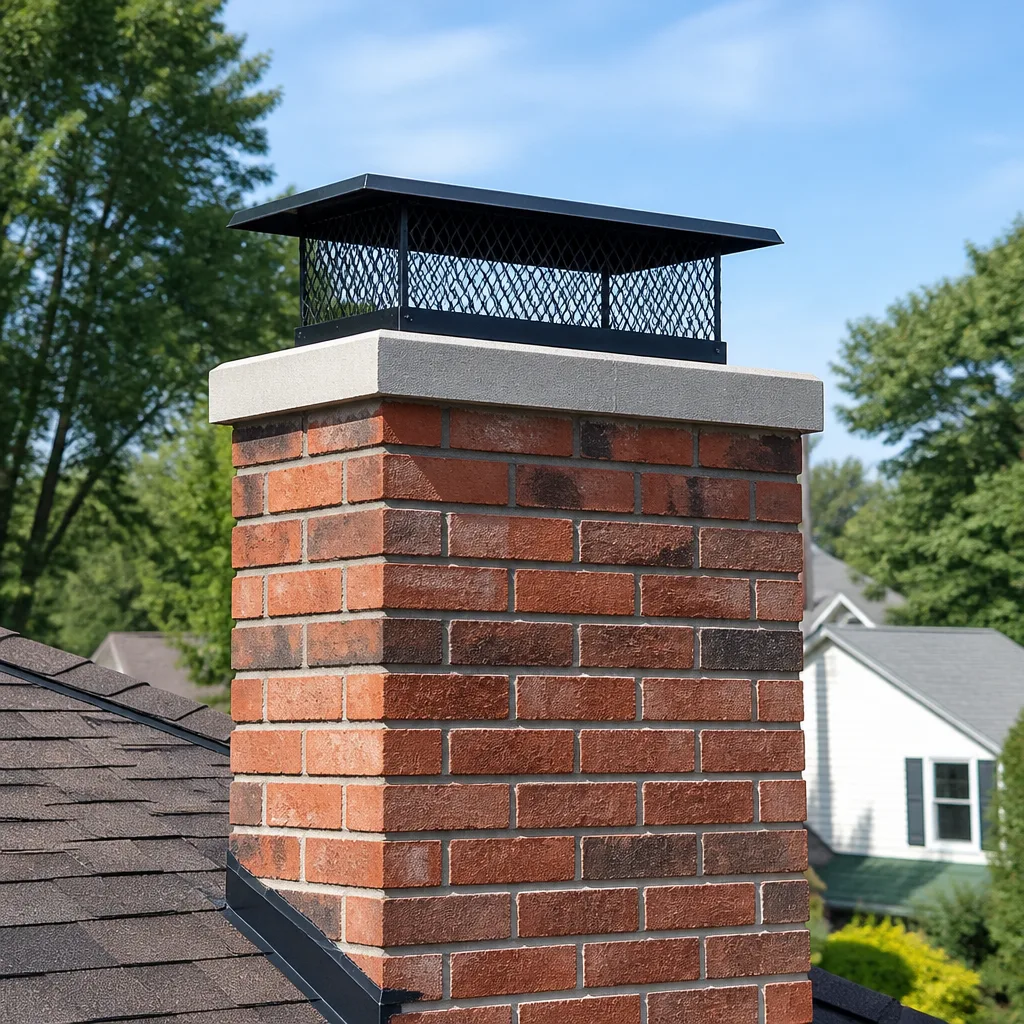
Chimney caps do three things: keep rain out of the flue, keep animals out, and spark-arrest where required. In a climate with heavy seasonal rain, a failed cap lets water into the flue and into the smoke chamber, which over time damages the masonry from the inside. A basic galvanized cap is the cheapest option and the shortest-lived. A stainless steel cap costs more up front and lasts considerably longer, which is why we install Gelco and Famco caps rather than whatever stock cap is cheapest that week. The material choice is the whole decision.
Crowns are the concrete or mortar cap at the very top of the chimney that sheds water away from the masonry below. When a crown cracks, water gets into the chimney structure, and the damage escalates. There are two common repair approaches:
- Crown coat – a brush- or trowel-applied coating that seals the existing crown. Lower cost, appropriate when the existing crown is structurally sound but cracked at the surface.
- Crown rebuild or poured crown – the old crown is removed and replaced with new concrete. Higher cost, appropriate when the crown is failing structurally or has separated from the flue.
The difference in price between these two is significant, and the right one depends on the condition of the crown, not on which is cheaper. A crown coat over a crown that’s already breaking apart is wasted money. When we quote chimney repair in Miramar, we show the homeowner photos of the crown before recommending either approach, because the condition of that one component determines which repair actually holds.
Why Material Grade Changes the Price
Two quotes can name the same repair and still differ by hundreds of dollars because the materials are not the same grade. This is the part of chimney pricing most homeowners never see, and it’s the reason the phrase “cap replacement” on a quote is not enough information to compare one number against another.
Here’s what material grade actually means across the most common repairs:
- Caps – galvanized steel is the entry-level option and rusts through faster. Stainless steel costs more and holds up far longer. The gauge of the steel matters too; a thin stamped cap and a heavier fabricated cap both say “stainless” and are not equivalent.
- Crowns – a brush-applied coating and a poured concrete crown use different material volumes and different labor. The poured crown is a construction job; the coat is a surface treatment.
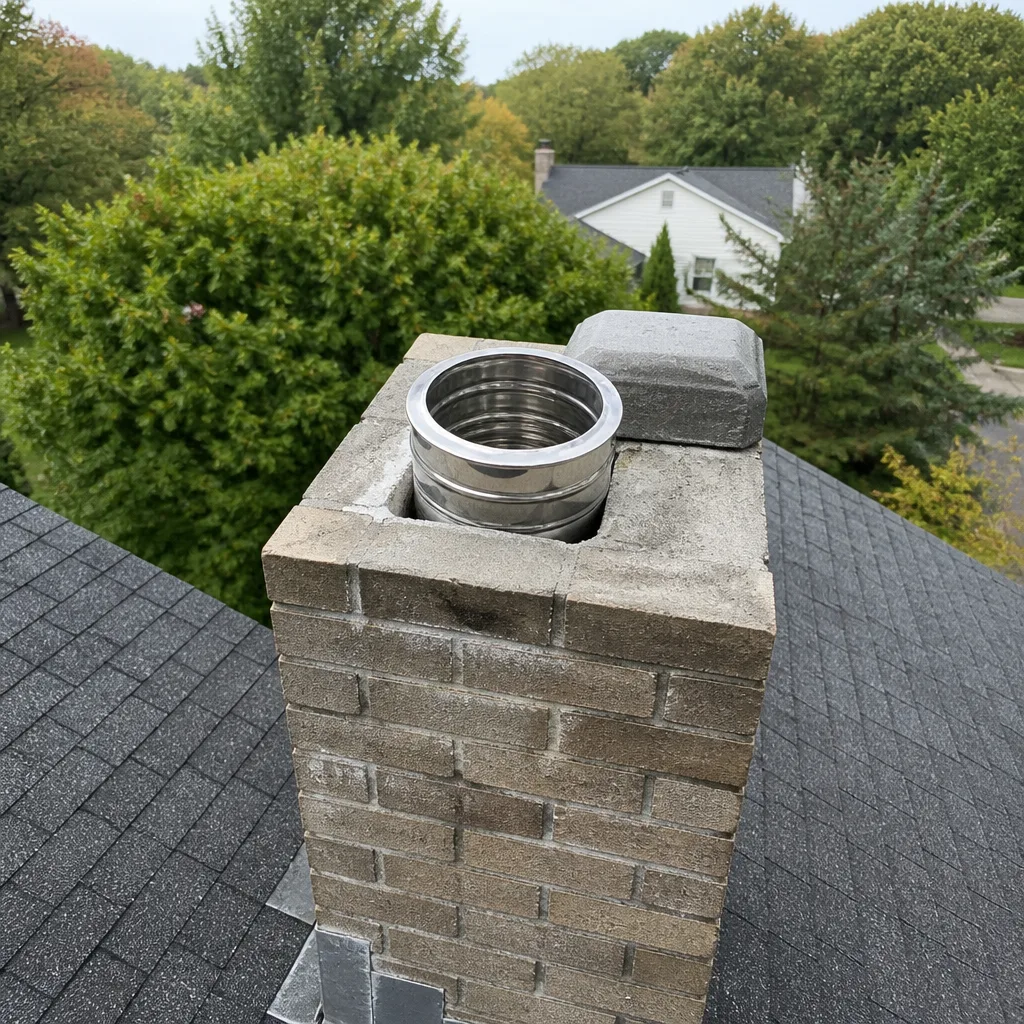
- Liners – a flexible stainless liner from a known manufacturer (DuraFlex and Olympia Chimney are the systems we install) is a different product from an unbranded liner of unknown alloy. The liner is the safety-critical component of the whole chimney, and the grade determines how long it lasts.
- Flue resurfacing – HeatShield ceramic resurfacing is a specific system with a specific application process. It is not interchangeable with a generic mortar parge, and a quote that doesn’t name the system isn’t quoting the same work.
We stock and install Gelco and Famco caps and venting components, and we install DuraFlex and Olympia Chimney liners. That matters for a practical reason: when a technician finds a failed cap during a sweep, the cap can be replaced on the spot rather than ordered and rescheduled. It also means you’re getting the material the quote named, not a substitute that happened to be available.
When you compare two quotes for the same repair, the material line is where the real difference lives. A cheap quote usually means a cheaper grade of material, and in a humid Miramar climate, the cheaper grade is also the one that fails first.
Why Contractors Quote Such Different Numbers
Price variation between chimney contractors in Miramar comes down to four things: qualification, equipment, insurance overhead, and whether they carry parts. Two contractors can both say “certified” and mean different things, and both can say “camera inspection” and mean different equipment. Here’s what to check on each.
- Qualification level. Chimney work has recognized credentialing through industry associations. A contractor with a current certification has been tested on inspection standards and code knowledge. Ask what credential the technician holds and whether it’s current.
- Equipment quality. A proper sweep uses a high-powered vacuum and rotary brushes, not a hand brush and a shop vac. A proper inspection uses a color camera with a monitor. Ask what equipment will be on site.
- Insurance and overhead. A contractor carrying general liability and workers’ compensation insurance has higher overhead, and the quote reflects it. That’s not padding; it’s the difference between a business that can cover a mistake and one that can’t. Ask for a certificate of insurance before booking.
- Parts on hand. A contractor who carries caps, liner components, and crown materials can complete more work in one visit. One who has to order everything will quote the same job as two visits.
There’s a fifth factor that doesn’t show up on paper: how the contractor handles findings. Some quote low and then present a large repair bill after the sweep, with no prior warning. Others quote the full scope up front, show you what they find as they find it, and give you a written estimate before any repair work begins. We work the second way, and our technicians have up to experience reading exactly this kind of chimney. If you want a sense of what the local service landscape looks like, our guide to Miramar explains how we work in the city.
How to Read a Chimney Quote Line by Line
A legitimate chimney quote is a document, not a number. Here’s how to tell the difference between a quote you can act on and one you can’t.
A proper quote includes:
- The scope of the sweep in writing, naming which components are covered.
- The inspection level, and whether a camera scan is included.
- Each repair as a separate line with materials named by brand and grade.
- A statement of what is not included, so there are no surprises.
- A clear note on how any additional findings will be communicated and re-estimated before work proceeds.
- Confirmation of the technician’s qualification and the company’s insurance.
A suspicious quote looks like this:
- A single line: “Chimney cleaning – $89.”
- No mention of inspection at any level.
- No materials named, or a vague phrase like “premium cap installed.”
- No written estimate at all, just a price quoted over the phone.
- A price that seems to include repairs without anyone having looked at the chimney.
When a quote is one line, ask what’s not in it. A brush-only sweep with no inspection is not a chimney service; it’s a flue brushing. The whole value of having a professional in your chimney is the inspection that comes with it, and the written record of what was found. A written quote with four line items and no inspection isn’t a bargain, it’s an incomplete job.
When Bundling Saves Money and When It Doesn’t
Bundling a sweep with an inspection and a minor repair usually saves money, because the technician is already on the roof and the equipment is already out. Bundling becomes padding when it adds repairs that weren’t found and weren’t documented, or when it rolls a repair into the sweep fee so you can’t see what you paid for.
Bundles that usually make sense:
- Sweep plus Level 1 inspection, when the chimney has been regularly maintained and the flue is straightforward. You’re paying for the inspection once, and the technician is already there.
- Sweep plus cap replacement, when the existing cap is visibly failed. The cap is a small job and having it done during the sweep avoids a second visit.
- Sweep plus Level 2 inspection, when the home is being sold or the chimney hasn’t been looked at in years. The camera scan is the part that tells you whether anything else needs doing.
Bundles that need scrutiny:
- A repair added to the quote before anyone has been on the roof. The condition of the cap and crown determines whether either needs work; a phone quote can’t know that.
- A sweep plus relining offered as a package price. Liner work is a significant repair and should be quoted separately with the material and length named.
- Any bundle where the sweep price and repair prices aren’t shown as separate lines. If you can’t see what you’re paying for each part, you can’t evaluate the quote.
The honest way to bundle is to quote the sweep and inspection together at one price, then present any repairs as a separate written estimate after the inspection, with photos. That way the bundle saves you the second visit without hiding what the repair actually costs.
Common Mistakes to Avoid
- Booking on price alone. A $79 sweep and a $300 sweep are not the same service. The cheaper quote usually omits the inspection, which is the part that tells you whether your chimney is safe. Compare scope first, price second.
- Accepting a repair quote with no camera evidence. If a technician tells you your flue needs relining, ask to see the camera footage. In Miramar, with the humidity here causing masonry to move, findings are real, but they should come with documentation you can see yourself.
- Assuming a cap is a cap. A galvanized cap and a stainless cap are both called “a cap” and cost very different amounts and last very different lengths of time. Ask which material is being installed and why.
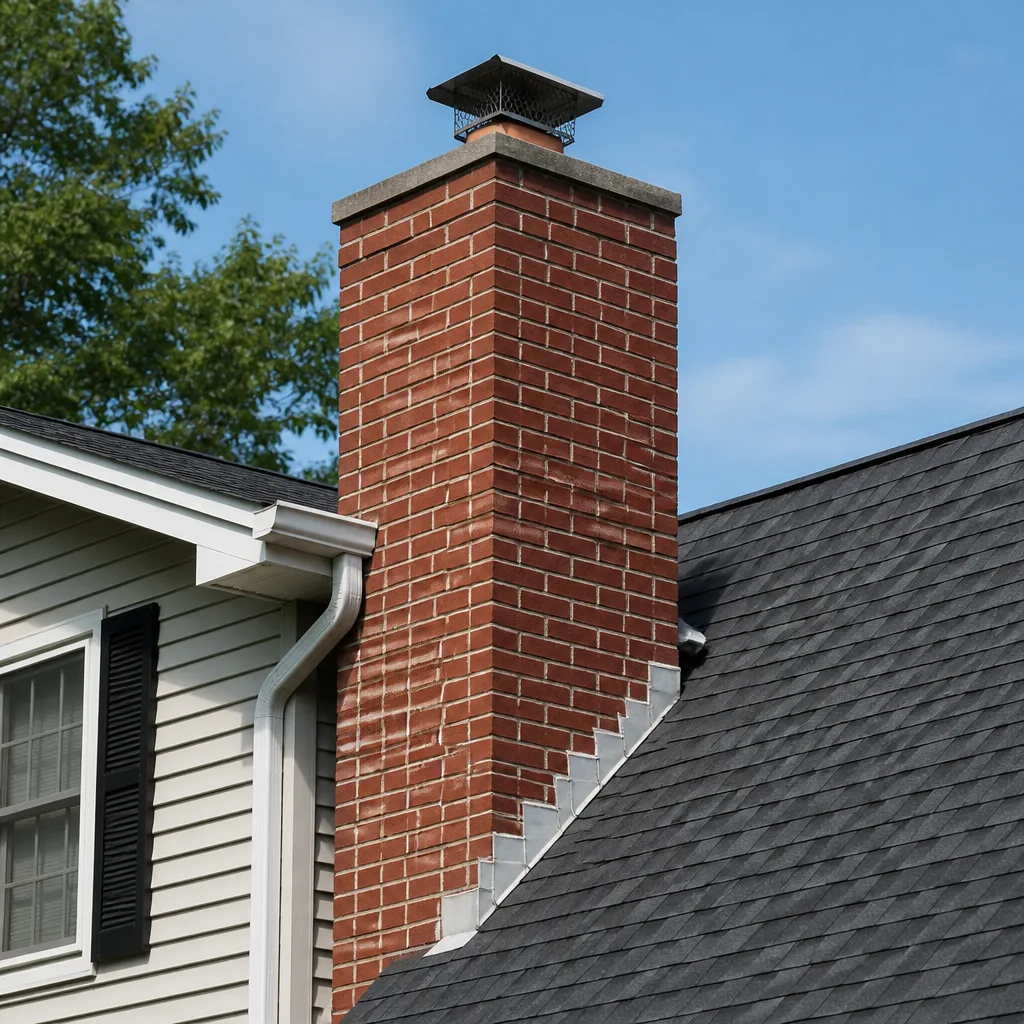
- Skipping the crown on a masonry chimney. The crown is where water gets in and damages the chimney from the top down. A quote that doesn’t inspect or mention the crown is skipping the component most likely to need attention in this climate.
- Booking a sweep after the burning season. The right time to sweep is before the season, so any repairs are done before the fireplace is in use. A sweep in the spring finds problems just as well, but you’ll have less time to fix them.
- Ignoring the inspection level on the quote. If it doesn’t say Level 1 or Level 2, it isn’t a documented inspection. A “visual check” that doesn’t name a level is not the same as a written inspection report.
- Paying for a repair that wasn’t estimated in writing. Any work beyond the original scope should come with a written estimate before it starts. If a technician offers to “just do it while I’m up here” without a written number, pause.
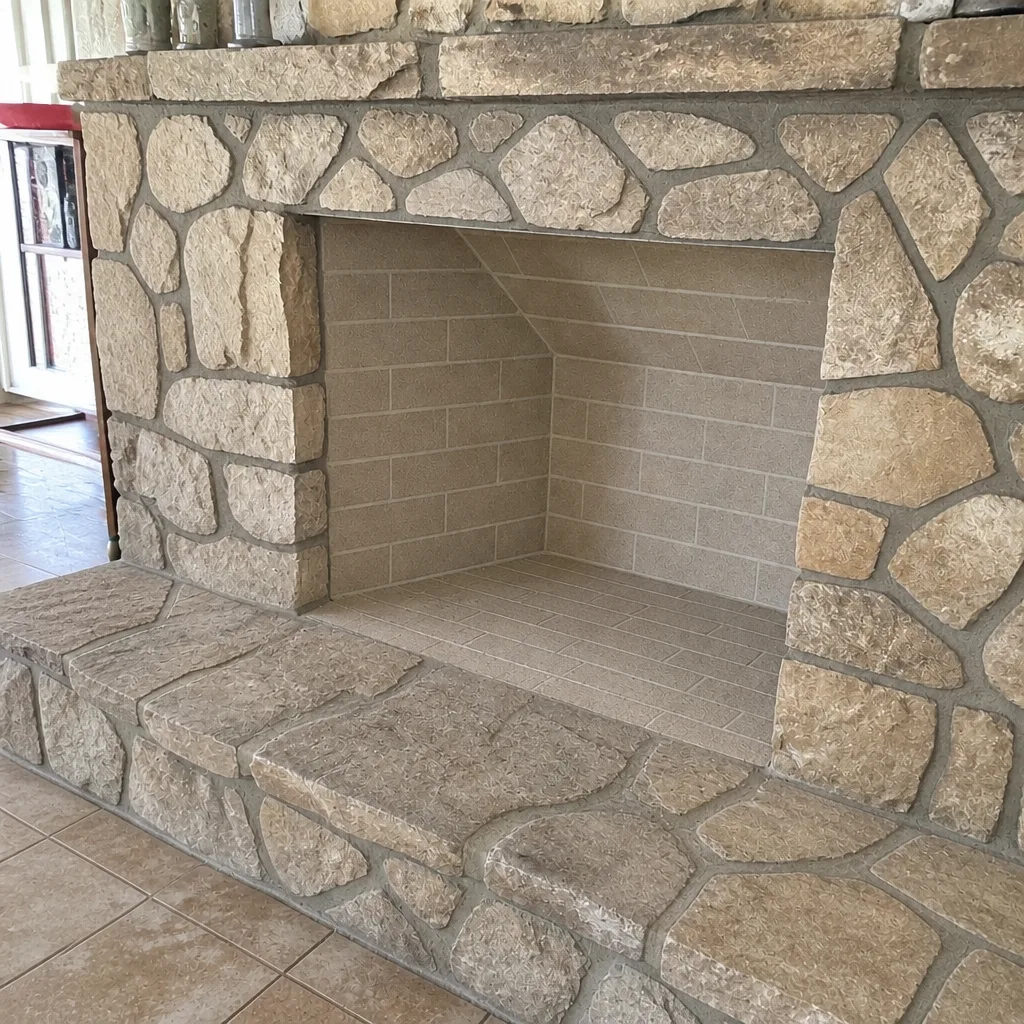
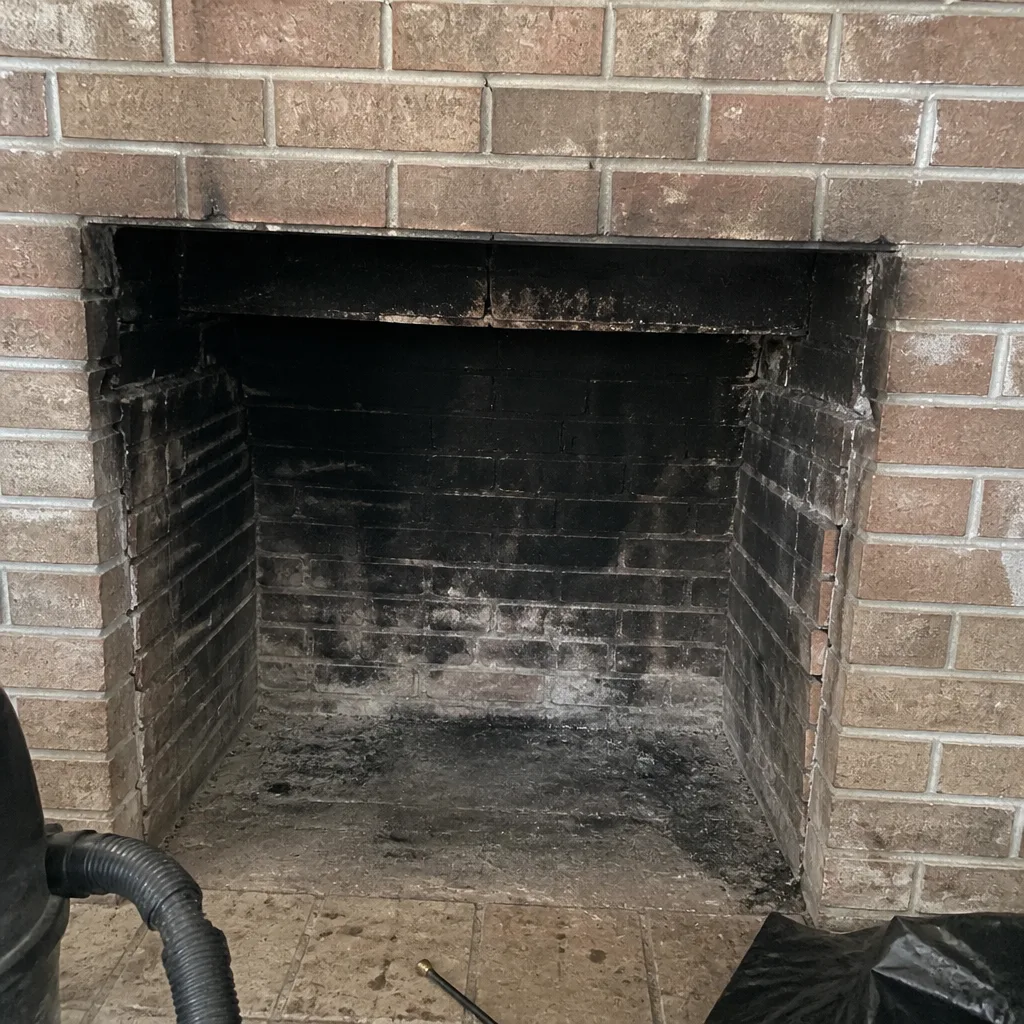
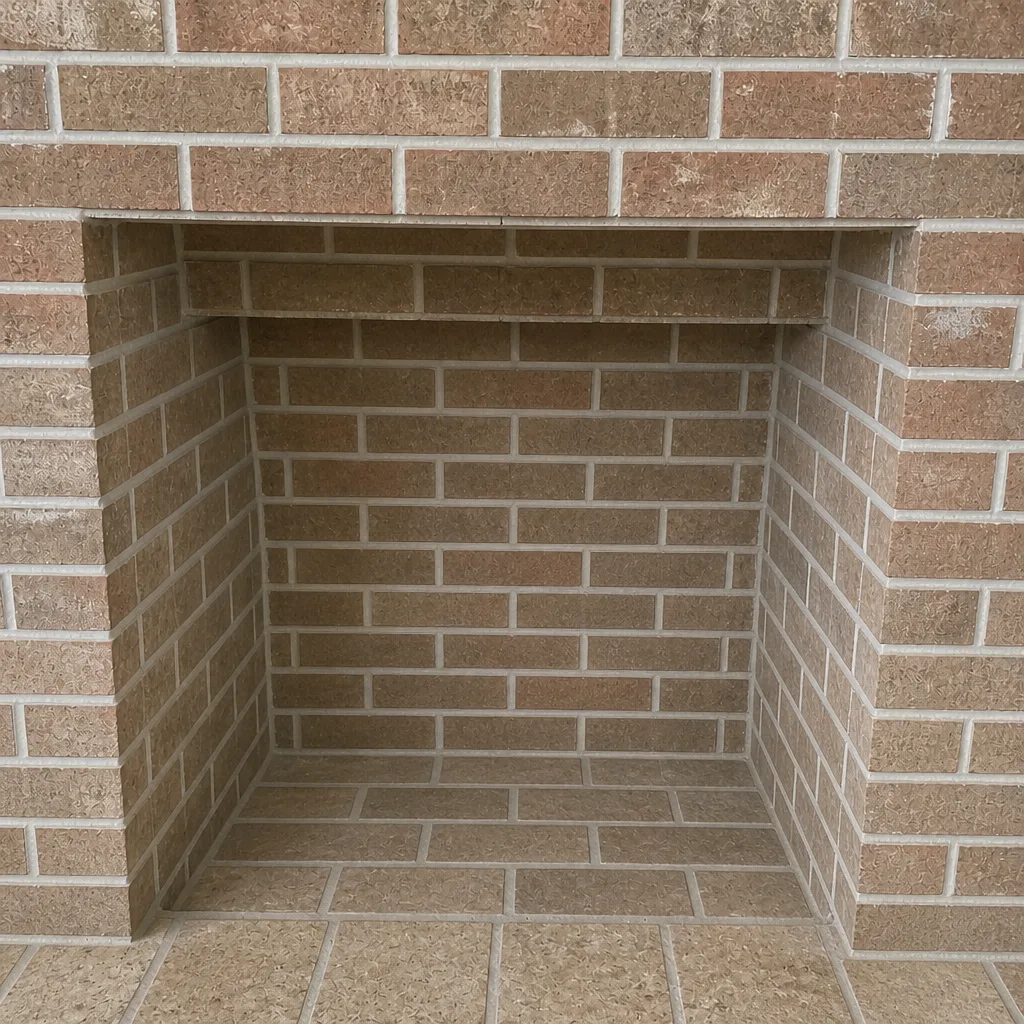
See the difference
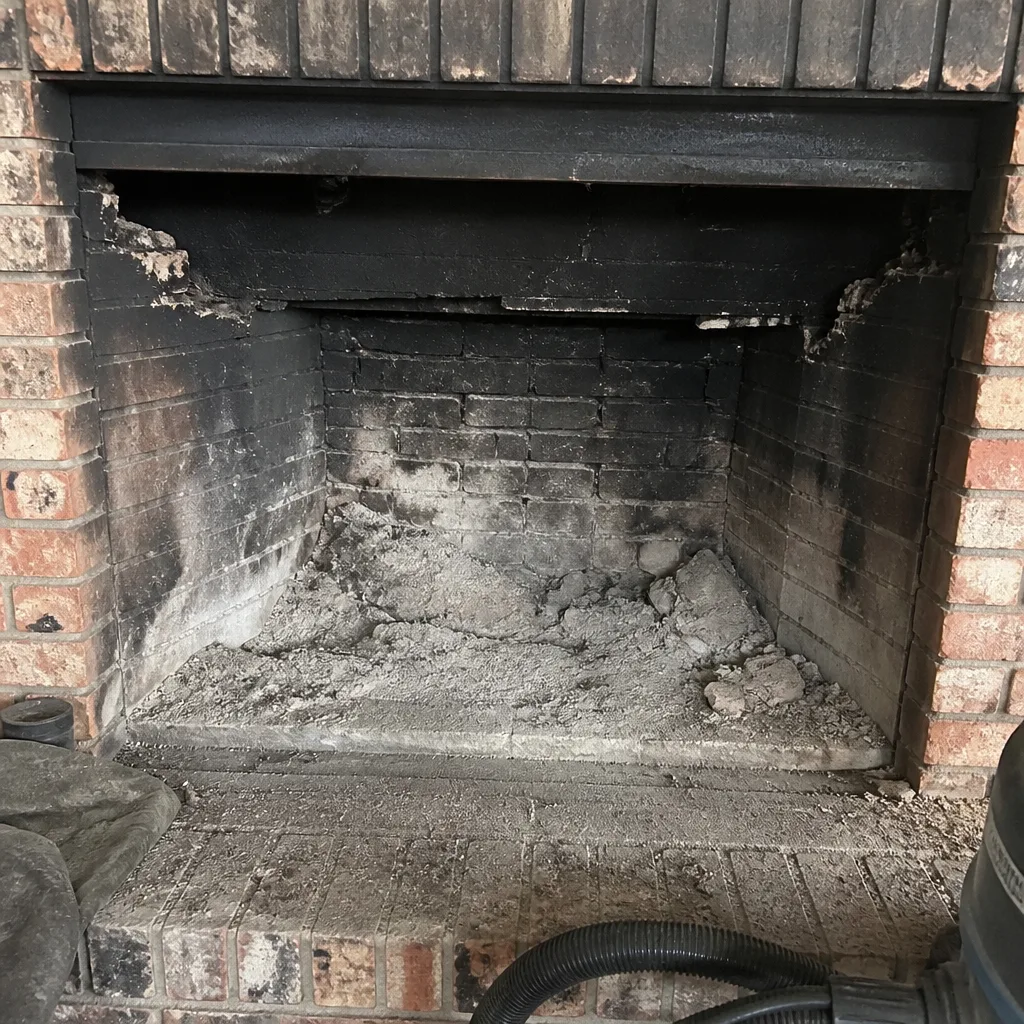 Before
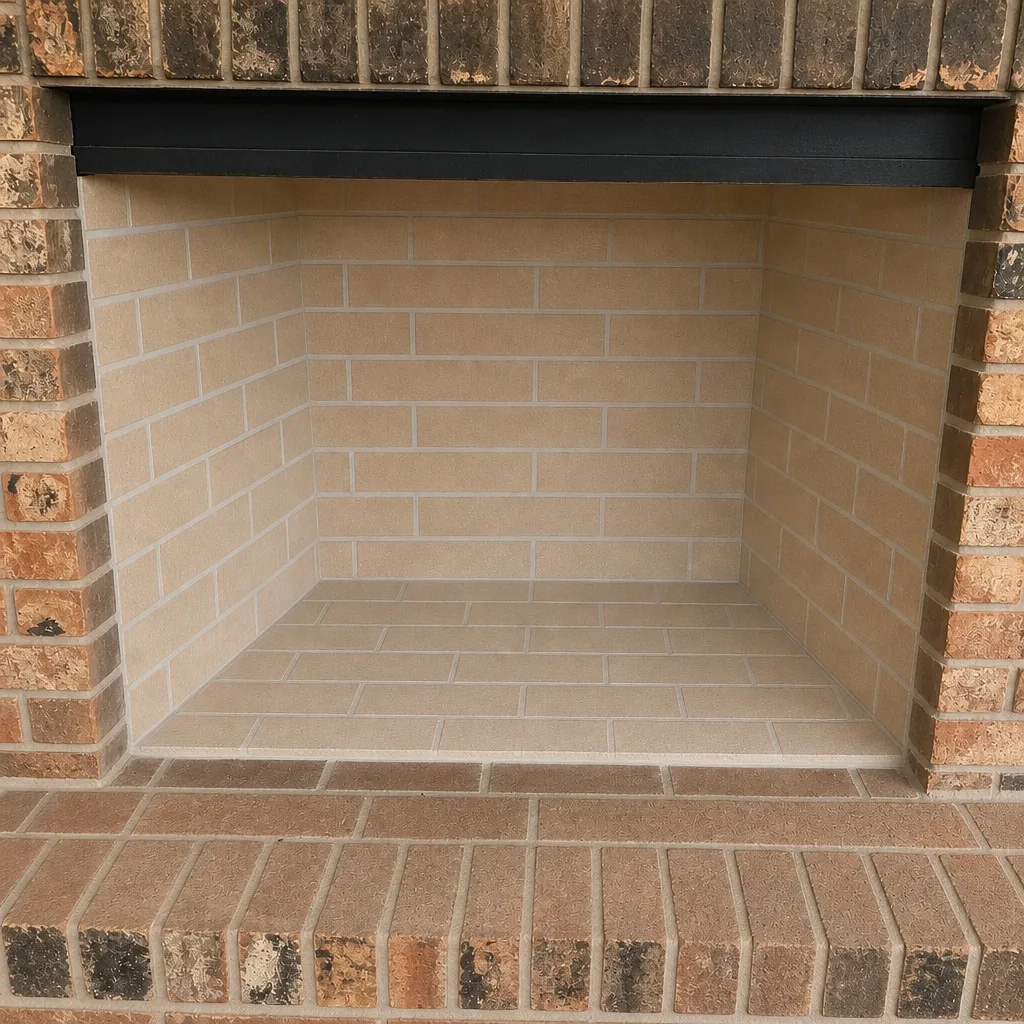 After
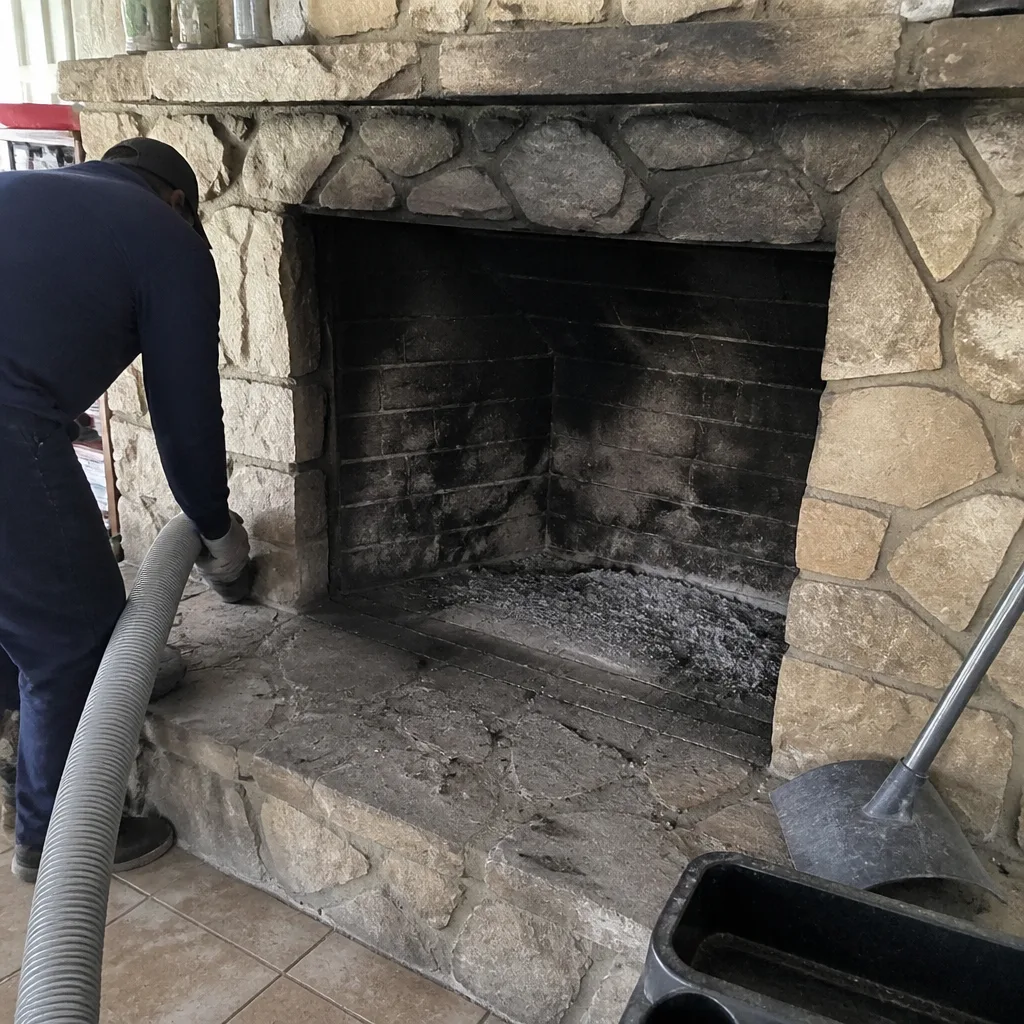 Before
 After
 Before
 After
When to Call a Professional
Some chimney problems announce themselves with a smell or a draft. Others don’t show any sign until an inspection finds them. Call a professional if you’ve just moved into a home with a chimney you haven’t had inspected, if you’ve had a chimney fire even a small one, if you’re switching fuels, if you notice creosote buildup in the firebox, if the cap is missing or damaged, or if it’s been more than a year since the last sweep. In Miramar, where humidity keeps masonry moving, an annual inspection catches small cracks before they turn into liner work. A sweep is a small, measurable job with a known result, and it’s the right first step when you’re not sure of the chimney’s condition. Chimney Sweep Miramar offers free estimates in Miramar. Call (866) 942-9444. We answer 24/7. Fast dispatch from 7am to 7pm, Sunday through Friday, and we’re closed Saturday.
Frequently Asked Questions
Chimney cleaning in Miramar in 2026 typically costs $150 to $350 for a standard sweep, with a Level 1 inspection adding $75 to $150 when bundled. A Level 2 inspection with a camera scan runs $200 to $450 on its own. The written estimate sets the final price after the technician sees the chimney. Call (866) 942-9444 for an exact quote; estimates are free.
A quote under about $100 usually covers a brush sweep of an accessible flue only, with no inspection, camera scan, or assessment of the cap, crown, or liner condition. It’s not the same service as a sweep bundled with inspection. Compare the scope line by line before comparing the numbers. If you want a quote that lists every scope item, call (866) 942-9444.
A chimney should be swept at least once a year if it’s used, and more often if you burn regularly or notice buildup. The annual inspection matters as much as the sweep, because it’s how you find problems before they become structural or safety issues. If it’s been more than a year, call (866) 942-9444 to book a sweep and inspection together.
You need a new liner if the camera inspection shows the existing one is cracked, deteriorated, or missing at the joints where it should be sealed. A flue that’s structurally sound doesn’t need relining just because it’s old. Nothing should be recommended without camera evidence you can look at yourself. Call (866) 942-9444 for an inspection and a written assessment.
Creosote builds up on the flue walls with every fire, and at a certain stage it becomes a fuel source rather than a residue. That’s the chimney fire risk, and it’s the reason the annual sweep exists. A blocked or damaged flue also affects how the chimney drafts, which matters for carbon monoxide safety. Skipping a year isn’t automatically dangerous, but skipping several years lets small issues get bigger. Call (866) 942-9444 to get the chimney checked.
We recommend Level 2 as the baseline in this climate, because the humidity and temperature swings here cause masonry to move and hairline cracks to develop that a visual-only check can’t see. The camera scan is how you know the interior of the flue is sound. It’s not required on every visit, but it’s the right inspection when you haven’t had one in years or have just bought the home. Call (866) 942-9444 to book one.
The Bottom Line
The price gap on Miramar chimney cleaning quotes isn’t random. It reflects what’s included: whether the quote covers a sweep only or sweep plus inspection, whether the inspection has a camera scan, what grade of materials a repair uses, and whether the contractor has the qualification and insurance overhead to do the job properly. A $150 sweep with a Level 1 inspection and written findings is usually better value than an $89 brush pass with none. Ask for the scope in writing, ask what’s not included, and ask to see the camera footage before any repair is approved. That’s the difference between buying a number and buying a documented service.
Chimney Sweep Miramar handles sweeping, inspection, and repair in one visit, using professional-grade materials from HeatShield, DuraFlex, Olympia Chimney, Gelco, and Famco so the quote you get names a system we actually install. Our technicians have up to experience, we show you what we find in plain language before any work begins, and nothing is recommended without evidence you can see. Call (866) 942-9444 for a free estimate. We answer 24/7. Fast dispatch from 7am to 7pm, Sunday through Friday. Please note we’re closed Saturday.
Written by the team at Chimney Sweep Miramar.