
Last updated November 16, 2026
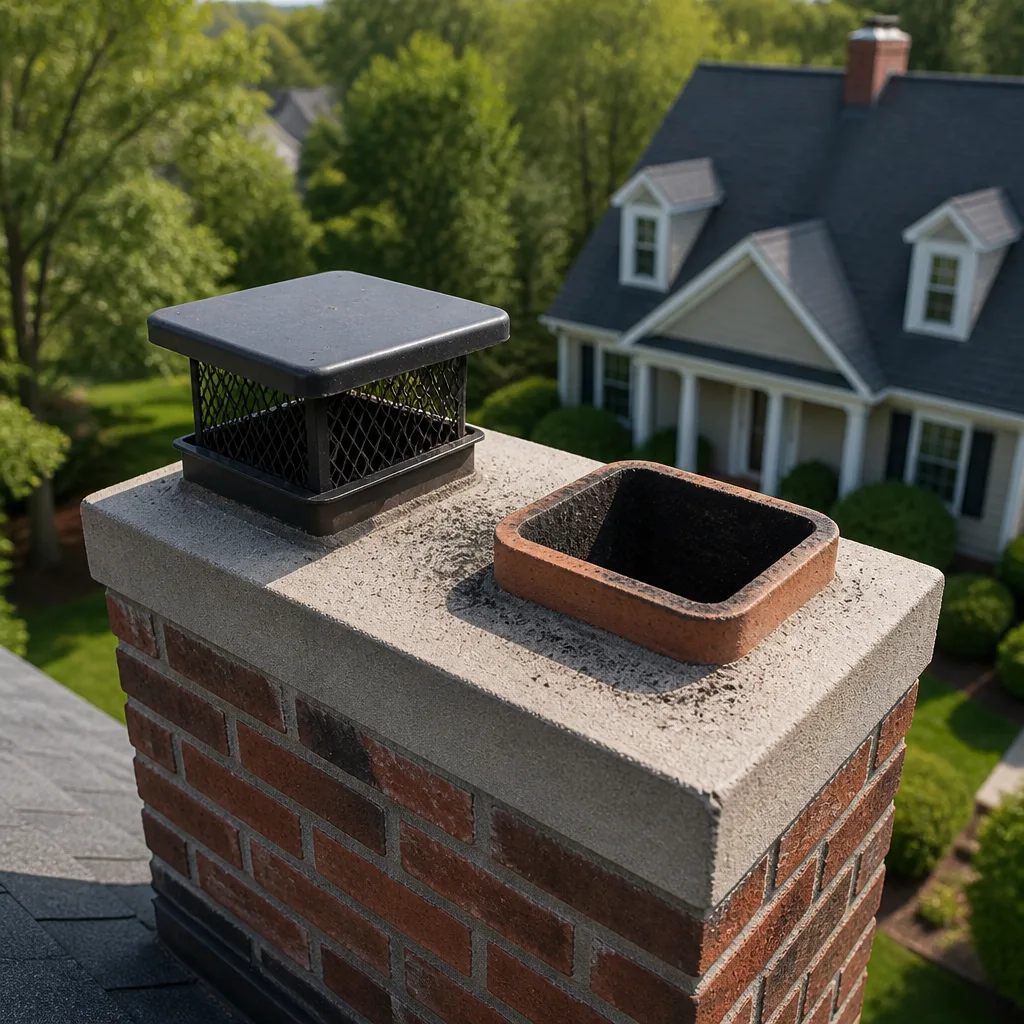 Sweep & inspection
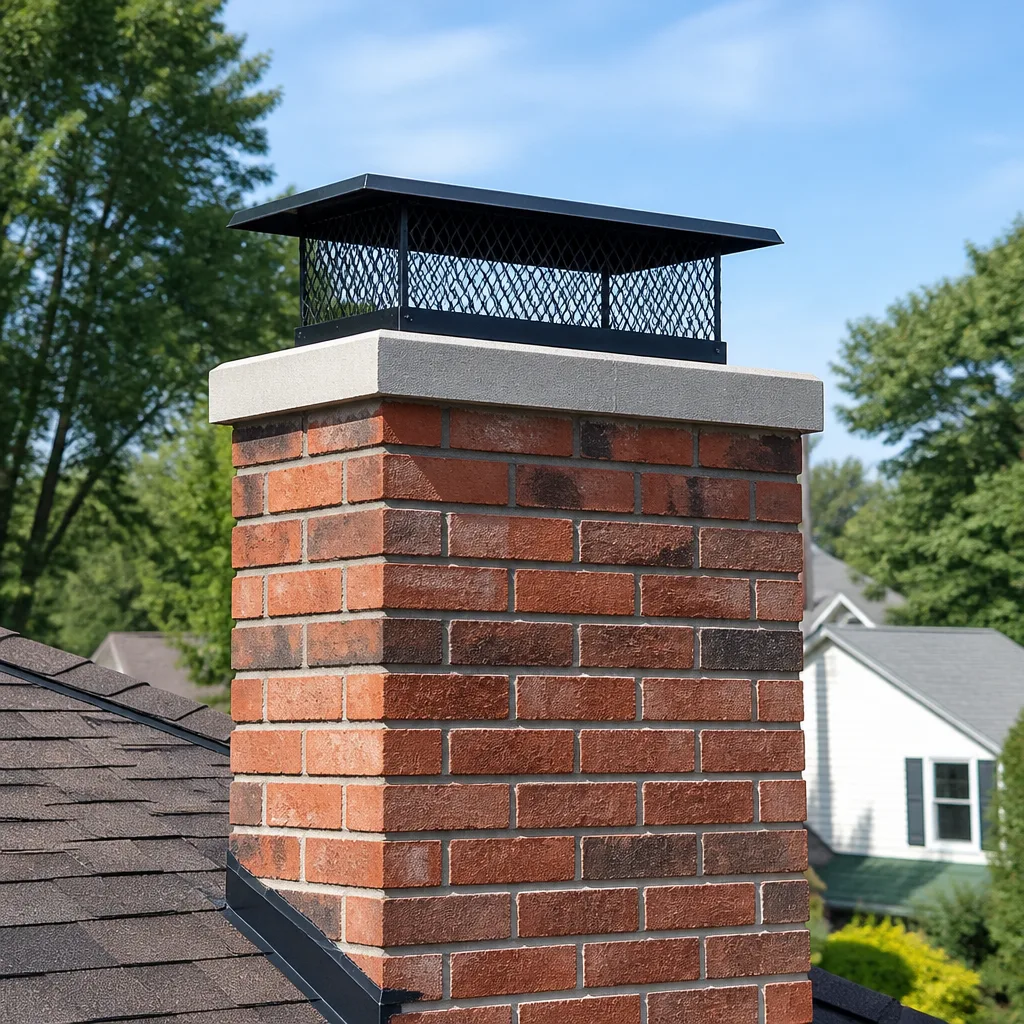 Caps & crowns
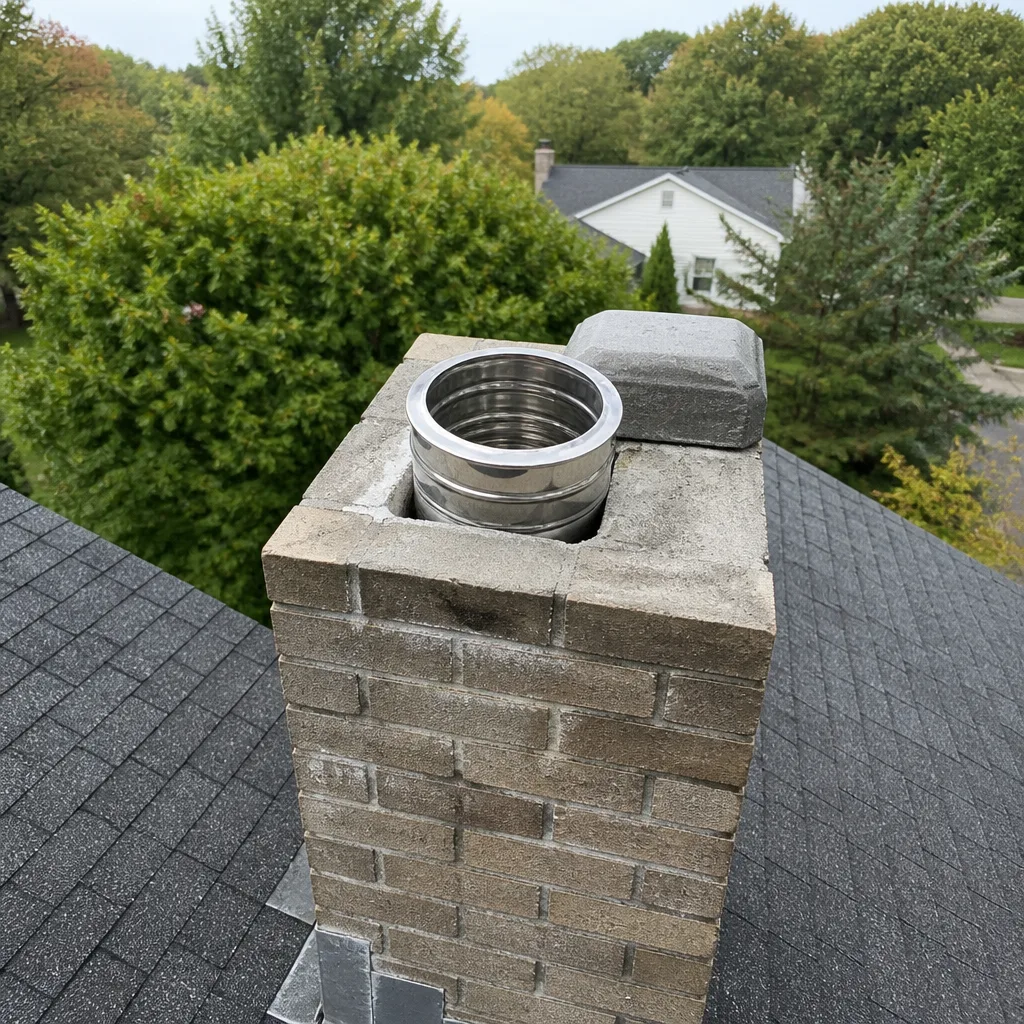 Flue relining
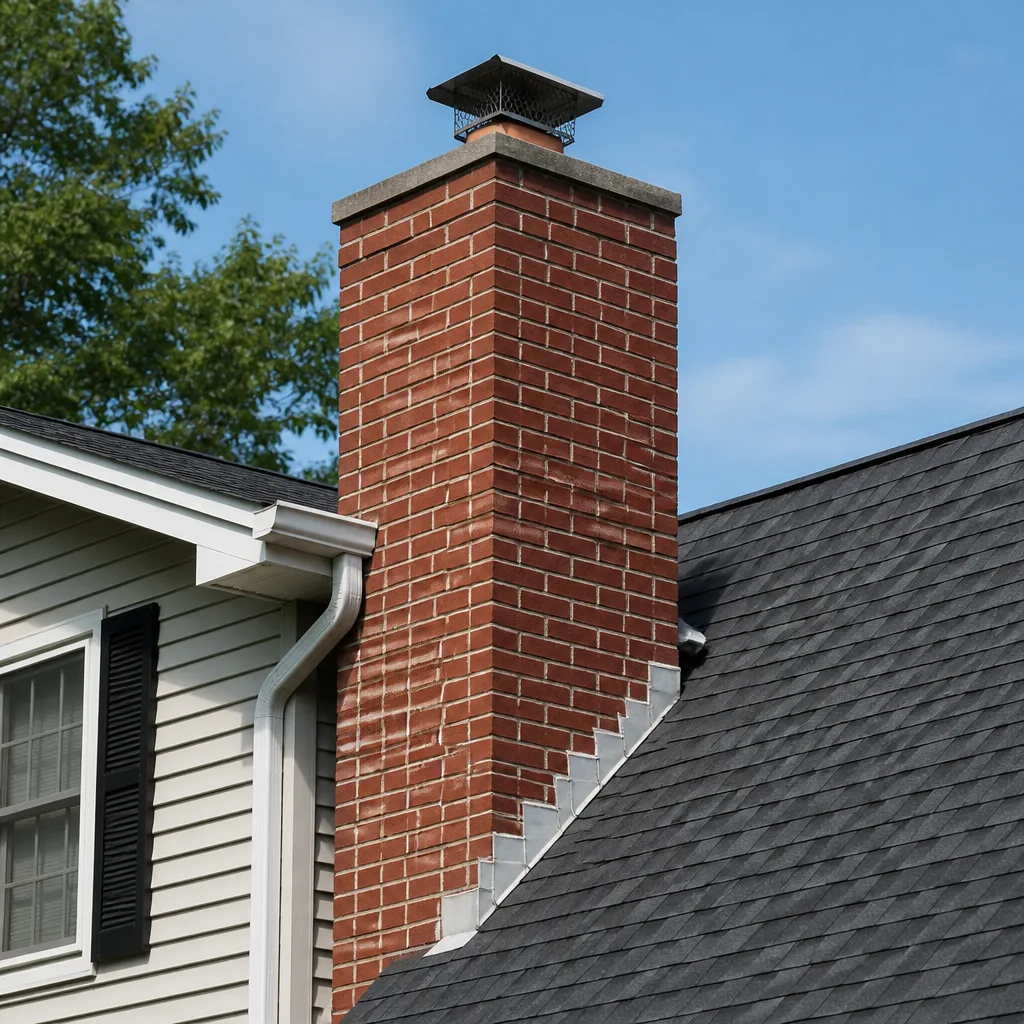 Masonry repair
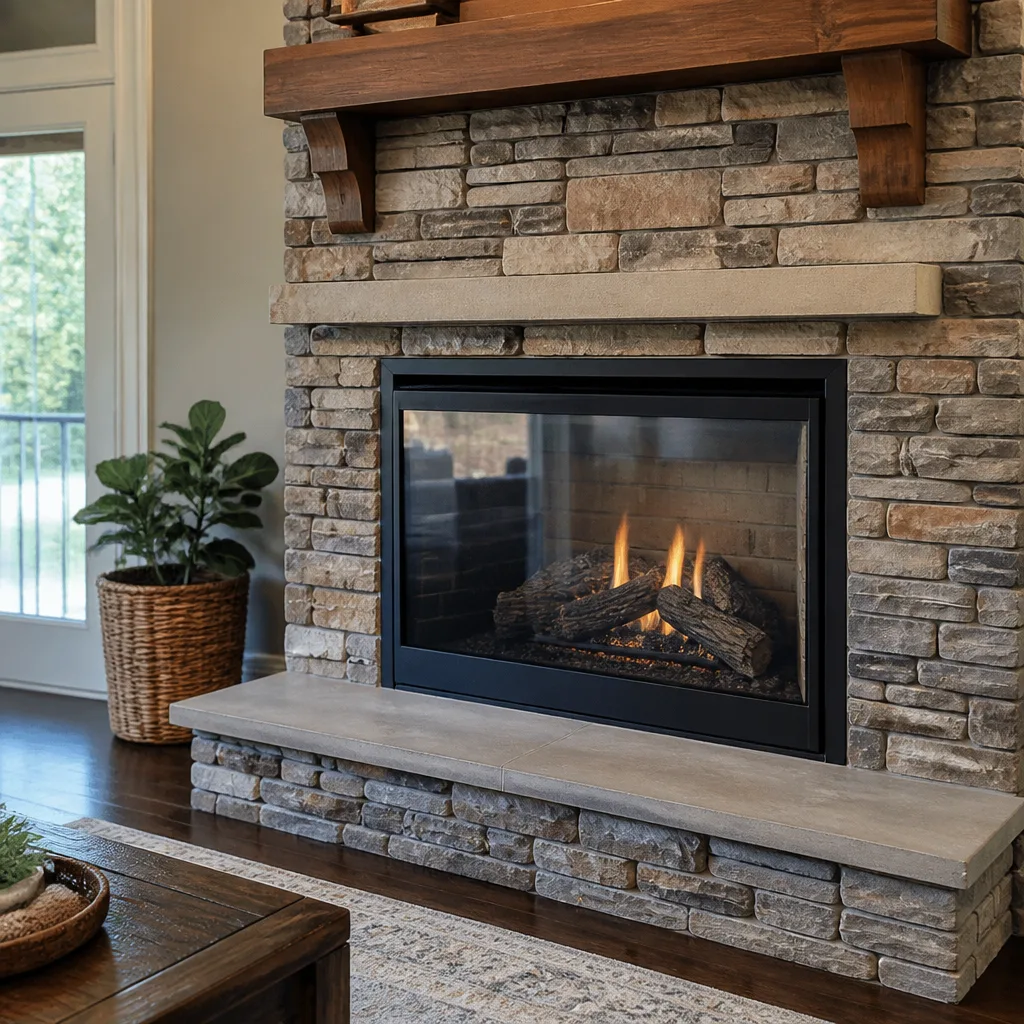 Gas fireplace service
Level 1 sweep and inspection to the NFPA 211 annual standard - flue, crown, cap, and flashing checked and photographed
Chimney sweep logs do not sweep chimneys. They loosen some creosote - which then falls where a brush and vacuum still have to collect it.
Seasonal Chimney Cleaning Care for Miramar: Year-Round Homeowner’s Guide
The worst chimney damage in Miramar usually happens in July, not January. That surprises people, because most chimney advice online was written for places with hard freezes and long heating seasons. Around here, the flue sits completely idle for most of the year, and that idle stretch is when trapped moisture from the rainy season works its way into unprotected masonry joints. By the time you light the first fire in November, the problem has already been developing for months. This guide lays out a year-round care calendar built around how Miramar actually lives: a short burning window, a long dormancy, and a storm season that tests every cap and crown in the city.
Quick Answer
In Miramar, chimney care runs on two seasons, not four. The burning window is roughly November through February, and everything else is dormancy, when heat, humidity, and storm weather do most of the damage. Sweep and inspect in October before the first fire, close the fireplace properly in late February or March, then check your cap and crown before hurricane season peaks in late summer. One professional inspection a year, timed right, is the backbone of the whole calendar.
Styles & brands we work with
- Sweep & inspection
- Caps & crowns
- Flue relining
- Masonry repair
- Gas fireplace service
Table of Contents
- Why Miramar Has Two Chimney Seasons, Not Four
- November: What to Clean and Inspect Before the First Fire
- Why October Booking Beats the November Crunch
- February and March: Closing the Fireplace for the Off-Season
- June Through September: Cap, Crown, and Storm Readiness
- Monitoring for Animal Intrusion Between Visits
- Why the Rainy Season Is the Highest-Risk Period for Your Liner
- Common Mistakes to Avoid
Why Miramar Has Two Chimney Seasons, Not Four
Chimney care advice written for cold climates assumes a long, cold winter that keeps a fire burning for months and a deep freeze that breaks down masonry from the inside. Miramar doesn’t work that way. Our burning window is short, and our real enemy is the opposite of cold: sustained heat, heavy seasonal rain, and the humidity that sits over Miramar for months at a time. A flue that would stay dry in a colder, drier climate can stay damp here for weeks.
That difference changes what you watch for and when. In a cold climate, the top item on the checklist is freeze damage. Here, it’s moisture intrusion during dormancy and storm wear on the parts of the chimney that face the sky. Creosote still matters, of course, because it’s the fuel for chimney fires anywhere. But the calendar that keeps a Miramar chimney safe has to be organized around the rainy season and the hurricane season, not the heating season.
Two practical consequences follow from that. First, the most useful inspection is the one done before burning starts, when a professional can see the flue in the condition dormancy left it. Second, the most overlooked inspection is the one done on the exterior before storm season. Homeowners tend to think of the chimney as an indoor fixture. Half of it isn’t.
What the two seasons actually look like
- Burning season (roughly November through February): active fires, creosote buildup, flue draft at work, and the need for a clean, clear passage before the first burn.
- Dormancy and storm season (roughly March through October): no fires, an idle flue, moisture working on masonry, animal activity looking for shelter, and wind and rain testing the cap and crown.
Plan around those two blocks and the rest of this guide falls into place. Our technicians have up to experience reading exactly these patterns in South Florida homes, and the calendar below reflects how the work actually breaks down across a Miramar year.
November: What to Clean and Inspect Before the First Fire
Before the first fire of the season, a Miramar chimney needs two things: a professional cleaning to remove whatever deposited in the flue during the last burning season, and an inspection to confirm everything is sound after months of dormancy. Skipping either one is how small issues turn into a mid-season surprise. The cleaning gets the passage clear. The inspection tells you whether the passage is safe to use at all.
What a pre-season visit should cover:
- A full sweep of the flue. Creosote from last season hardens as it sits. A sweep removes it before it becomes fuel.
- A visual inspection of the firebox and damper. Check that the damper opens and closes cleanly and that no debris has collected behind it over the summer.
- A flue inspection for cracks, gaps, and moisture damage. An idle flue is where the rainy season leaves its mark, and this is when you want to find it.
- A cap and crown check from the roof or from grade. The storm season just ended. Confirm nothing was lost.
- A draft test. A chimney that drafts poorly because of a blocked or damaged cap will smoke into the room on the first cold night.
Once that’s done, you have a clear answer to the question every homeowner asks: is this safe to light? If something is wrong, there’s still time to fix it before the season. If nothing is wrong, you’ve bought yourself a worry-free winter. Either way, the pre-season chimney sweep is the single most valuable appointment on the calendar.
Why October Booking Beats the November Crunch
Book the pre-season sweep in October if you can. The reasoning is simple and it’s the same every year: as soon as the first cool front moves through, everyone with a fireplace in Miramar decides at once that they need a sweep, and the calendar fills up. Homeowners who waited until the first chilly evening often end up with an appointment pushed past the point where they actually wanted to burn. Scheduling a few weeks earlier removes that risk entirely.
October also gives you a better diagnostic window. A sweep and inspection done in October leaves room to address anything found before burning season, rather than discovering a liner problem on the first cold night of the year with no time to sort it out. If a repair is needed, there’s a comfortable gap between the inspection and the first fire, which means the fix gets done properly instead of rushed.
There’s a third reason that has nothing to do with demand. The rainy season is winding down in October, so the flue has had weeks to dry and the moisture picture is at its clearest. An inspection done in the middle of a wet stretch can be harder to read. An inspection done once the air has dried out tells you more about the true condition of the masonry and liner.
A simple October checklist
- Book the sweep and inspection early in the month.
- Schedule any repair the inspection turns up, so it’s finished before November.
- Confirm your smoke and carbon monoxide detectors work, since a properly functioning flue and working alarms go together.
- Have your firewood split, covered, and seasoned before the first burn.
None of this is complicated, but it’s the difference between a fireplace that’s ready and one that surprises you. Call (866) 942-9444 to get on the October calendar. We answer 24/7. Fast dispatch from 7am to 7pm, Sunday through Friday.
February and March: Closing the Fireplace for the Off-Season
Closing a Miramar fireplace for the off-season is not just a matter of sweeping up the ashes and shutting the glass doors. The way you leave the fireplace in late February or March determines how much damage the dormancy months do. Done right, you’re protecting the flue from the rainy season. Done carelessly, you’re inviting moisture, pests, and draft problems into a chimney that won’t be looked at again until fall.
A proper off-season close-out:
- Sweep the firebox and flue one last time. Leftover ash and creosote hold moisture and attract pests over the long idle stretch.
- Seal the damper. A closed damper keeps humid air, insects, and debris from moving down the flue and into the living space. If your damper doesn’t seal well, a proper top-seal cap handles the same job from above.
- Inspect the cap. The off-season is when a loose or damaged cap does the most harm, because nobody’s looking at it again for months.
- Check the firebox for moisture signs. Discoloration, efflorescence, or a musty smell at the end of the season points to water finding its way in.
- Note anything that changed. Draft problems, smoke stains, or a damper that started sticking are all things to flag for the fall inspection.
The damper seal is the one most homeowners skip. It matters more here than in colder climates, because a chimney that sits open through a Miramar rainy season gets a steady supply of humid air moving through the flue. Sealing it for the off-season is one of the cheapest protections available, and it takes minutes. A well-fitted cap, such as a Famco cap supplied and installed in-house, does the same job from the other end, keeping rain and animals out of the flue while it sits idle.
June Through September: Cap, Crown, and Storm Readiness
Before hurricane season peaks, a Miramar chimney should be checked from the top down for anything wind and rain can exploit. The cap and crown are the two components that take the most weather, and they’re the two most homeowners never think about until water is coming through the ceiling. An assessment in late spring, ahead of the peak months, gives you time to make repairs instead of discovering a problem mid-storm.
What to assess heading into storm season:
- The cap. Is it firmly attached, intact, and sized correctly? A loose cap is a projectile risk in high wind and a water entry point the rest of the year.
- The crown. That’s the concrete or masonry surface at the very top of the chimney. Cracks in the crown let water into the structure below, and once it’s in, it travels. A crown that’s cracked or crumbling should be repaired before the rain arrives.
- The flashing. The seal where the chimney meets the roof is where most leaks start. Check it before storm season, not after.
- Masonry joints. Look for mortar that’s crumbling or gone soft. Wind-driven rain finds those gaps.
For temporary protective measures ahead of a storm, a fitted cap does the most work. When a storm is imminent, the practical steps are simple: confirm the cap is secure, make sure nothing loose is sitting on or near the chimney, and close the damper. If the crown is damaged, a temporary seal can bridge the gap until a proper repair is scheduled, but it’s a stopgap, not a fix. A chimney crown repair done through chimney repair with HeatShield restoration products addresses the actual masonry rather than masking it. If you’re unsure whether your crown is sound, a spring assessment settles it. Call (866) 942-9444. We answer 24/7. Fast dispatch from 7am to 7pm, Sunday through Friday.
Monitoring for Animal Intrusion Between Visits
Birds, squirrels, and other small animals treat an open chimney as prime real estate, especially during the long idle months when nothing is burning. You can check for signs yourself between professional visits, and you can do it without ever opening the damper. That last part matters: opening the damper on a chimney you haven’t checked can drop debris and, in some cases, the animal itself into your living room. Watch for the signs from below, then leave the removal to a professional.
Signs to watch for, without opening anything
- Scratching, fluttering, or chirping from inside the flue. Any animal noise from the chimney means something is in there. Close the fireplace glass or doors and call a professional.
- Droppings or nesting material on the fireplace floor or smoke shelf. Visible debris in the firebox is a strong sign of animal activity above.
- Clear soot stains or greasy marks on the damper or firebox walls. Animals brushing against soot leave tracks.
- A musty smell in the room, even with no fire. That can point to a nest or to moisture, and both deserve a look.
- Birds perched on or flying around the chimney top. Repeated activity around the cap usually means a nest or a gap they’re using.
The best prevention is a properly fitted cap with a mesh screen. A cap that seals the top while still letting smoke and gases out stops animals from getting in at all. Gelco and Famco caps are the products we stock and install for exactly this reason, so a cap replacement happens in one visit rather than waiting on an order. If you’re hearing something in the chimney now, don’t light a fire and don’t open the damper. Call (866) 942-9444. We answer 24/7. Fast dispatch from 7am to 7pm, Sunday through Friday.
Why the Rainy Season Is the Highest-Risk Period for Your Liner
The rainy season is the highest-risk period for flue liner damage in Miramar, because that’s when moisture reaches the liner and stays there. A liner that spalls, cracks, or pulls away from the masonry loses its job, which is to keep combustion gases and heat separated from the structure of the chimney. The warning signs show up inside the firebox, and they show up early if you know what you’re looking at.
What early liner trouble looks like from inside the firebox:
- Crumbling or flaking material at the top of the firebox or inside the flue. This is spalling, and it’s the most common moisture symptom.
- White, powdery deposits on masonry surfaces. That’s efflorescence, a sign that water is moving through the material and leaving minerals behind.
- Visible cracks or gaps in the liner tiles. A cracked liner is a safety concern, not a cosmetic one.
- Rust on the damper or firebox hardware. Metal doesn’t rust without moisture.
- A damp or musty smell from the fireplace, especially after rain. That’s a strong indicator water is getting in somewhere.
A spalling liner is a real hazard, because it can let heat and gases reach combustible parts of the structure. This is not a component to patch with guesswork. If you see any of these signs, get an inspection before the next fire. When relining is the right answer, we install DuraFlex and Olympia Chimney flexible liner systems, which are designed for exactly this application and backed by professional-grade materials. When resurfacing is the better route, HeatShield ceramic restoration is the system professionals specify for flue repair. Either way, the recommendation comes with a material solution, not just a diagnosis. Call (866) 942-9444 for a free estimate. We answer 24/7. Fast dispatch from 7am to 7pm, Sunday through Friday.
Common Mistakes to Avoid
- Treating the chimney as a winter-only concern. In Miramar, the dormancy months do as much damage as the burning season. Ignoring the chimney from March to October is how small moisture issues become structural repairs.
- Waiting for the first cool night to book a sweep. That’s when everyone else calls too, and the calendar fills fast. Book in October and skip the crunch entirely.
- Leaving the damper open all summer. An open damper through the rainy season funnels humid air straight into an idle flue. Seal it for the off-season.
- Skipping the cap check before storm season. A loose or damaged cap is a wind risk and a water entry point. Check it in late spring, not after the first storm.
- Opening the damper when you hear an animal. That can drop debris or the animal itself into the room. Close the glass and call a professional.
- Patching a cracked crown with a quick coating. A surface patch over a failing crown traps moisture and hides the real problem. A proper repair addresses the masonry.
- Assuming a handyman can handle liner work. Relining and flue restoration call for specialized systems like HeatShield and DuraFlex, and the application matters as much as the material. Most general contractors have never applied them.
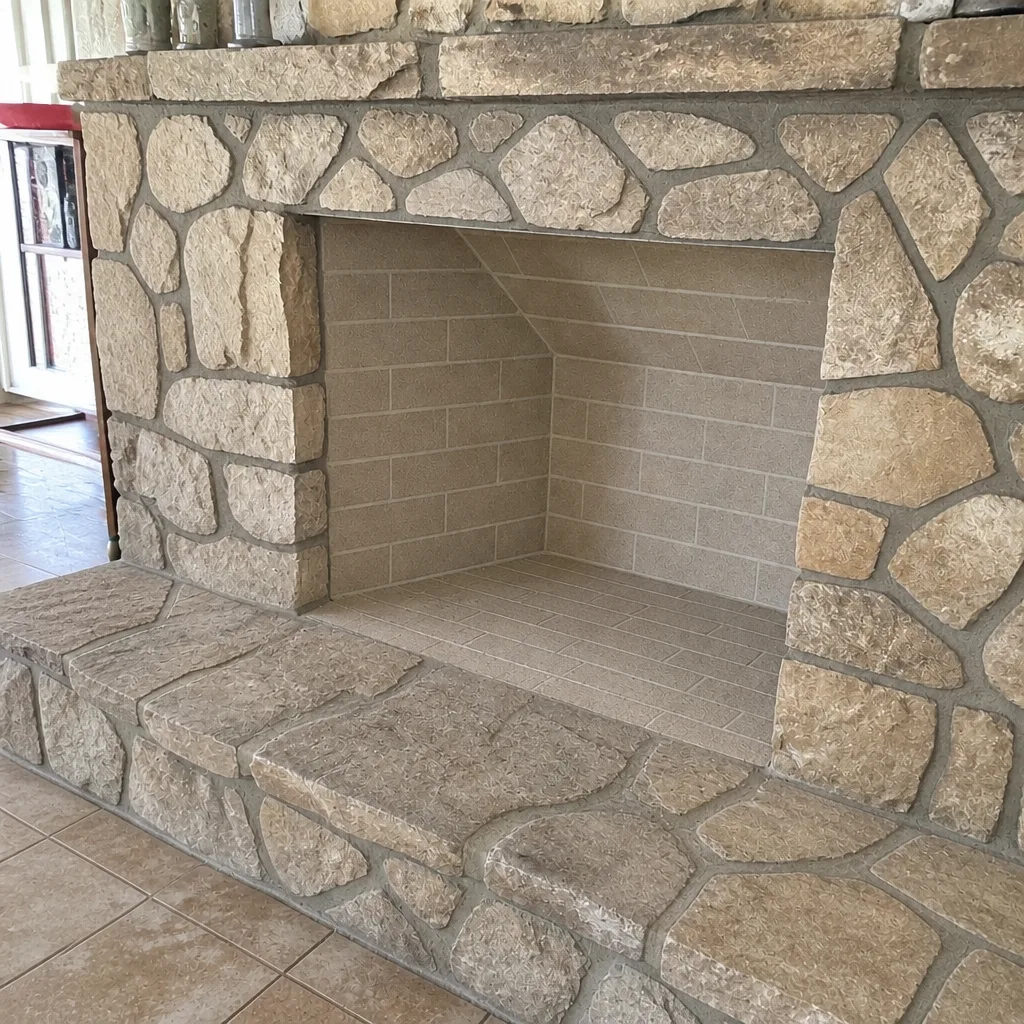
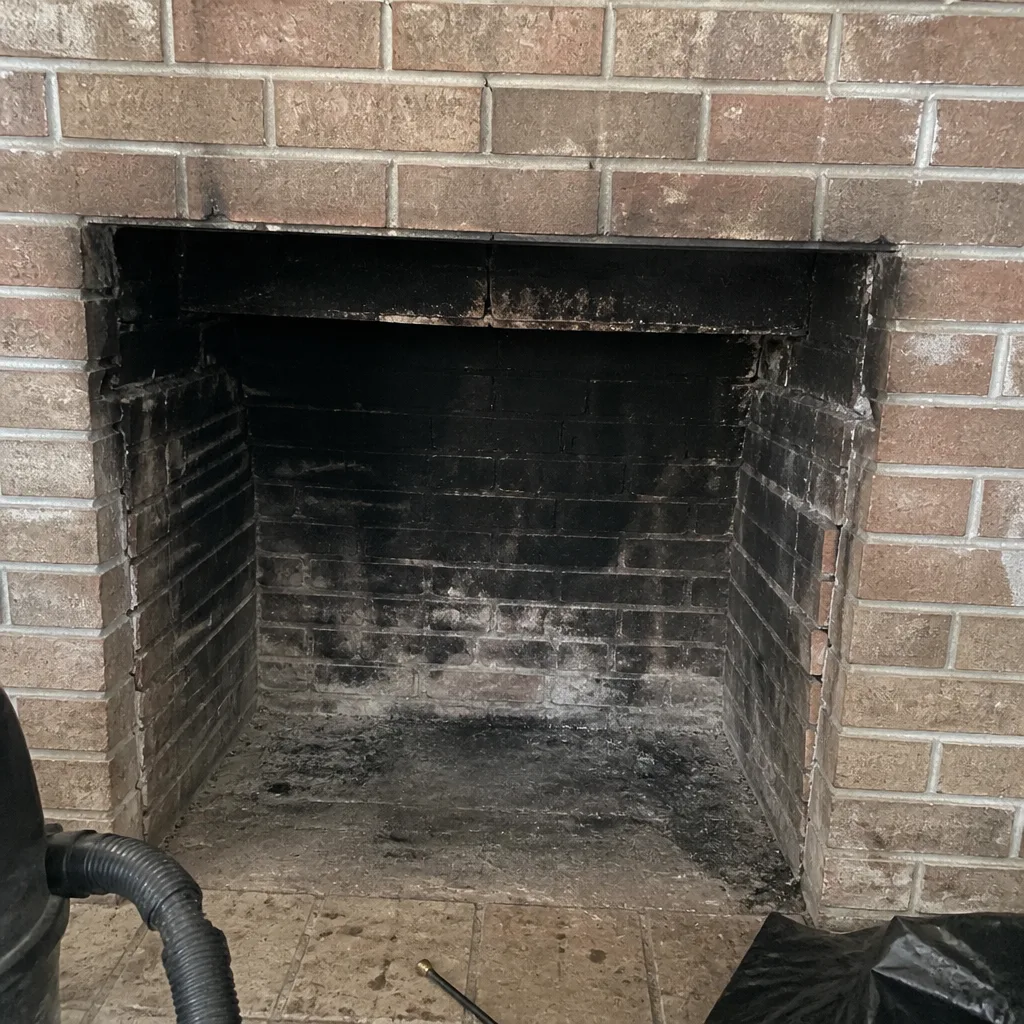
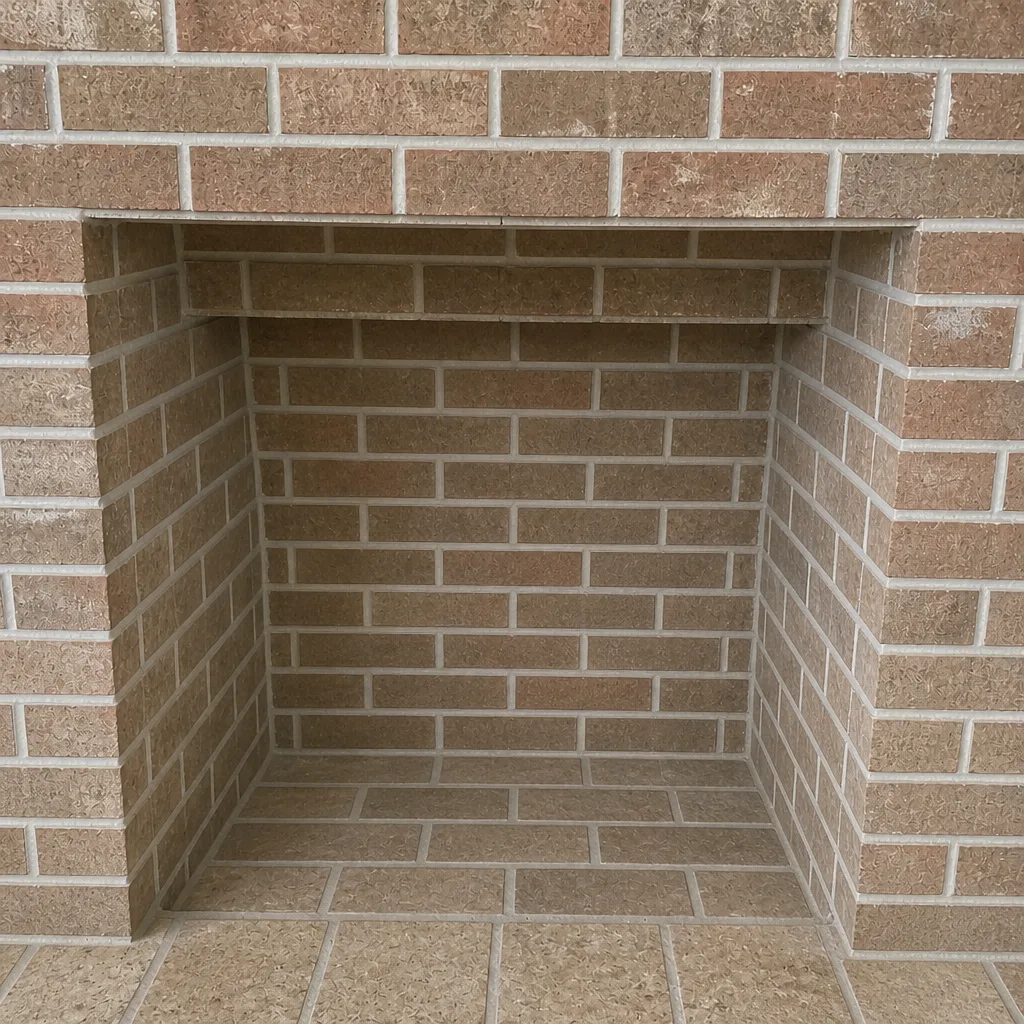
See the difference
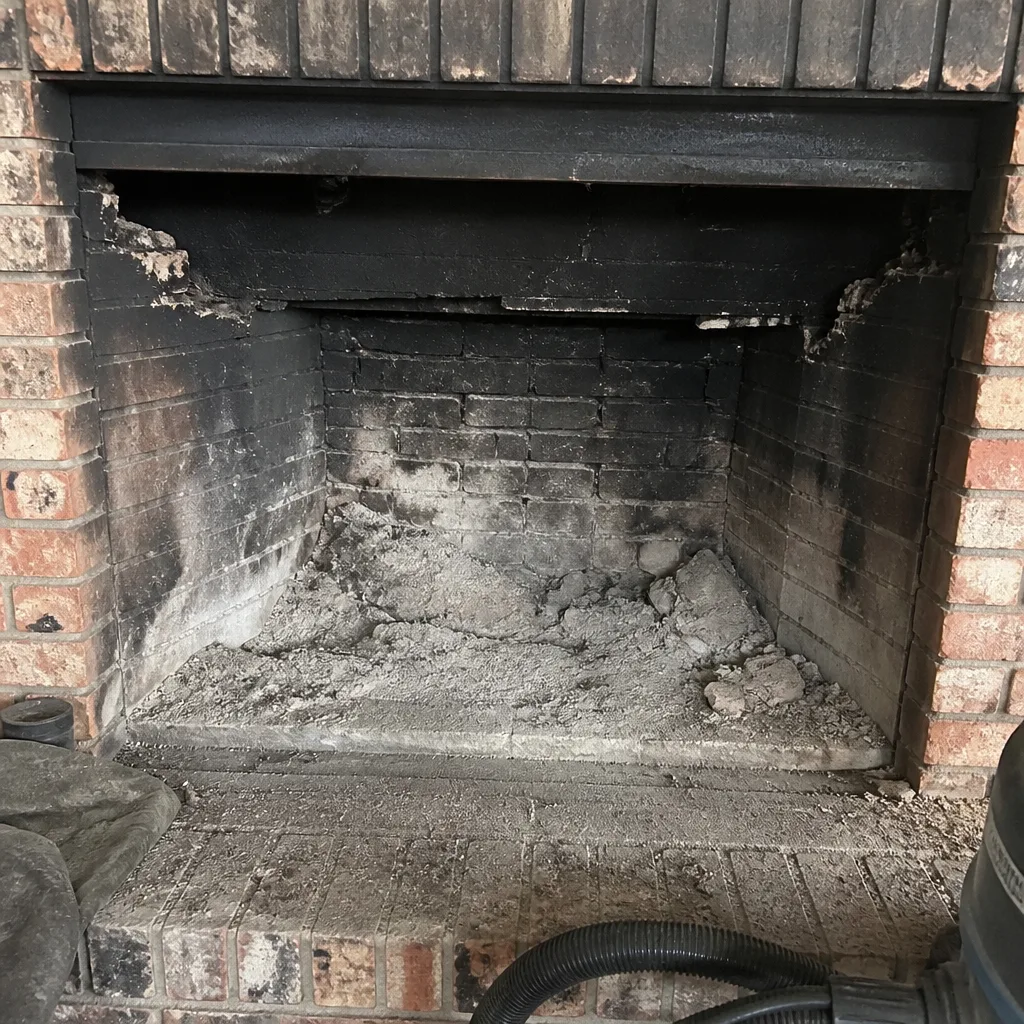 Before
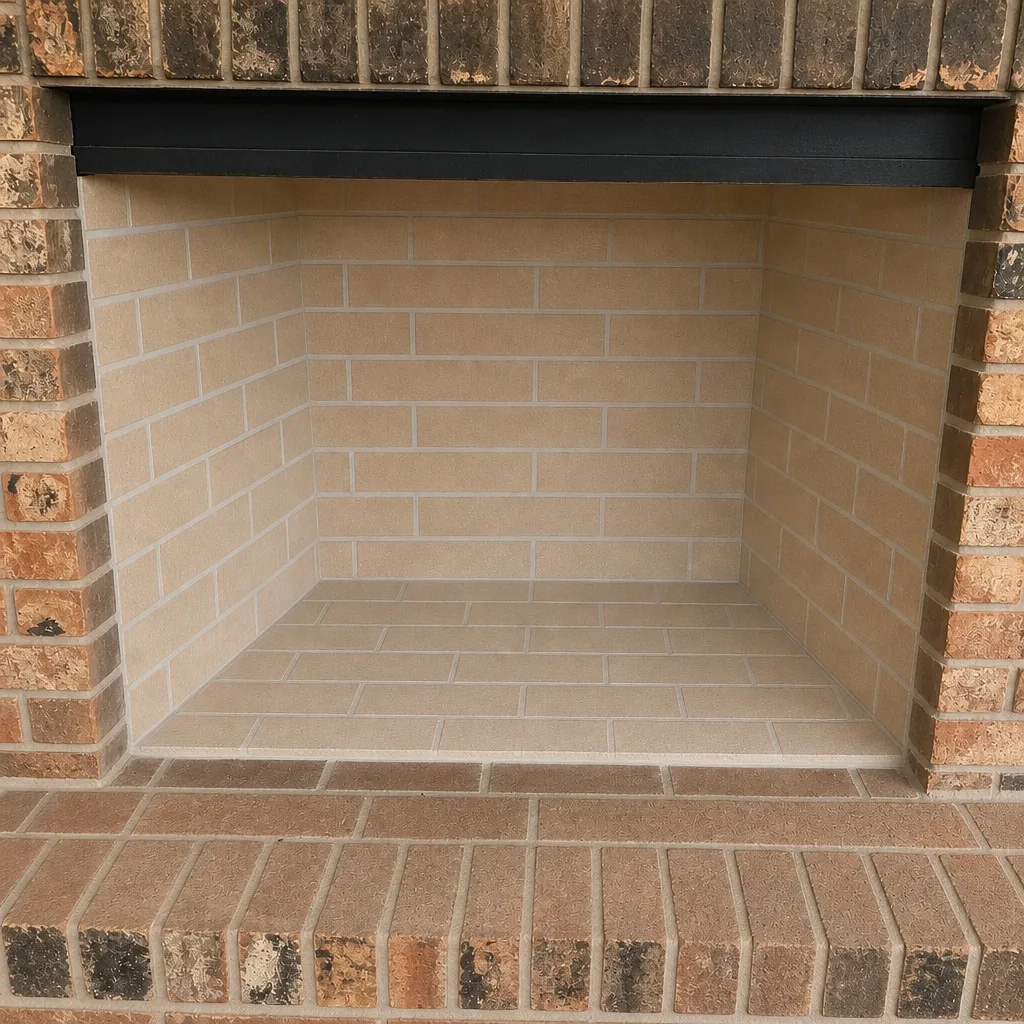 After
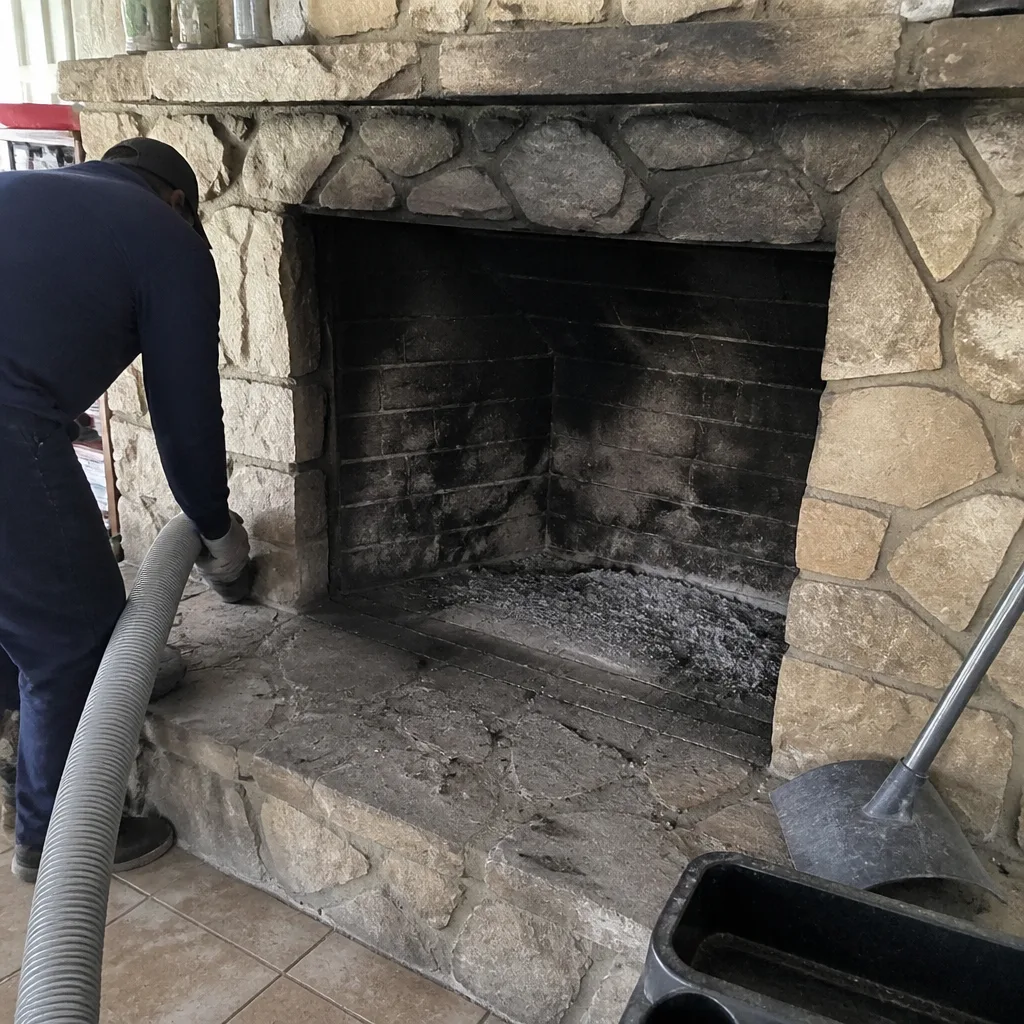 Before
 After
 Before
 After
When to Call a Professional
Call a professional for anything that affects safety or the structure of the chimney. That includes an annual pre-season sweep and inspection, any sign of liner damage such as spalling or efflorescence, a cracked or crumbling crown, a loose or missing cap, animal activity in the flue, and any water intrusion you can trace to the chimney. If you’ve never had the chimney inspected or you can’t remember the last sweep, that’s reason enough on its own. Chimney fires and carbon monoxide problems both start in conditions a homeowner can’t see, and an inspection is how you find them before they become dangerous. Chimney Sweep Miramar offers free estimates in Miramar. Call (866) 942-9444. We answer 24/7. Fast dispatch from 7am to 7pm, Sunday through Friday.
Frequently Asked Questions
Once a year is the standard for a chimney that sees regular use, and in Miramar the best time is October, before the burning window opens. If you burn frequently through the season, or you notice draft problems or heavy creosote, a mid-season check may be warranted. Call (866) 942-9444 for a free estimate and we’ll tell you honestly whether you need a sweep now or later.
Creosote builds up in the flue and becomes fuel for a chimney fire, and an uninspected chimney can hide a cracked liner or a blocked flue that lets carbon monoxide into the home. Skipping the annual sweep also means moisture damage during dormancy goes unnoticed until it’s a larger repair. Call (866) 942-9444 and we’ll get you on the calendar and show you what we find.
Only if the inspection actually finds a liner that’s cracked, spalling, or separated from the masonry, and we show you the evidence before recommending anything. A sound liner stays. When relining is needed, we install DuraFlex and Olympia Chimney systems, and when resurfacing is the right fix, HeatShield restoration is the route. Call (866) 942-9444 for a free estimate and an honest read on what your chimney needs.
A musty smell in the summer usually means moisture is getting into the flue or firebox, often through an open damper during the rainy season. It can also point to a nest or organic debris. Either way, it’s worth an inspection rather than a guess. Call (866) 942-9444 for a free estimate. We answer 24/7. Fast dispatch from 7am to 7pm, Sunday through Friday.
A properly fitted cap with a mesh screen is the best protection, and it’s the one permanent fix that stops animals from getting in at all. We stock and install Gelco and Famco caps, so it’s handled in one visit. If something’s in the flue now, don’t open the damper. Call (866) 942-9444. We answer 24/7. Fast dispatch from 7am to 7pm, Sunday through Friday.
The rainy season is the highest-risk period for liner and masonry damage, because moisture reaches the flue while it sits idle and can stay there for weeks. Storm season adds wear on the cap and crown. That’s why the annual inspection is best timed for October, when the flue has dried out and you still have time to fix anything found. Call (866) 942-9444 for a free estimate.
The Bottom Line
A Miramar chimney doesn’t need four seasons of care. It needs the right care at the right two moments: a sweep and inspection in October, before the burning window opens, and a proper close-out in late February or March, so the rainy season doesn’t work on an unprotected flue. Around those, a pre-storm check on the cap and crown, a watch for animal signs you can spot without opening the damper, and early attention to any spalling or efflorescence inside the firebox cover the whole year. One professional visit a year, timed correctly, is what keeps the chimney safe and the repairs small. Chimney Sweep Miramar handles sweeping, inspection, and repair under one roof, using professional-grade brands like DuraFlex, HeatShield, Gelco, and Famco. Call (866) 942-9444 for a free estimate. We answer 24/7. Fast dispatch from 7am to 7pm, Sunday through Friday.
Written by the team at Chimney Sweep Miramar.