
Last updated November 16, 2026
 Sweep & inspection
 Caps & crowns
 Flue relining
 Masonry repair
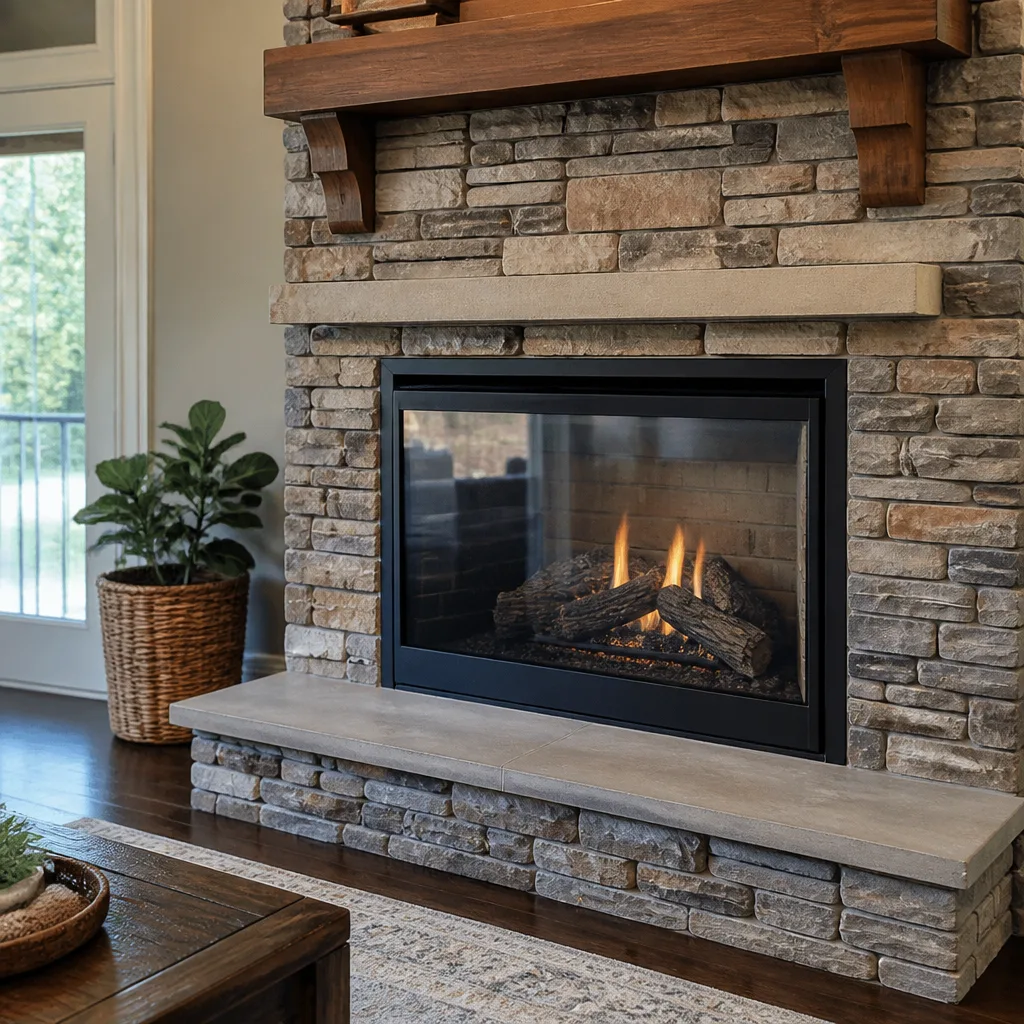 Gas fireplace service
Level 1 sweep and inspection to the NFPA 211 annual standard - flue, crown, cap, and flashing checked and photographed
Chimney sweep logs do not sweep chimneys. They loosen some creosote - which then falls where a brush and vacuum still have to collect it.
Chimney Cleaning Permits, Codes & Inspections in Miramar, FL: What You Need to Know
Here’s the part most homeowners don’t expect: the cleaning itself is exempt, but the repairs a cleaning often uncovers are not. A routine sweep in Miramar rarely needs a permit. Relining a flue, rebuilding a crown, or opening up a firebox crosses into regulated construction work governed by the Florida Building Code and Broward County permitting rules. We’ve seen the fallout from unpermitted chimney work surface years later, at resale, when a home inspection flags a code violation the seller has to fix before closing. This guide draws the line clearly: which chimney tasks are maintenance, which need a permit, what an inspection report actually documents, and what to keep in your home file. You’ll finish knowing exactly what questions to ask before anyone touches your flue.
Quick Answer
Routine chimney cleaning in Miramar does not require a permit. Structural chimney work – relining, crown replacement, firebox and masonry repair – typically does require a permit through Broward County, and should be done by a properly licensed contractor. A certified inspection (Level 1, 2, or 3) determines which category your chimney falls into and produces the documentation a lender, buyer, or insurer may ask for. When in doubt, ask your city’s building department and your sweep to confirm the scope in writing before work begins.
Styles & brands we work with
- Sweep & inspection
- Caps & crowns
- Flue relining
- Masonry repair
- Gas fireplace service
Table of Contents
- Maintenance vs. Regulated Work: Where the Line Falls
- What Florida Building Code Section 10 Covers
- Broward County Permit Thresholds for Chimney Work
- What a Level 2 Inspection Report Means in a Real Estate Transaction
- How to Verify Your Sweep Is Licensed for Repair and Reline Work
- What Documentation to Keep After Any Chimney Job
- How Miramar’s Climate and Burning Habits Affect Your Chimney
- Inspection Levels Explained: 1, 2, and 3
Maintenance vs. Regulated Work: Where the Line Falls
The simplest way to think about it: if you’re removing creosote and soot from a chimney that’s structurally sound, that’s maintenance. If you’re altering, replacing, or adding to the structure of the chimney, that’s construction, and construction is what permits govern. That distinction decides almost every other question on this page.
Maintenance work you can expect without a permit includes a standard chimney sweep, a Level 1 inspection, cap cleaning, and the removal of blockages like bird nests or leaf debris. None of these change the chimney’s structure or its relationship to the building envelope.
Regulated work is the category that catches homeowners off guard. It includes:
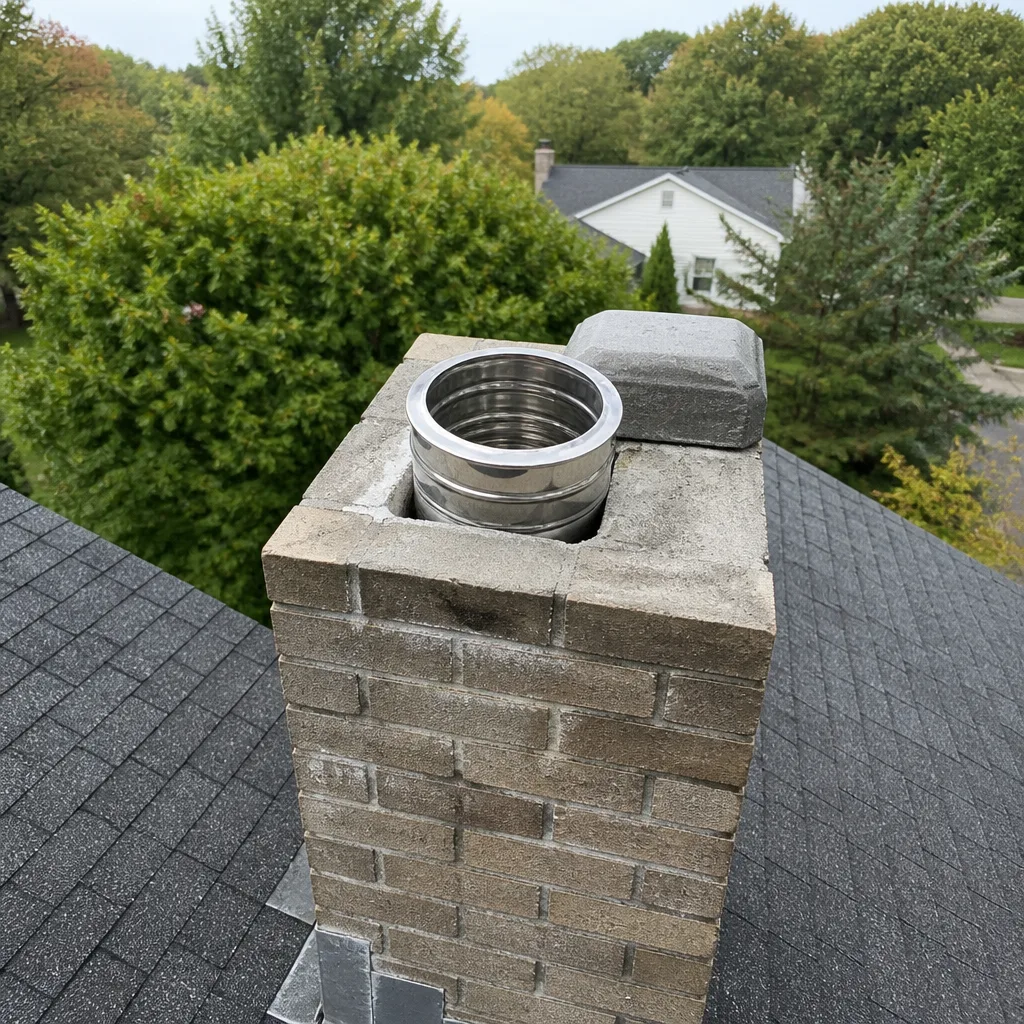
- Relining – installing a new flue liner or replacing a failed one, whether with a flexible stainless system or a cast-in-place ceramic product.
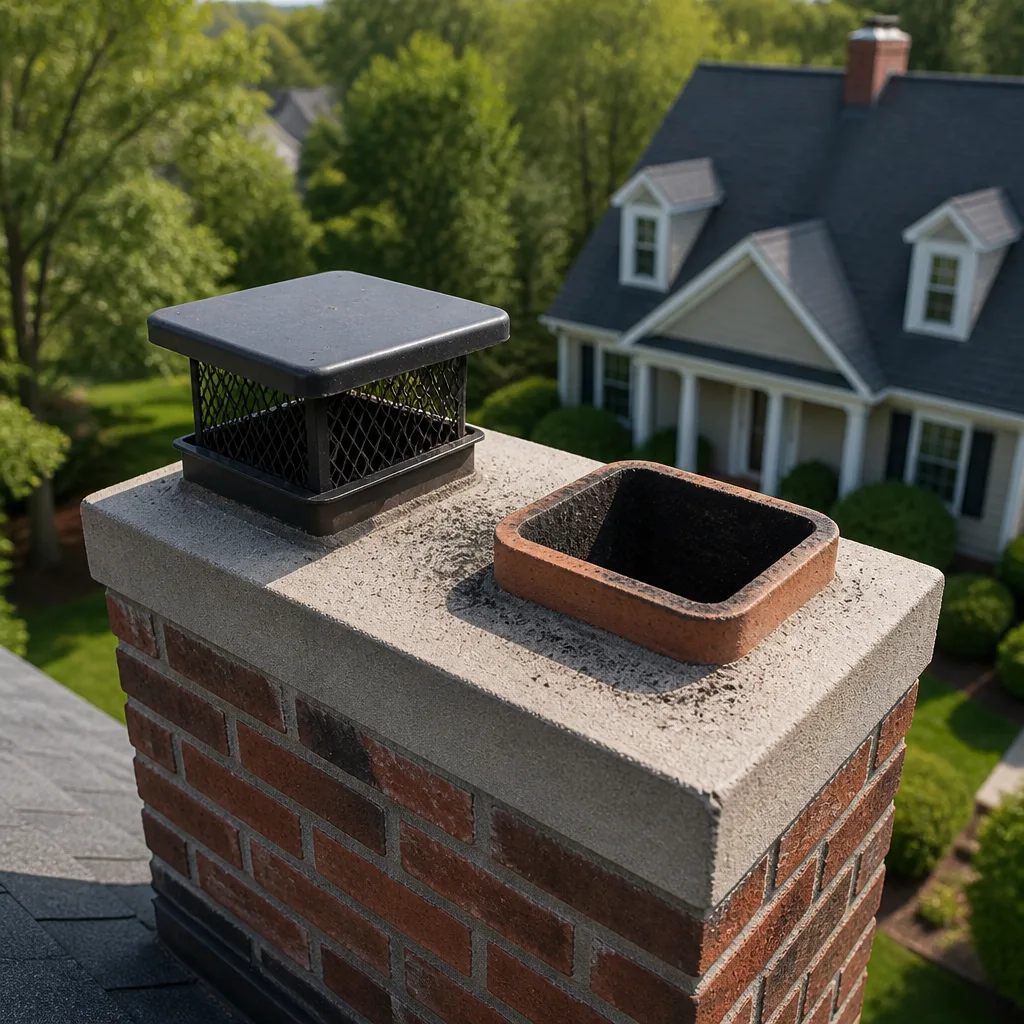
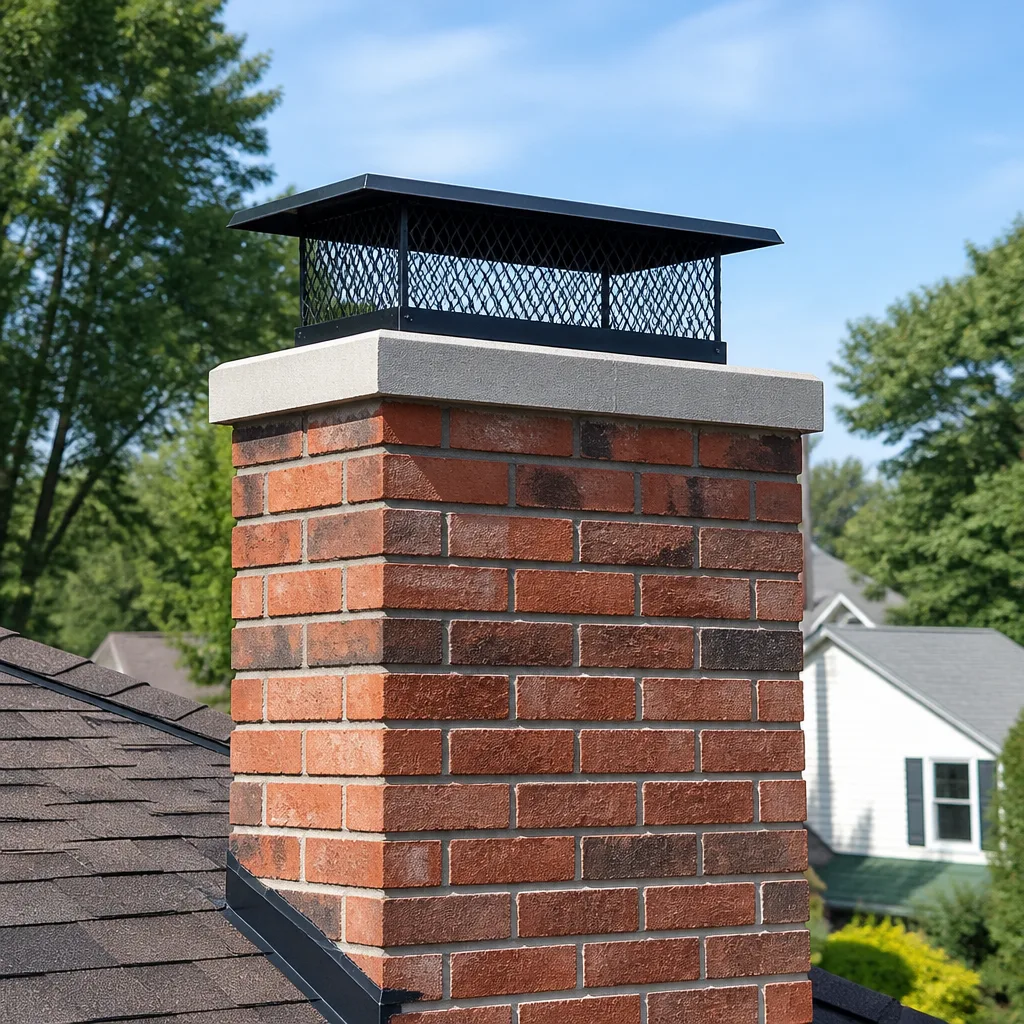
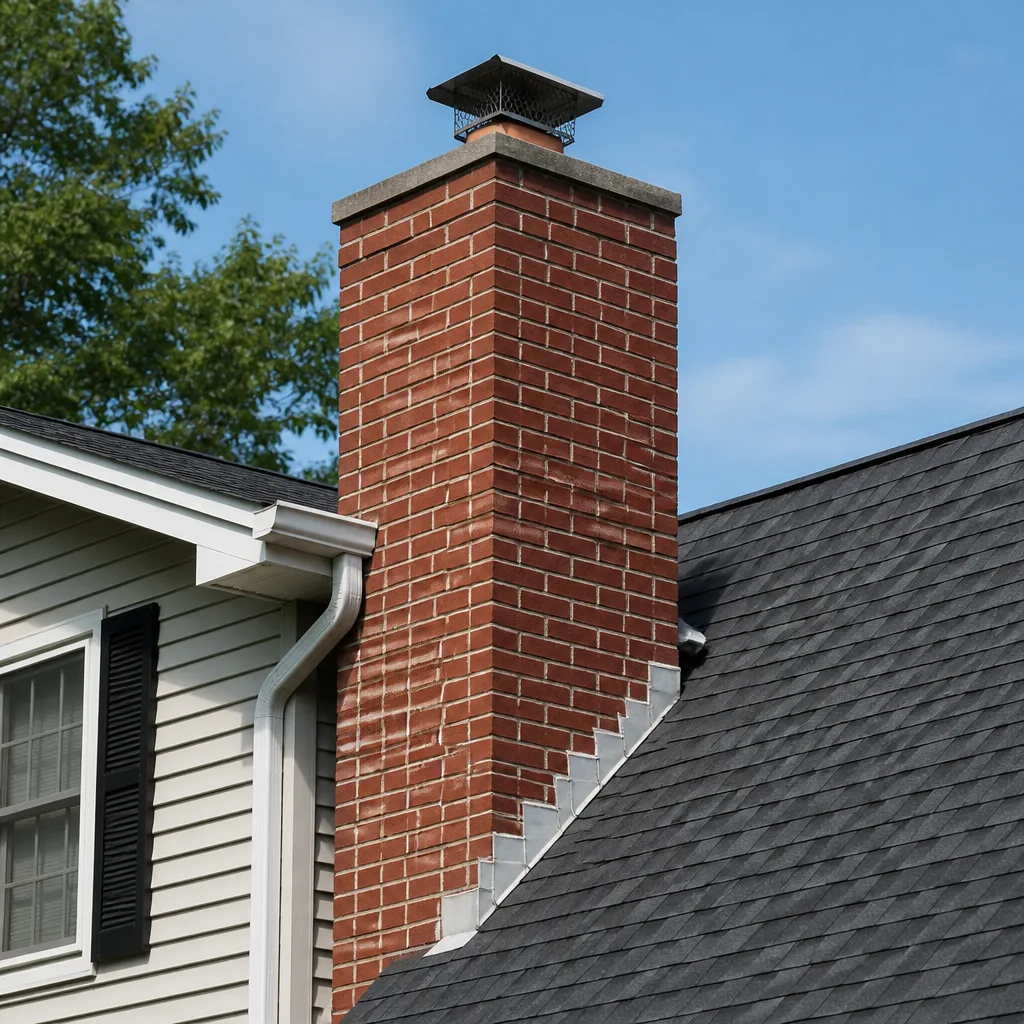
- Crown replacement or repair – the crown is the concrete or masonry cap at the top of the chimney that sheds water, so rebuilding it is structural masonry work.
- Firebox and masonry repair – rebuilding brickwork, repairing mortar joints, or resurfacing the firebox interior.
- Chimney height changes – extending or shortening a chimney stack.
- New appliance connections – adding a wood stove, insert, or gas appliance flue.
If a sweep recommends any of the second group, the job has shifted from maintenance into regulated construction. That’s not a reason to panic, it’s a reason to get the permit question answered before the first brick is touched.
What Florida Building Code Section 10 Covers
Florida Building Code Chapter 10 (Chimneys and Fireplaces) sets the technical standards for how chimneys and fireplaces are built, altered, and maintained in the state. It addresses chimney construction materials, height requirements relative to the roofline, clearance to combustibles, flue sizing, and the requirements for factory-built and masonry fireplaces. When a reline or rebuild is permitted, this chapter is the standard the work has to meet.
What matters for a Miramar homeowner is that Chapter 10 covers the structure itself, not the act of cleaning it. Sweeping a chimney is not a construction activity under the code. Rebuilding a chimney crown or installing a new liner is. That’s why a permit is triggered by the scope of the job and not by who shows up to do it.
A few practical implications of Chapter 10 that come up in Miramar homes:
- Flue liners must be listed and installed to the manufacturer’s instructions. That’s why professional-grade liner systems matter – an inspector checks the listing, not just the fit.
- Clearances to combustible framing around the chimney are specified, and they’re a frequent finding in older South Florida homes where framing has shifted or been modified.
- Chimney height requirements relative to the roof and nearby structures are set by the code, which affects draft and smoke spillage.
We can’t quote the code section numbers for every local scenario from memory, and you shouldn’t trust anyone who does. The point is that the standard exists and that permitted work is inspected against it. If a contractor tells you the code doesn’t apply to a reline, that’s a signal to find a different contractor.
Broward County Permit Thresholds for Chimney Work
Broward County’s permitting process is where the maintenance-versus-construction line gets enforced. In general terms, the county requires a permit when the work alters the structure of the chimney or its relationship to the building. Cleaning, inspection, and minor cap work typically fall below that threshold.
Here’s the working rule we use with homeowners in Miramar:
- Cleaning and inspection: no permit. A sweep and a Level 1 or Level 2 inspection are maintenance and diagnostics.
- Cap replacement or repair of a cap that’s simply worn: often no permit, but confirm with your city’s building department, because scope varies.
- Relining or liner replacement: permit required. This is structural work on the flue.
- Crown replacement or masonry rebuild: permit required. This is construction on the chimney structure.
- Firebox repair or resurfacing: permit required when the firebox is opened up or rebuilt; confirm the scope with the building department.
- Changing the height or footprint of the chimney: permit required.
The honest answer is that some scopes sit close to the line. A cap that’s cracked and needs replacement is one thing; a cap that has to come off because the crown beneath it is failing is another. When the scope is ambiguous, the safe move is a call to the building department and a written scope from the contractor. Ask your contractor to put the permit requirement in the estimate so there’s no surprise later.
If a repair is recommended, ask for a written scope and the permit plan before authorizing it. Our chimney repair estimates spell out both.
What a Level 2 Inspection Report Means in a Real Estate Transaction
A Level 2 inspection is the standard-of-care inspection for a real estate transaction, and it’s the report that ends up in home-inspection files and lender packets. A Level 2 inspection includes everything a Level 1 covers plus an examination of accessible areas of the chimney, including the attic and crawl spaces, and it’s typically documented with a camera inspection of the flue interior. The report is the record of the chimney’s condition at a point in time.
Why it matters at resale: lenders often require a documented inspection when a home has a wood-burning fireplace or a fuel-burning appliance connected to a flue, and a buyer’s home inspector will flag a chimney that shows signs of unpermitted alterations. An unpermitted reline or crown replacement can be treated as a code violation the seller must remediate before closing. That’s the scenario we want Miramar homeowners to avoid, and it’s why documentation is the whole game.
What a Level 2 report should contain:
- The method used (visual plus camera) and the areas inspected.
- Photos or video of the flue interior and any defects.
- Findings organized by category: structural, safety, and maintenance.
- A clear statement of what needs repair, what can wait, and what requires a permit.
If a report recommends thousands of dollars of liner or masonry work, the report should show you the evidence. On any inspection we perform, the camera photos are part of the record and you see them. Nothing gets recommended without evidence you can see for yourself.
How to Verify Your Sweep Is Licensed for Repair and Reline Work
Cleaning a chimney and relining one require different qualifications, and that distinction is the thing to check before you hire. A person with a brush and a shop vac can sweep a flue. Relining, crown work, and firebox repair are construction activities, and they should be performed by a contractor who holds the appropriate state or county license for that scope of work.
How to check, step by step:
- Ask for the license number in writing on the estimate, not just on a business card.
- Verify the license through the state or county licensing database, and confirm the license covers the scope of work you’re asking for, not just general cleaning.
- Ask whether the repair scope requires a permit and who pulls it. If the answer is “no permit needed” for a reline or crown replacement, get a second opinion.
- Ask for evidence of insurance and confirm it’s current.
- Ask what brand of liner or restoration system will be used so you know the product is listed and appropriate for the application.
We work with professional-grade systems – DuraFlex and Olympia Chimney for flexible relining, HeatShield ceramic resurfacing for flue restoration, and Gelco and Famco for venting and caps – and we’ll tell you exactly which one fits your flue and why. But the license and permit question comes first, before any material discussion. A great liner installed by an unlicensed contractor under an unpermitted scope is still a problem at resale.
What Documentation to Keep After Any Chimney Job
Most homeowners keep nothing, then can’t produce records when a buyer or lender asks. The fix is simple: after every chimney job, keep a small file. Here’s what to hold onto and what to expect to pull from county records.
Keep in your home file:
- The inspection report, including camera photos or video of the flue interior.
- The written estimate and final invoice for any repair, with the scope described.
- Product documentation for any liner, cap, or restoration system installed – the brand and model, along with the manufacturer’s literature.
- Any warranty paperwork for the installed materials.
- Notes on when the work was done and by whom, including the license number used.
Pull from county records when you need them:
- The permit application and the final inspection record for permitted work. These live with Broward County and can be requested when a buyer or lender asks.
- Any record of prior work on the property that predates your ownership.
The permit record is the strongest evidence that regulated work was done legally. If you had a reline or crown replacement permitted, keep the permit number in your file so you can point to it later. If the work was done before you owned the home and you can’t find a permit, that’s a question to raise with your real estate agent before listing, not after.
How Miramar’s Climate and Burning Habits Affect Your Chimney
Miramar winters are mild, which means fireplaces here get used in bursts rather than continuously through a long heating season. That pattern matters for how creosote builds. A chimney that fires up for a few evenings and then sits idle for weeks can accumulate glazed, tougher creosote than one in continuous use, because the intermittent heating doesn’t always burn hot enough to keep deposits dry and flaky. Cooler evenings in Miramar are when the fireplace sees most of its action, and short, smoky burns are exactly what leaves the stickiest residue.
Three local factors shape what we find inside Miramar flues:
- Intermittent burning. Short fires and frequent cold starts produce more creosote per cord of wood burned. Sweeping on a seasonal schedule, before the first cool-weather burn, catches it early.
- Humidity and rain intrusion. South Florida’s wet season drives moisture against the chimney top. A failing crown or a missing cap lets water into the flue, which rusts liners and degrades masonry. Caps and crowns are the first line of defense here.
- Draft in a humid climate. A warm, humid evening can make a cold chimney slow to establish draft, and smoke spillage is more noticeable. A proper cap and correct flue height help; if smoke spills consistently, it’s a sign to have the flue checked.
What this means for the permit question: the work driven by climate here is mostly structural – a crown that cracked over a wet season, a cap that came loose, a liner that rusted from moisture intrusion. Those are the repairs that require permits. The cleaning side stays maintenance, but it’s the cleaning that catches the structural problems before they become expensive.
Inspection Levels Explained: 1, 2, and 3
Not every inspection is the same, and the level you need depends on what you’re trying to find out. The three levels build on each other.
- Level 1 inspection. A visual examination of the readily accessible portions of the chimney and flue, done during a routine sweep. It’s appropriate when the chimney has been in continuous service without a change in appliance, fuel, or condition. This is the annual check.
- Level 2 inspection. Everything in a Level 1 plus accessible attic and crawl space areas and a camera inspection of the flue interior. It’s the standard for a real estate transaction, after a chimney fire, after an earthquake or other event that may have damaged the chimney, or when a change in fuel or appliance is planned. The report is documented with photos or video.
- Level 3 inspection. A Level 2 plus the removal of parts of the chimney or building to access concealed areas, done when a Level 2 identifies a concern that can’t be resolved otherwise. Level 3 work is diagnostic and may itself require a permit if it involves opening up structure.
In Miramar, most homes need a Level 1 annually and a Level 2 when they sell or when something changes. If you’re buying or selling a home in Miramar and the chimney hasn’t been documented, a Level 2 inspection gives you a record your lender and buyer can rely on. That report is also the document that shows whether any prior repair was done legally and to code.
Common Mistakes to Avoid
- Treating a reline like a cleaning. A homeowner hires a sweep for a cleaning, gets a reline recommended, and lets it proceed without asking about permits. That’s how unpermitted structural work ends up in a home’s history and surfaces at resale. Ask about the permit before the work starts.
- Trusting a repair recommendation with no evidence. If someone tells you the liner has failed and needs replacing, ask to see the camera footage. A recommendation without a photo you can inspect is a recommendation you can’t verify. Nothing should be recommended without evidence you can see.
- Hiring a general handyman for structural chimney work. HeatShield ceramic resurfacing and listed liner systems are installation-specific products that general contractors rarely work with, and the installation instructions are part of what the code checks. The right material installed the wrong way fails inspection.
- Skipping the permit to save time. In Broward County, an unpermitted reline or crown replacement shows up on a home inspection as a code violation the seller must remediate before closing. The permit record is easier to obtain up front than to reconstruct later.
- Not keeping the inspection report. Homeowners who got a Level 2 inspection two years ago often can’t find the report when they list. Keep the report and the camera photos in your home file from day one.
- Ignoring a missing or damaged cap after the wet season. A loose cap lets rain into the flue, which rusts liners and softens masonry over time. The fix is small; the damage it prevents is not.
- Burning damp or green wood in a mild climate. Intermittent, smoky burns in Miramar’s mild winters leave the heaviest creosote. Seasoned wood and a hot fire reduce the load the sweep has to remove.
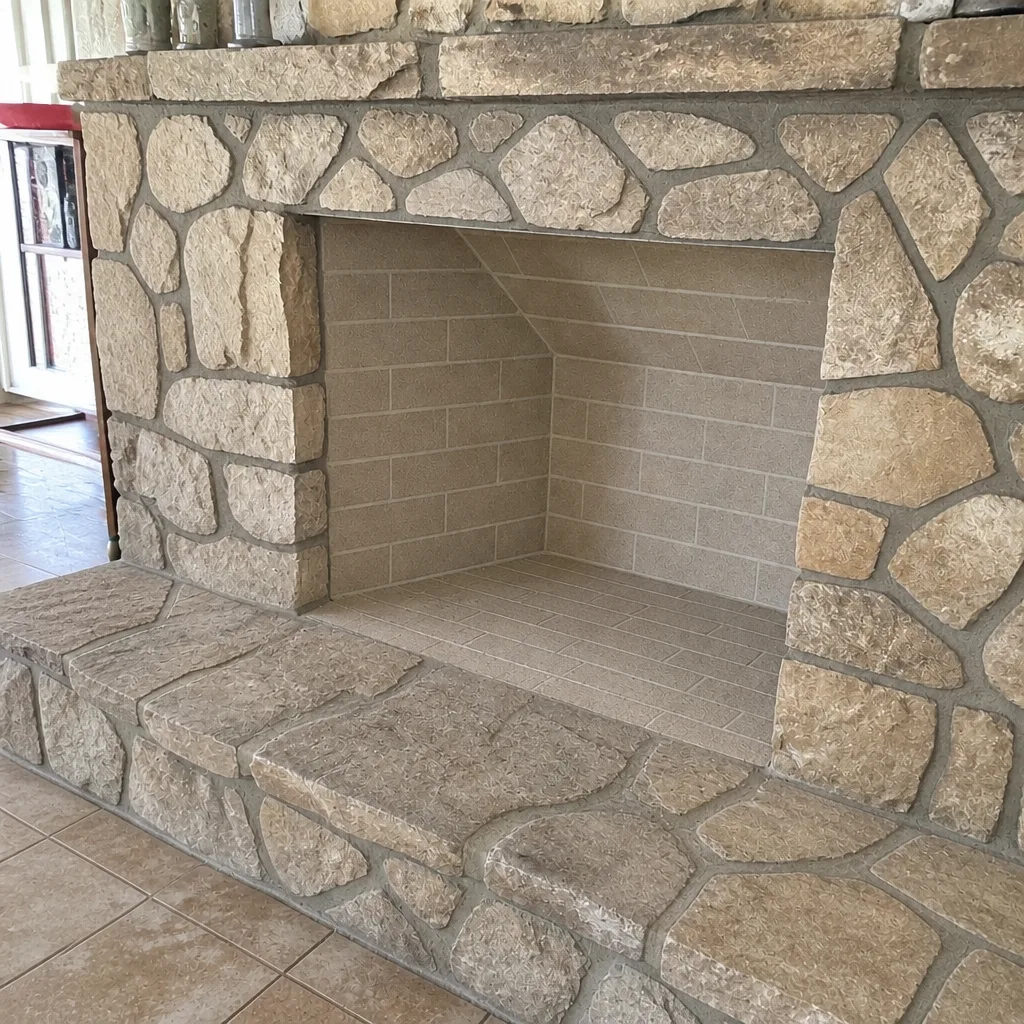
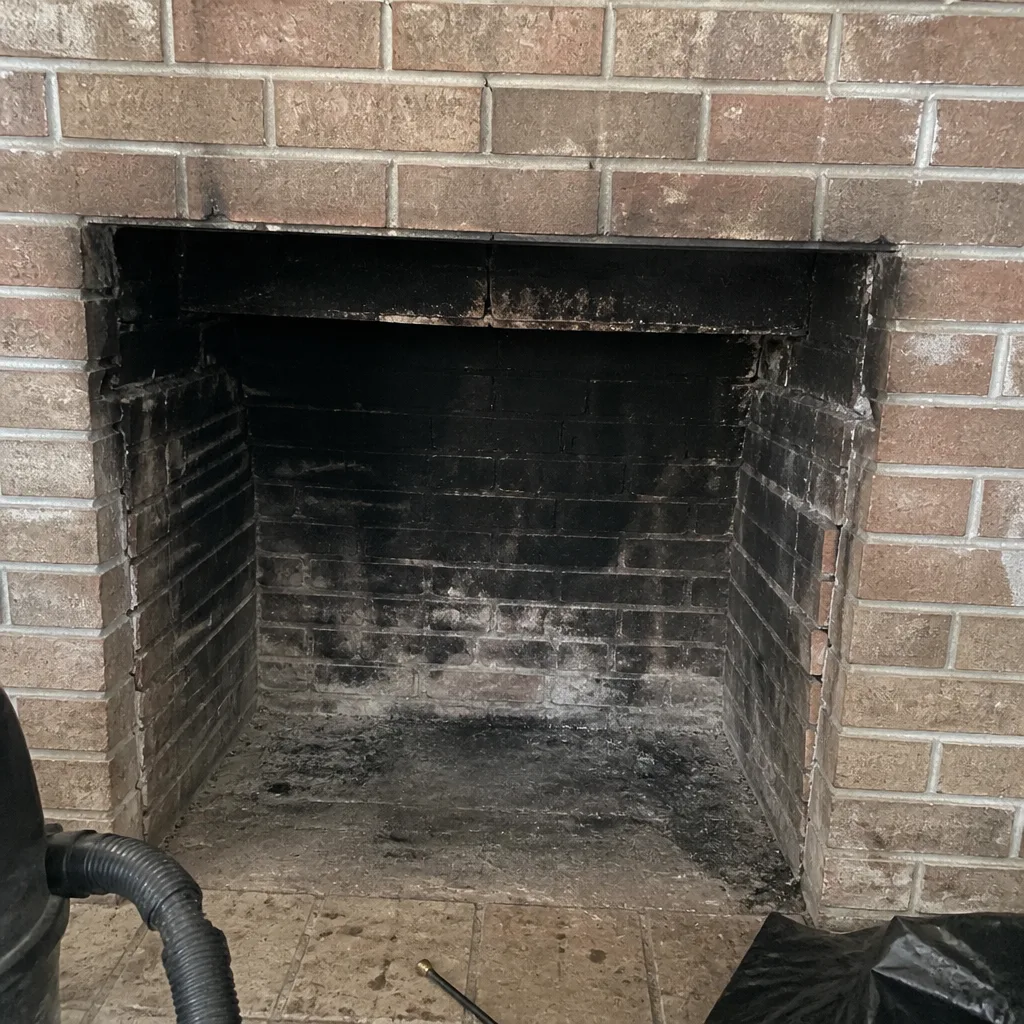
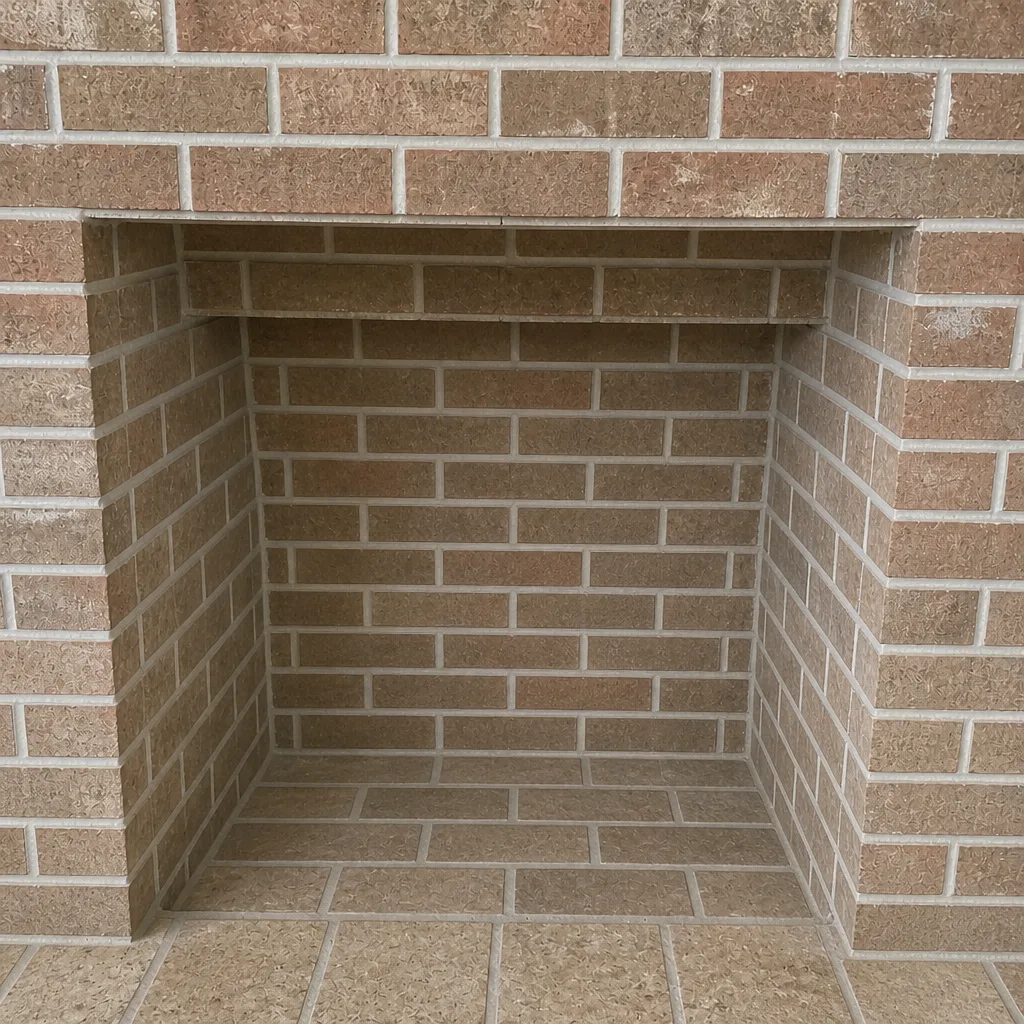
See the difference
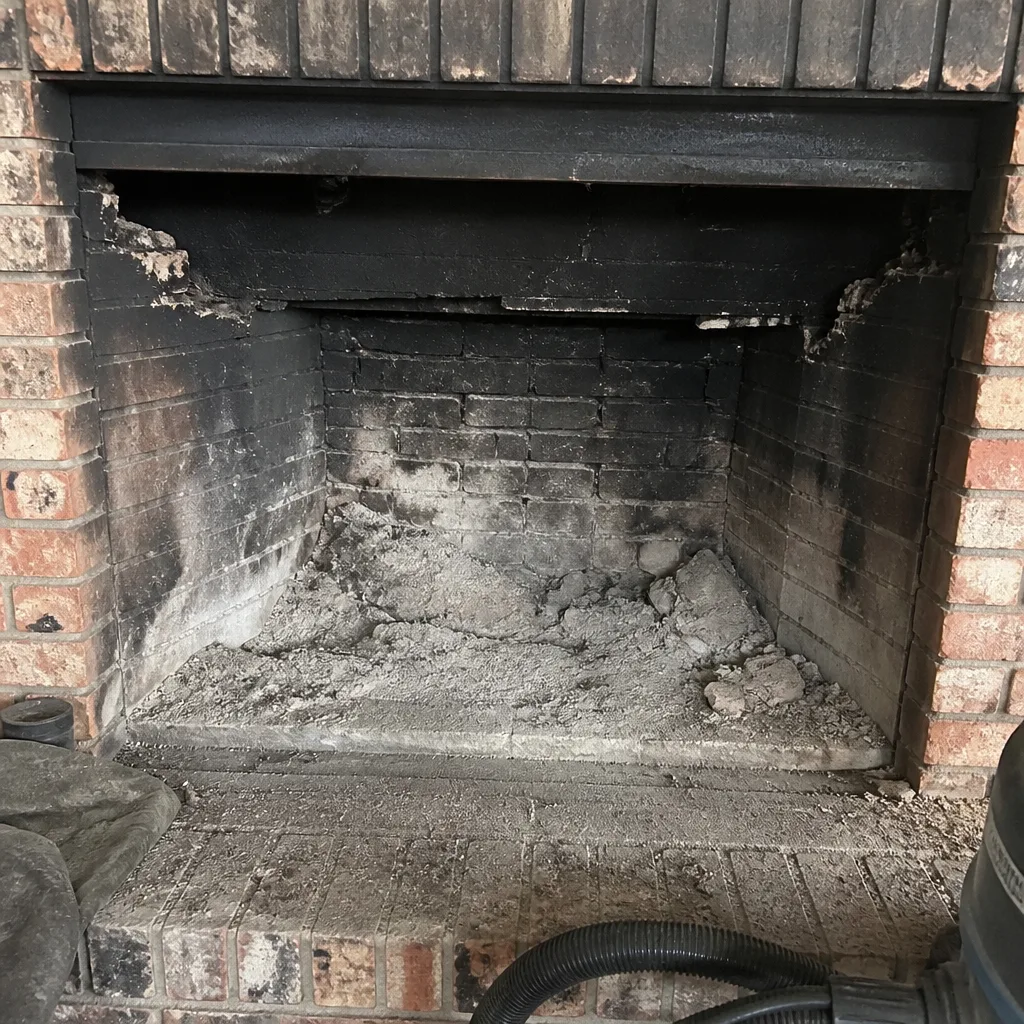 Before
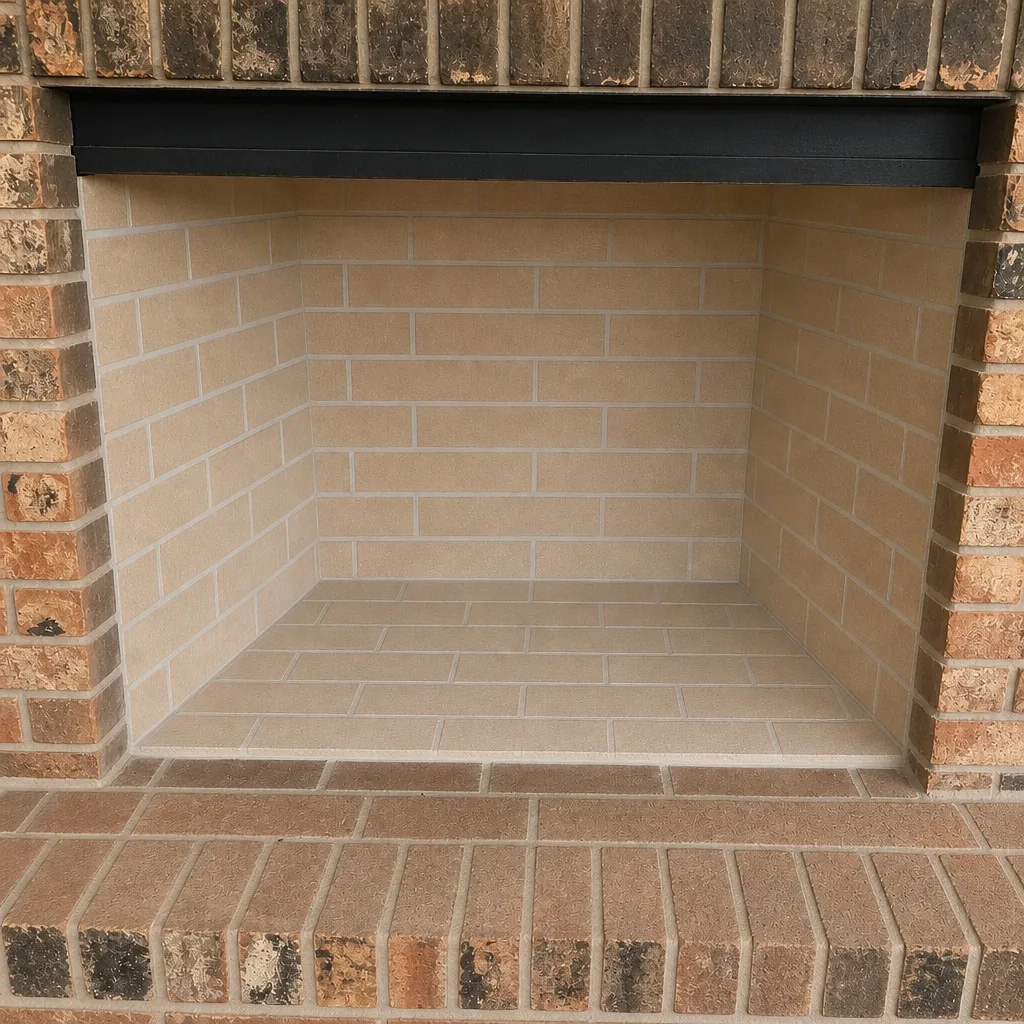 After
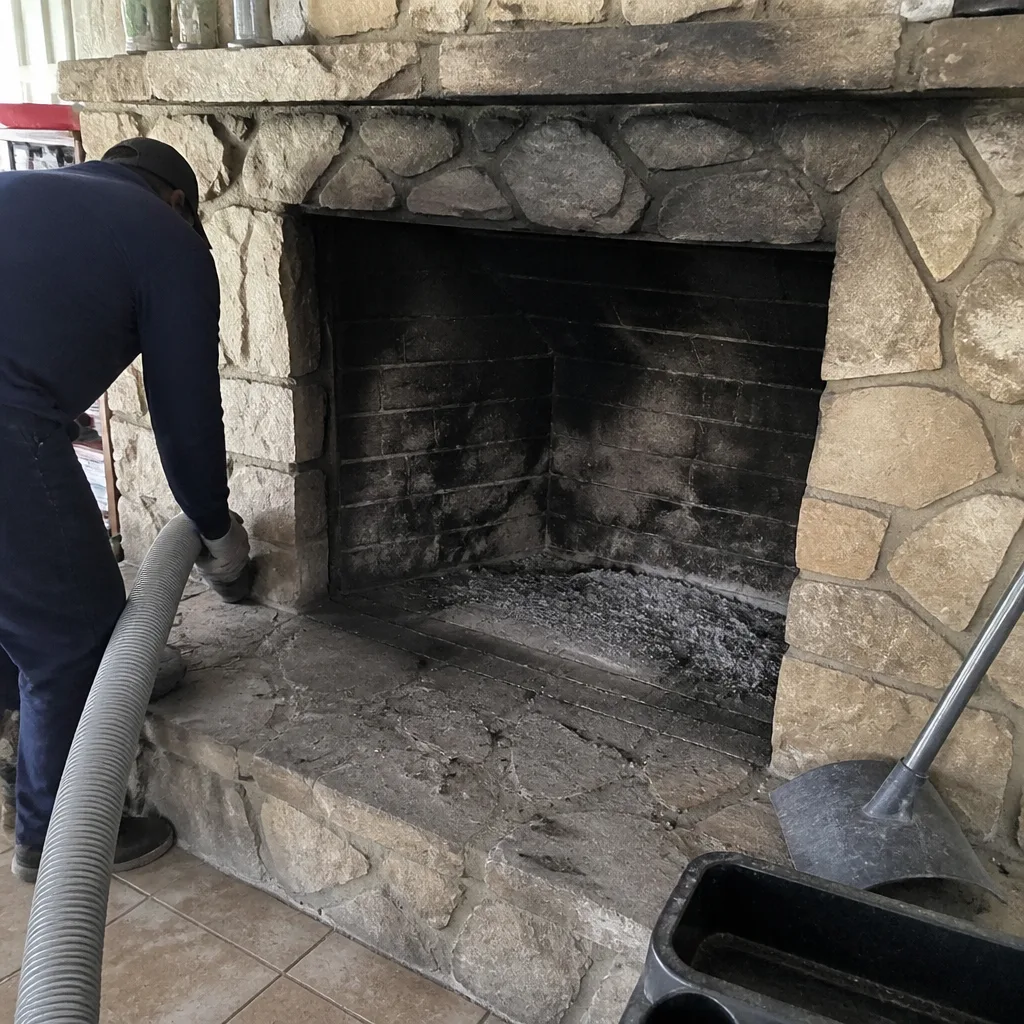 Before
 After
 Before
 After
When to Call a Professional
Call a professional when you can’t remember the last time the chimney was swept, when smoke spills into the room on start-up, when you smell a strong creosote odor during warm weather, or when you see cracked masonry or a damaged crown from the ground. Call before you list a home in Miramar if the chimney has no documentation, and call before authorizing any repair that a sweep recommends so you can confirm the permit and license situation. If a flue needs relining or a firebox needs rebuilding, that’s structural electrical-adjacent work involving heat and combustion byproducts, and it should be handled by a licensed professional, not attempted as a do-it-yourself project. Chimney Sweep Miramar offers free estimates in Miramar – call (866) 942-9444. We answer 24/7. Fast dispatch from 7am to 7pm, Sunday through Friday.
Frequently Asked Questions
No. Routine chimney cleaning in Miramar is maintenance and does not require a permit. A standard sweep and a Level 1 inspection fall below the permitting threshold. A permit becomes necessary when the scope includes structural work like relining, crown replacement, or firebox rebuilding. Call (866) 942-9444 for an exact quote – estimates are free.
Yes, in general terms. Relining is structural work on the flue, and Broward County’s permitting process typically requires a permit for it, with the work inspected against the Florida Building Code. The permit requirement should be stated in your written estimate. Confirm the scope with your city’s building department before work begins. Call (866) 942-9444 for an exact quote – estimates are free.
A Level 1 inspection is a visual examination of the readily accessible chimney and flue, done during a routine sweep. A Level 2 inspection adds accessible attic and crawl space areas and a camera inspection of the flue interior, and it’s the report typically required for a real estate transaction. If you’re buying or selling a home in Miramar, a Level 2 is the documented record a lender or buyer will ask for. Call (866) 942-9444 for an exact quote – estimates are free.
Once a year is the working standard for a wood-burning fireplace, and in Miramar the best time is before the cool-weather burning season. Chimneys that see heavy or intermittent use may need more frequent sweeping, and one that hasn’t been used in years should be inspected before the first fire. If you’re not sure when it was last swept, schedule a sweep and inspection. Call (866) 942-9444 for an exact quote – estimates are free.
Yes, potentially. Unpermitted structural work like a reline or crown replacement can show up as a code violation during a home inspection, and the seller may be required to remediate before closing. The permit record is the strongest evidence the work was done legally, which is why keeping it in your home file matters. If you’re unsure whether prior work was permitted, a Level 2 inspection and a records check will clarify it. Call (866) 942-9444 for an exact quote – estimates are free.
You can, but a cleaning alone won’t tell you whether the flue is sound, and the condition of the flue is what decides whether the chimney is safe to use. Cleaning and inspection are different jobs with different purposes; a sweep that doesn’t document what it found leaves you without a record. Ask for the inspection findings in writing, with camera photos where the flue interior is concerned. Call (866) 942-9444 for an exact quote – estimates are free.
The Bottom Line
Chimney cleaning in Miramar is maintenance and doesn’t need a permit. Relining, crown replacement, and firebox repair are regulated construction that does need one, and the work should be done by a licensed contractor. A Level 2 inspection is the documented record a lender or buyer will ask for, so keep the report, the camera photos, and the permit number in your home file. Verify the license and the permit before any repair starts, and ask to see the evidence behind any recommendation. If you’re ready to schedule a sweep, an inspection, or a repair estimate, call Chimney Sweep Miramar at (866) 942-9444 – estimates are free. We answer 24/7. Fast dispatch from 7am to 7pm, Sunday through Friday.
Written by the team at Chimney Sweep Miramar.